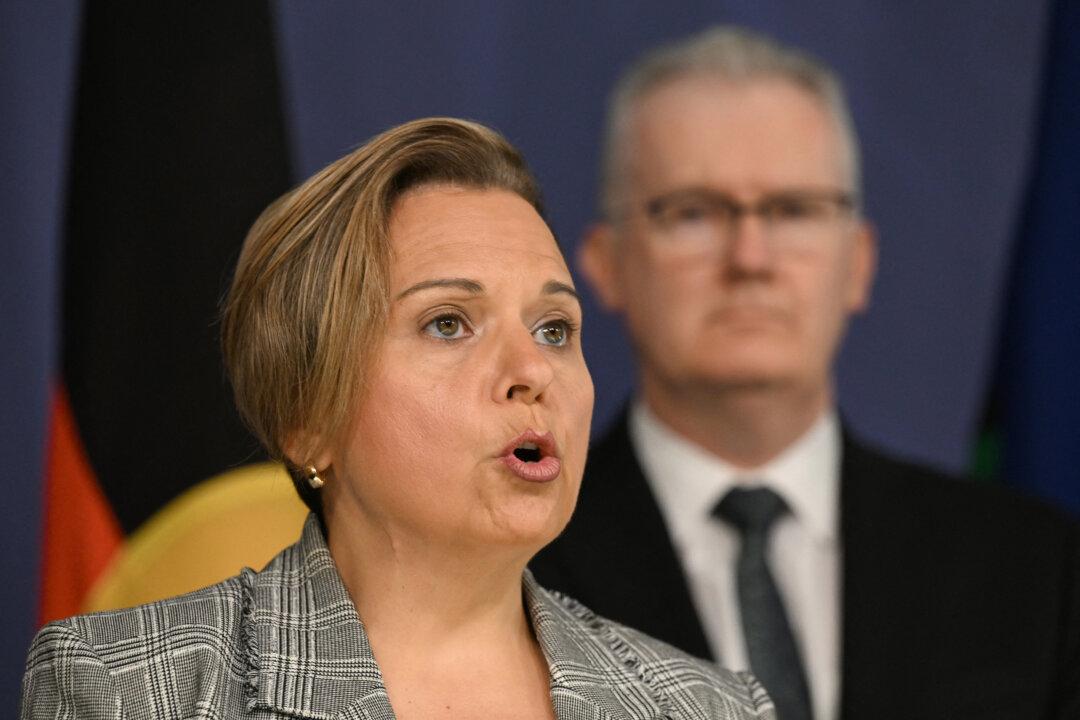
Home Affairs Minister Tony Burke has called for an honest, fact-based national conversation on migration, warning that “dog-whistle politics” has no place in modern Australia.
Speaking at the National Press Club on Oct. 16, Burke outlined his position on several issues that have confronted the minister in recent weeks including the Coalition’s internal division on migration, Burke’s decision to personally welcome Palestinian refugee arrivals, and cancelling visas for high profile conservatives.
“I’m very conscious that an argument about immigration can be had in a civil way,” he said. “But it is impossible to have a civil and decent argument about immigration in a fact-free way.”
He added, “I think it’s fair to say the days of dog-whistle politics are well and truly over. Everybody hears them. It’s no longer a dog whistle—it’s now a set of bagpipes that you can hear from the other side of the hill.”
Burke’s comments come in response to comments from Pauline Hanson’s One Nation and several Liberal Party conservatives, including Jacinta Nampijinpa Price and Andrew Hastie, calling for a freeze on migration numbers.
Housing Burden Now on Universities
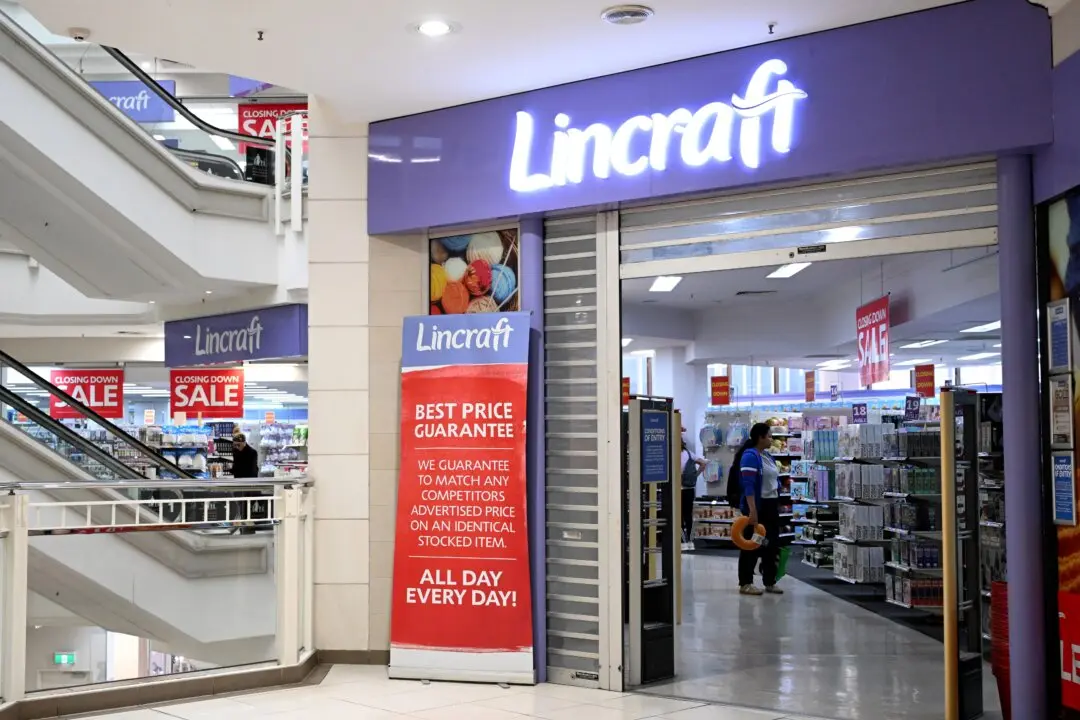
Burke said the government was already working on one of the biggest pressure points: international student housing.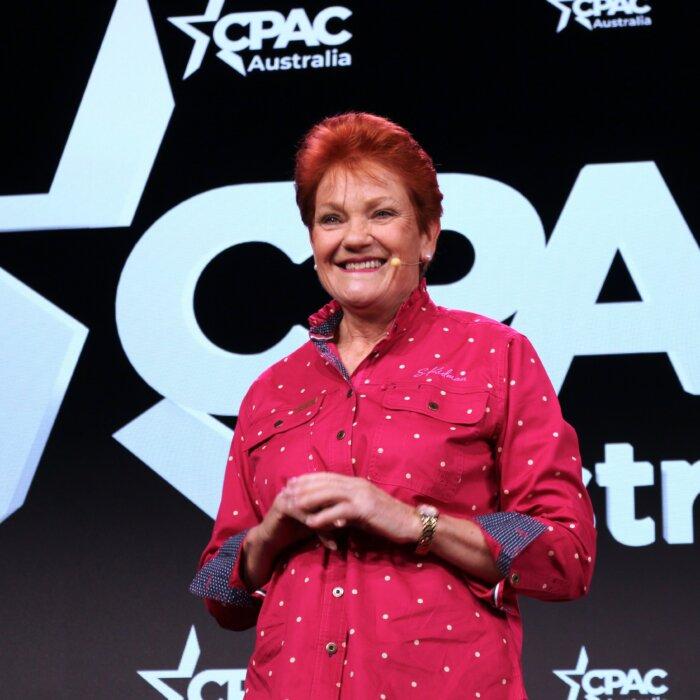
“International education is a really important industry for Australia, but one of the only industries where you need to provide a new home for every customer,” he said.
He said universities can no longer rely solely on the rental market to house international students.
Under new rules, institutions that build more student housing will be allowed to enrol more students.
Burke said the policy had already helped reduce net overseas migration by 40 percent.
‘Where Will You Cut?’
Burke challenged the Coalition to identify specific categories they would trim.“A huge portion of the permanent migration numbers go to people who are already here,” he said. “Who move from temporary visas to permanent visas [and] have no impact on net overseas migration.”
He noted that many others were partner visas with little housing impact: “They’re not just in the same house—they’re in the same room.”
Burke said cutting migration further would hurt essential sectors, noting 21,000 visas were issued for health care, 4,300 for teachers, and over 15,000 for construction. He challenged critics to say which hospitals, schools, or housing projects they’d sacrifice.
Visa Cancellations and Candace Owens
Burke, who has faced scrutiny over visa bans on several pro-Israel speakers and, most recently, U.S. right-leaning commentator Candace Owens, defended his approach.“When you’re given advice from national security agencies or intelligence agencies that a visa should be cancelled … when they advise to cancel, you cancel. You always act on the side of caution,” he said.
Owens lost an appeal to Australia’s apex court, the High Court, which upheld the government’s decision, ruling she could “incite discord” among communities.
A Message of Welcome to Palestinians
Burke, who was criticised for greeting Palestinian refugees at Sydney Airport, defended his decision by sharing their story.He said he met a mother and daughter who had spent 18 months hiding in a church in Gaza, caught between Hamas and Israeli gunfire.
“When I heard they had found their way out and were coming to Sydney, I knew they had spent 18 months in fear,” he said. “I was really pleased to be a minister in the sort of country where I could meet them at the airport and say, ‘You’re welcome here. You’re safe.’”
Burke said such gestures—large and small—reinforced Australia’s social cohesion and identity.
“Modern Australia and multicultural Australia are the same thing,” he said. “Part of loving Australia is loving who we are and who we have become.”