Public servants and government contractors have been ordered not to disclose—or even hint at—their security clearances online, under a new directive from the Department of Home Affairs amid rising concerns about foreign espionage.
The rule applies to everyone with a security clearance, including contractors, and prohibits people from disclosing their security clearances or classified work on social media or job platforms.
Officials say such disclosures make individuals and their departments more vulnerable to targeting by foreign powers.
Home Affairs Secretary Stephanie Foster issued the directive, Protective Security Policy Framework (PSPF) Direction 003-2025: Online Disclosure of Security Clearance and National Security Information, on Oct. 7.
“The Direction applies to all government and non-government holders of security clearances, including contractors,” a Home Affairs spokesperson confirmed to The Epoch Times.
Response to Espionage Risks
The directive follows mounting concern from intelligence agencies about public servants disclosing details of their access to classified information on social media and employment sites such as LinkedIn.
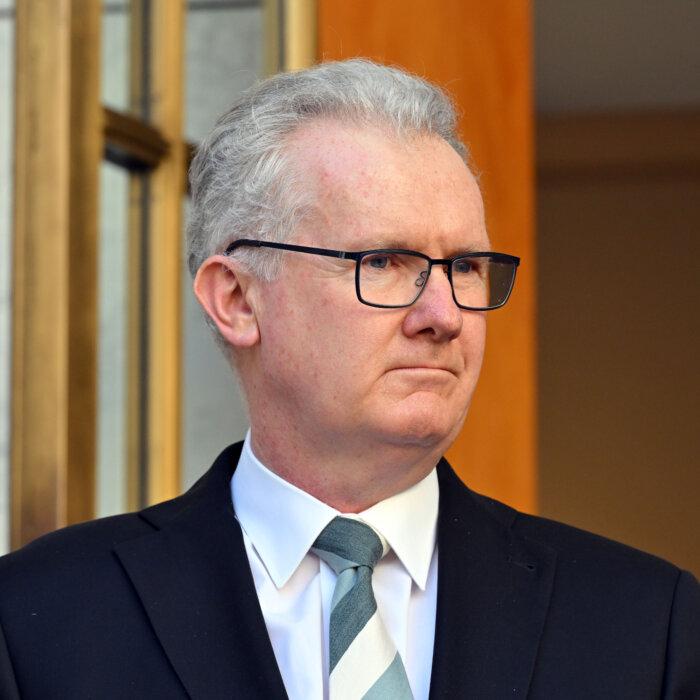
In August, Home Affairs Minister Tony Burke said the number of people publicly declaring their security clearance had dropped by 85 percent, but the issue remained a significant security risk.
“I get that people on their profiles want to make themselves as employable as possible for the next job,” Burke told ABC Radio. “But the best way to show that you are worthy of future work is to be worthy of helping keep secrets.”
He said holding a clearance would now require individuals to refrain from advertising it online.
“That means you just must not be putting that sort of stuff up on social media,” he said.
ASIO Warns of Targeting by Foreign Agents
Two days later, ASIO Director-General Mike Burgess issued a similar warning, revealing that more than 35,000 Australians on one professional networking platform had indicated they had access to classified or sensitive information, with almost 2,500 of them specifically claiming to hold a security clearance.Burgess stated that intelligence services were observing an increase in attempts by hostile actors to exploit this information.