With the war in the Middle East squeezing worldwide supplies of fuel and fertilizer, Canadians can expect food inflation to remain elevated for the rest of 2026.
Iran’s virtual closure of the Strait of Hormuz has impacted nearly 20 percent of global energy and 30 percent of global fertilizer exports, right as planting season is about to begin for many countries. Higher prices for oil, diesel, and fertilizers will put further pressure on the price of food in Canada, which was already projected to rise steadily in 2026.
Charlebois said his models have shown that for Canadians this year, every 25 percent increase in oil prices above $55 a barrel results in an additional $150 to $200 in costs for the average family of four. With oil prices currently at around $100, Charlebois said the family would spend an additional $400 to $600 on food in 2026.
The impact on food inflation is expected to be uneven, with the prices of energy-intensive and import-dependent foods rising the fastest. The eastern provinces, which are more dependent on energy and fertilizer imports from other countries, could also see larger price increases than the western provinces.
According to Charlebois, products that need refrigeration, such as dairy, meat, produce, and seafood, are likely to see the largest food increases. However, he said this increase has not yet taken into account the added shock from rising fertilizer prices. This, he said, could become a “double-whammy down the road.”
“If markets start to believe that yields will be impacted by the fact that farmers didn’t invest as much in fertilizers in the spring because of prices, … input costs will actually be impacted and eventually result in more food inflation,” he said.
Michael von Massow, a food, agricultural, and resource economics professor at the University of Guelph, said that in the short term Canadians will likely see the highest price increases for foods that are “heavily transportation-dependent,” such as imported fruits and vegetables. The shock from energy and fertilizer shortages could raise food prices even further over the next year.
Al Mussell, research lead at Agri-Food Economic Systems, said the price of fruits and vegetables will rise the most, as Canada is only just emerging from the winter season. He said food items that Canada does not produce locally and that must be transported over long distances, such as bananas, pineapples, and coffee, could lead the price increases.
“For your higher-end luxury foods, you’ll need to cut back on the cognac and caviar and stuff like that. But for [food] staples, I think Canada is pretty resilient,” he added.
Fertilizer Availability
Iran’s near-total closure of the Strait of Hormuz means that around 20 percent to 30 percent of global fertilizer trade is unable to reach its destination. Gulf countries produce significant amounts of nitrogenous fertilizers, which come from natural gas burned at high temperatures.Additionally, the Gulf countries produce around 20 percent of phosphate fertilizers, created from mining phosphorus. Phosphate fertilizer producers also need sulfur to turn phosphate rock into liquid form, and approximately 45 percent of global sulfur trade is impacted by the disruptions caused by the conflict.

Mussell said that unlike other commodities that are “hedged products,” which means their price can adjust in real time via financial markets, farmers who have secured fertilizers have that pricing locked in. He said many farmers who have already secured supply for the planting season are thus shielded from immediate price spikes, limiting short-term price pressure on Canadian foods.
Von Massow noted that Canada’s western provinces produce their own fertilizer and export it to the United States, but the eastern provinces import their fertilizer from elsewhere. While this supply structure is economically efficient, he said, it could mean higher costs for farmers in eastern Canada.
Diesel Prices and Food Increases
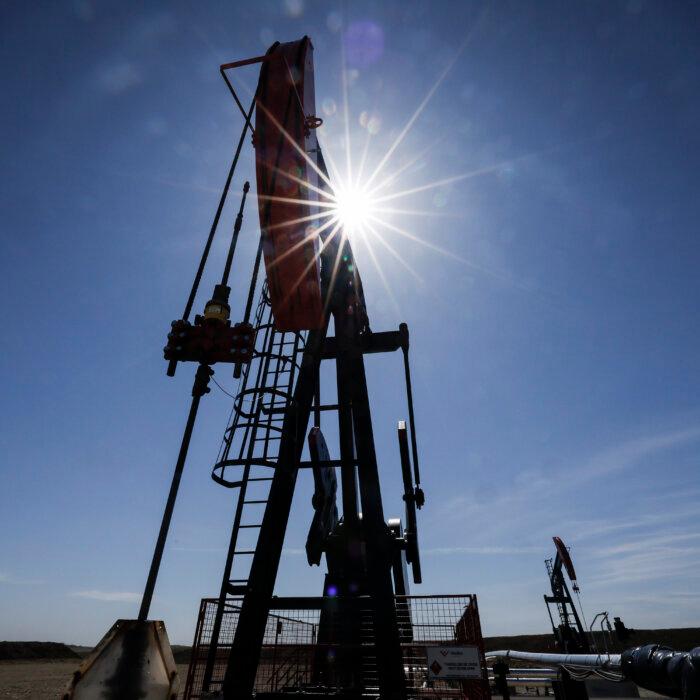
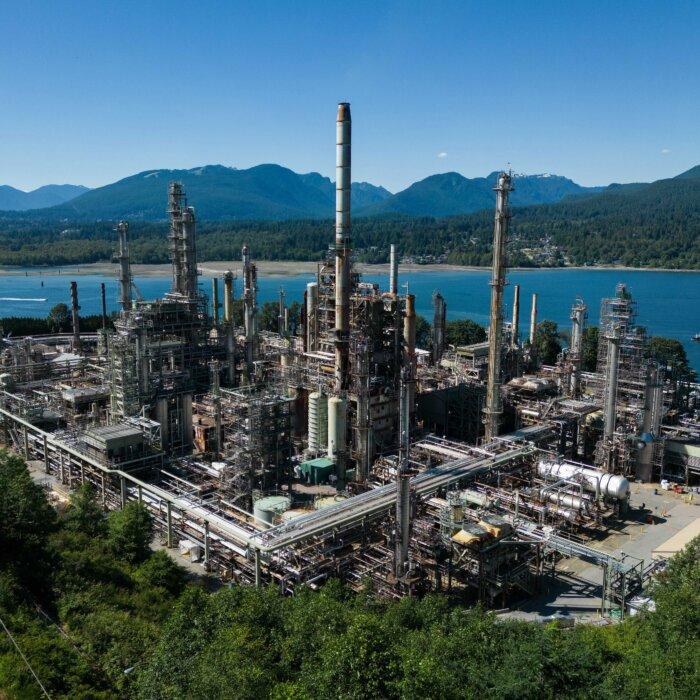
The Iran war has also prompted diesel, a thicker refined fuel product used to power farm equipment and transport trucks, to rise from approximately US$2.59 per gallon on Feb. 28 to US$4.22 on March 31.He anticipated this 25 percent diesel inflation increase would translate into $150 to $200 more in annual food spending for the average Canadian household. However, diesel prices have seen a 63 percent spike since late February, meaning households could pay an extra $375 to $500 in grocery costs, based on a proportional estimate. This does not account for increases in fertilizer prices.
Charlebois said rising global prices would push up prices in Canada, even for foods that are abundant in the country, such as wheat, canola, and beef. He noted that during the Russia-Ukraine War, global wheat prices became more expensive, “even though we don’t buy wheat from Ukraine.”
Von Massow said imported fruits and vegetables—shipped in diesel-powered transport trucks—could see short-term price increases of 3 percent to 5 percent. But he said that with the weather warming up and Canadian food production coming back, “we expect some seasonal reductions in those prices.”
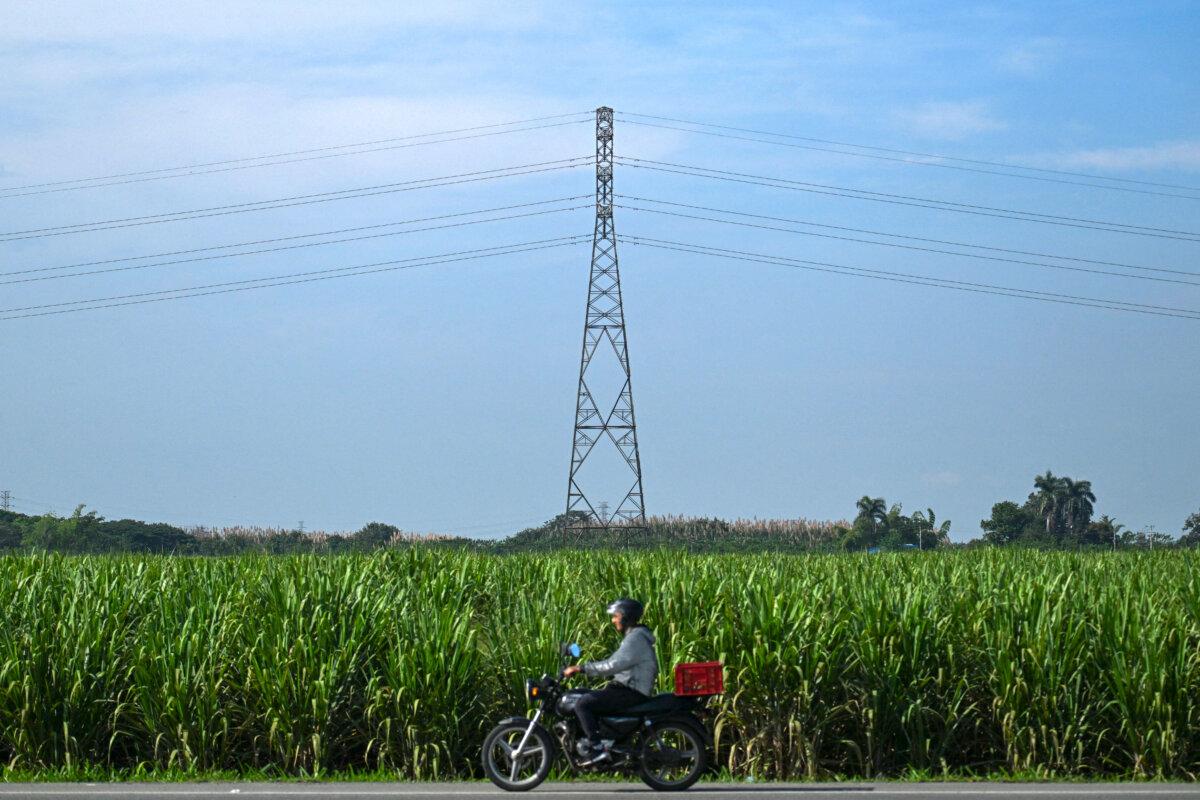
For more processed foods like cereal and snack foods, von Massow said transportation makes up a smaller part of the retail price, “so we wouldn’t expect any substantial change in prices.” However, he said higher fertilizer and fuel costs could raise food prices in the long term.
Von Massow predicted food transported by ship will see smaller price increases because water transport is more fuel-efficient and fuel is “a smaller proportion of the final price.”
The report said countries that depend on imported energy and fertilizers, particularly South Asia, Sub-Saharan Africa, and the Middle East, face the steepest food price increases. It also noted that countries in the northern hemisphere need fertilizer for their spring planting season, with March and April being peak demand months, and that delayed fertilizer application could mean lower yields or failed planting altogether, and could result in “food security consequences that persist long after the strait reopens.”