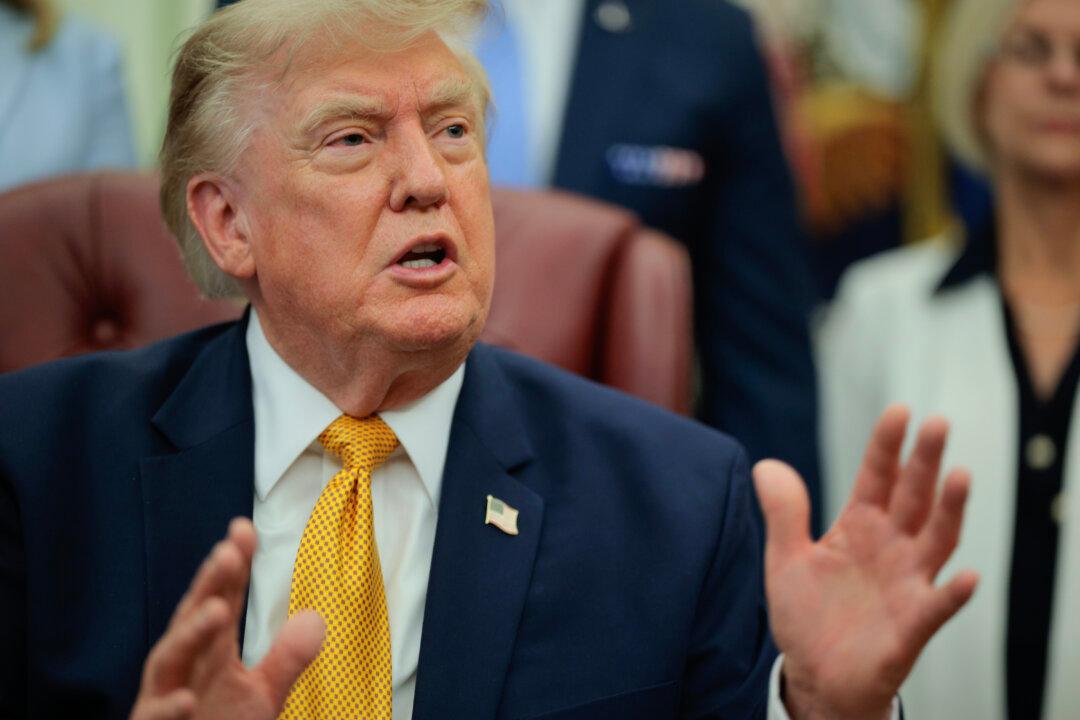
U.S. Secretary of War Pete Hegseth on April 16 urged Iran’s leadership to reach a deal with the United States, warning that a military operation against the country could be restarted quickly and that Iran’s power plants would be struck.
He said the U.S. government will ensure that Iran never has a nuclear weapon, which Trump administration officials say was a primary reason for launching strikes against the country in late February. Iran has long denied that it wants to obtain a nuclear weapon and insists that its nuclear program is for civilian purposes.
Hegseth called on Tehran to “choose wisely” in dealings with the United States.
“I pray you choose a deal, which is within your grasp for the betterment of your people and for the betterment of the world,” Hegseth added.
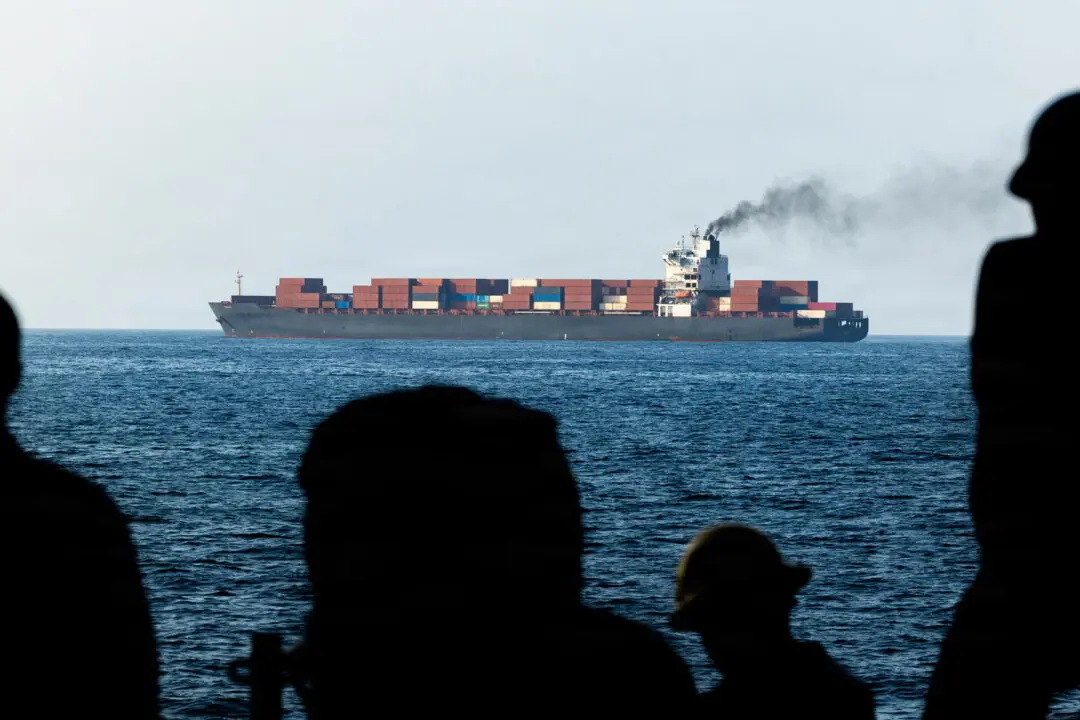
The U.S. military has kept up a naval blockade on Iran’s ports since April 13 in a bid to place economic pressure on the country’s leadership.

“We are reloading with more power than ever before, and better intelligence,” Hegseth said. “We are locked and loaded on your critical dual-use infrastructure, on your remaining power generation, and on your energy industry. We'd rather not have to do it.”
Hegseth warned Iran that the U.S. military is using only a small portion of its total power to enforce the blockade, which the U.S. Central Command said includes Iran’s Arabian Gulf and Gulf of Oman ports.

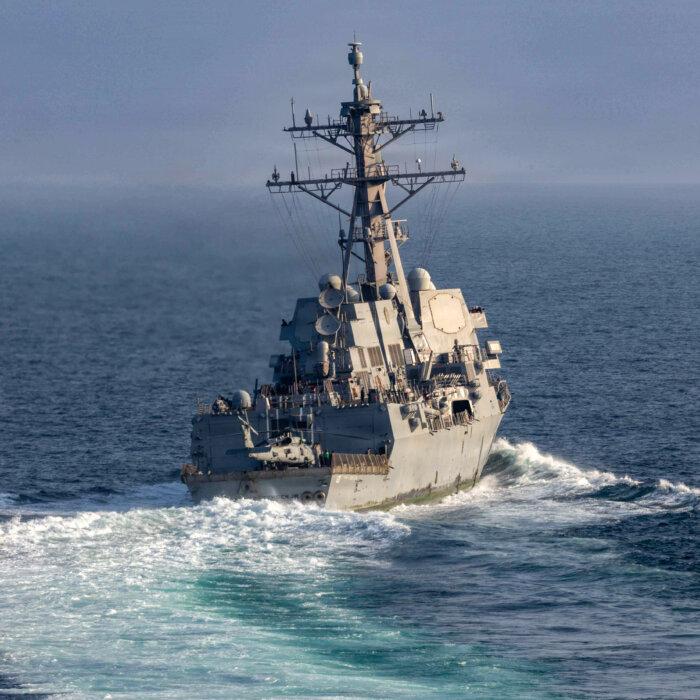
“The math is clear. We’re using 10 percent of the world’s most powerful navy, and you have zero percent of your navy,” Hegseth said.
The U.S. Navy currently has 16 warships, including 11 destroyers, three amphibious assault ships, an aircraft carrier, and a littoral combat ship in the Middle East, out of a battle force of roughly 300 total warships, officials have said.
Iran also lacks the capacity to rebuild military assets following the five-week-long war, Hegseth said. Tehran “can move things around,” but it cannot “actually rebuild.”
A ceasefire between Iran and the United States was announced last week by U.S. President Donald Trump following weeks of fighting, prompting negotiations between the two nations over the weekend in Pakistan that ended without agreement.

After the U.S. and Israeli militaries struck Iran, the country responded by firing missiles and explosive drones at Israel and other Middle Eastern countries while attacking commercial shipping vessels. The strategic Strait of Hormuz was effectively shut down during the conflict, leading to a surge in oil and gas prices and prompting broader concerns about the global economy.
On April 15, an Iranian general said through state-run media that the blockade would trigger the country to attack Persian Gulf States’ ports in the region, including areas along the Red Sea, another key shipping route.
Maj. Gen. Ali Abdollahi, commander of Iran’s Khatam al-Anbia Central Headquarters, said in a statement, according to the Iranian semi-official Tasnim News Agency, “If the aggressive and terrorist US continues its illegal action in enforcing a maritime blockade in the region and creating insecurity for Iranian commercial vessels and oil tankers, this action by the US will be a precursor of violation of the ceasefire, and the powerful Armed Forces of Iran will not allow any exports or imports in the Persian Gulf region, the Sea of Oman, and the Red Sea to continue.”