An Alberta First Nation is heading to court this week to challenge a petition advocating for the province’s secession from Canada.
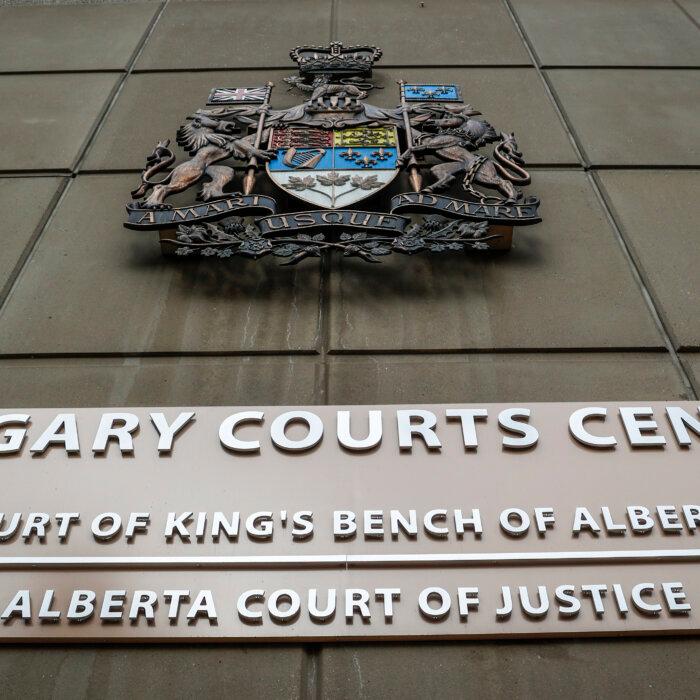
The Sturgeon Lake Cree Nation is scheduled to appear in court on April 7, where it will seek a ruling from a Court of King’s Bench judge in Edmonton to suspend the separatist petition campaign on the grounds that consent from First Nations is required first.
Stay Free Alberta has been collecting signatures for months to initiate a referendum on Alberta separating from Canada.
The group says it has already collected more than the 178,000 signatures required to trigger the vote, with less than one month to go before the May 2 deadline to submit the names to Elections Alberta.
Premier Danielle Smith’s government has said the question will be put to a vote if the group’s petition is successful.

First Nation Arguments
Treaty 8 is an agreement signed on June 21, 1899, between Queen Victoria and various Cree, Dene, Dane-zaa and Métis peoples. It is the largest land agreement of the Numbered Treaties in Canada, encompassing more than 800,000 square kilometres of land, and is currently home to 41 First Nation communities.It was negotiated to allow federal, provincial, and territorial governments access to land for economic development while promising to protect the rights of indigenous peoples to hunt, trap, and fish.
If Alberta were to claim sovereignty over the territory encompassed by Treaty 8 and the associated laws that govern it, it would breach indigenous peoples’ long-established treaty with the Crown, Sturgeon Lake argues.
The First Nation’s statement of claim accuses the Alberta government of passing Bill 14, which reduced the requirements for citizen-initiated petitions to request referendums, so it could “knowingly and recklessly” contradict the community’s right to consent to the province’s separation.
The First Nation called the Bill 14, which is now law, “illegal” and said Alberta’s move to implement it was “consummately irresponsible and dishonourable.”
It calls on the Court of King’s Bench to suspend the petition, urges the province to revoke sections of Bill 14 and seeks $250,000 in compensation to address Sturgeon Lake’s legal expenses.
Provincial Actions
Smith has previously said she does not support separating from Canada, but supports the right of Albertans to voice their opinions on the issue.The separatism movement gained momentum in the province following the April 2025 federal election, driven by dissatisfaction with the election of another Liberal government and was accelerated by the passage of Bill 54, which lowered the threshold for initiating referendums to 10 percent of votes in the previous election.
The Alberta Prosperity Project (APP)—led by Mitch Sylvestre—submitted a citizen initiative petition to Elections Alberta last July for provincial independence.
Chief electoral officer Gordon McClure submitted the referendum regarding Alberta’s potential status as a “sovereign country,” as proposed by the APP, to the Court of King’s Bench last summer to assess its constitutionality.
The province already had Bill 14 in the works in anticipation of the judge’s ruling and the office of Alberta Justice Minister Mickey Amery previously told The Epoch Times that the court’s decision would have no “practical impact” once Bill 14 became law.
Amery told reporters at the time that the changes under the new law would promote direct democracy by preventing court delays from blocking citizen initiatives.
He also noted that the legislation established that the Alberta government is not required to implement the results of a referendum if doing so would contravene the Constitution.
McClure granted approval for a petition submitted by Stay Free Alberta—led by the same individuals as the APP—after Bill 14 was enacted. The question was rephrased slightly to reference Alberta as an “independent state” to nullify the court review.
The Stay Free Alberta group has said the petition will allow “all eligible Albertans to have a say in the future of our province.”