
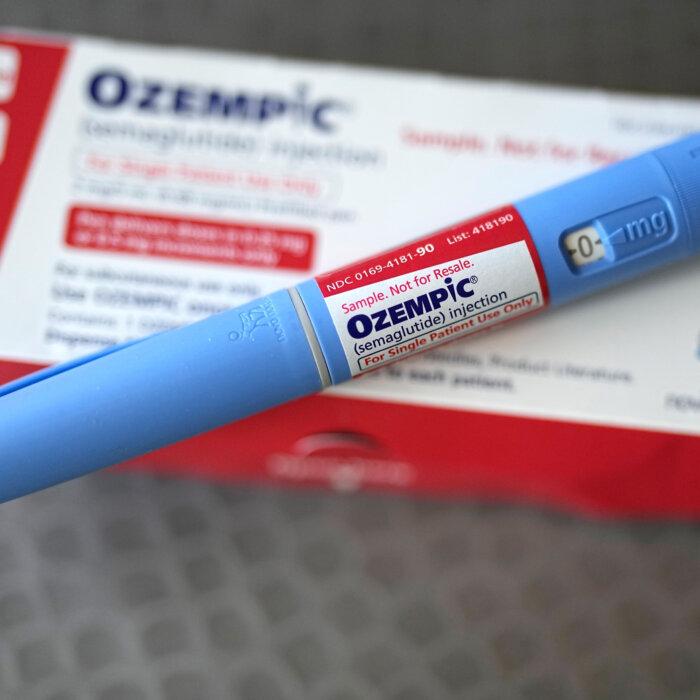
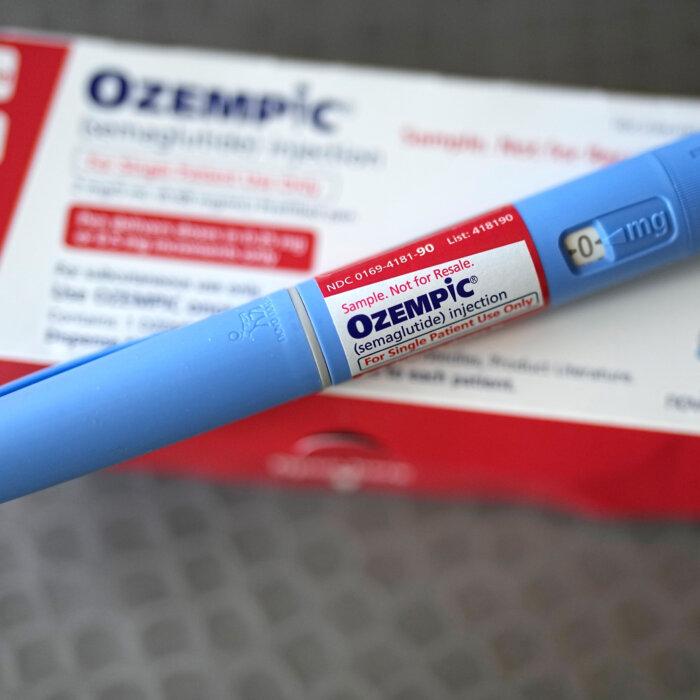
Health Canada has issued a warning to Canadians about counterfeit weight loss medications being sold in stores and online.
Health Canada says the counterfeit medications can pose serious health risks to those who take them as they have not been assessed by the agency for safety, effectiveness, or quality.
Semaglutide is a medication used to treat type 2 diabetes, and it has also been used for long-term weight loss and control. The medication mimics the GLP-1 hormone that is naturally produced in the human body. The hormone interacts with the brain to indicate feelings of fullness and can slow the speed at which food leaves the stomach.
The medications are available in injectable form or as tablets, Health Canada said.
The agency said there has been “growing interest” in such medications, and that some may turn to counterfeit options, adding that it has identified “various retailers” in Canada that are selling unauthorized products.
“Some websites and social media advertisements misuse official Health Canada logos and display fake endorsements to mislead consumers,” the warning said.
The agency noted that it never endorses a health product and does not allow its logo to be used in packaging or advertising.
Health Canada said using the unauthorized medications came with “many risks,” including having unlisted, dangerous, or unknown ingredients; having too little, too much, or none of the active ingredient; may contain contaminants such as heavy metals, solvents, or microbials; and could be improperly manufactured or stored.
The agency said that unauthorized injectable products “carry even more risks,” including infections due to lack of sterility, allergic reactions, and other issues connected to contamination.
Health Canada said that prescription drugs can cause serious side effects and should be taken under the guidance and supervision of a health care provider.
“Without proper oversight, there is a risk of harmful drug interactions or adverse effects that a healthcare professional can help to prevent or to manage appropriately,” it said, adding only licensed pharmacies can legally sell prescription medications.
The agency said it was monitoring the marketplace and was taking actions against those caught selling counterfeit products, including seizing the drugs, issuing letters of compliance, or warning against the selling or advertising of such products.
Health Canada said that selling unauthorized products or making false claims to prevent, treat, or cure illnesses was illegal.
The agency also said it was working closely with the Canada Border Services Agency to stop “unauthorized shipments from entering the country.”
Semaglutide Recalls
The warning comes about a year after the health agency issued a national recall of semaglutide medications from a compounding pharmacy chain over concerns it may contain an “unauthorized active pharmaceutical ingredient.”The affected drugs were sold by Create Compounding Pharmacy, which has locations in Calgary, Toronto, Vancouver, and Moncton. It was made available in both syringe and vial form.
That recall was classified at a Type II recall, meaning use of the product could result in “temporary adverse health consequences,” with Health Canada saying the likelihood of serious adverse effects was remote.