“The Government of Canada has received significant input from both consumers and industry about the implications of this potential policy update,” a Health Canada spokesperson said in an emailed statement. “The Department has therefore indefinitely paused the policy update to provide time for further discussions and consideration.”
Health Canada did not say what types of discussions are planned or who would be involved, but the spokesperson told The Epoch Times that there are currently no approved foods from cloned products on the market in Canada.
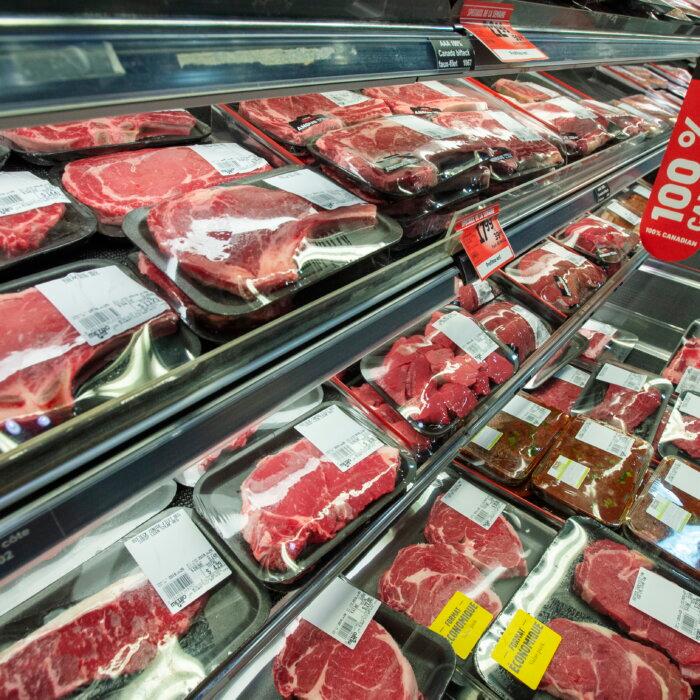
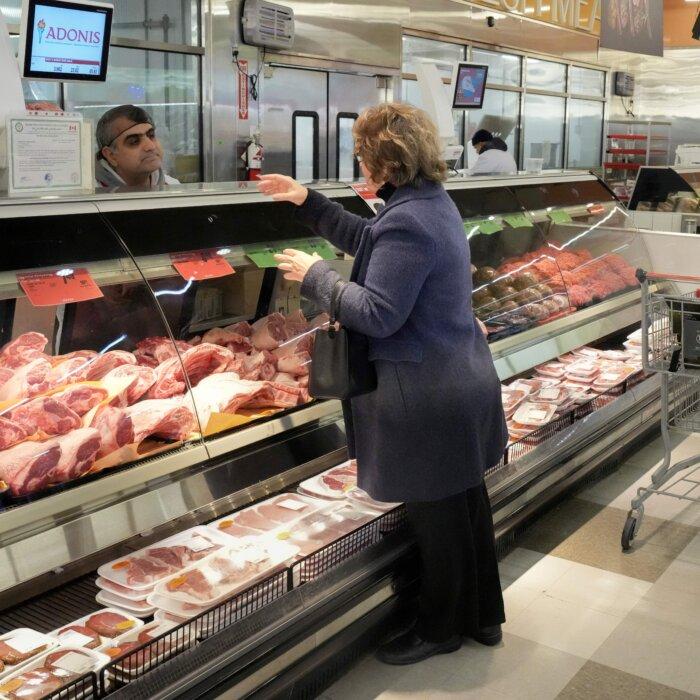
The department told The Epoch Times that foods made from cloned cattle and swine will remain subject to the novel food assessment until the policy is updated. Just when that will be remains unknown, but the spokesperson said it has already “applied a rigorous process” to review the safety of foods made from cloned cattle and swine.
Public Feedback
Lucy Sharratt, coordinator of the Canadian Biotechnology Action Network (CBAN)–an advocacy group that had objected to Health Canada’s policy proposal–told The Epoch Times that Health Canada’s decision to pause the new policy gives Ottawa time to determine the best way to provide consumers with transparency.“Government determinations of safety should not mean an end to transparency for consumers. Transparency is key to public trust and consumers want choice over the food they buy for themselves and their families,” she said in an email. “Consumers want information about how their food is produced, whether it involves cloning or the use of genetic engineering.”
She also called on Health Canada to reverse its trend of removing oversight from new technologies in the food system, a practice that she says sets “a dangerous precedent.” She said it is essential for Health Canada to maintain regulatory oversight over new food technologies like gene-edited foods.
“Even where Health Canada determines safety, consumers may want transparency and labelling,” she added.
Dalhousie University Agri-Food Analytics Lab director Sylvain Charlebois says the way the decision unfolded raises serious questions about transparency.
Cloning for Food
Animal cloning refers to a technique that produces a genetic duplicate of the original animal. The process involves the creation of an embryo by substituting the nucleus of an unfertilized egg cell from a female animal with the nucleus of a somatic (non-reproductive) cell from a different animal. The embryo is then implanted into a surrogate, where it continues to grow until it is born.Livestock breeders use cloning techniques to replicate animals that have advantageous traits, like disease resistance, or that have exceptional meat or milk quality, Health Canada said.
The department first recognized foods sourced from cloned animals as novel foods in 2003, pointing out that the technology was still in the research and development phase because its impact on food safety and quality was not yet well understood.
It was then that Health Canada began to work with other federal agencies, including Agriculture and Agri-Food Canada, the Canadian Food Inspection Agency, and the environment department, to collect and analyze scientific information on cattle and swine clone safety.
Health Canada’s now-paused policy proposal says that if the change is implemented, manufacturers, producers, and importers would be responsible for ensuring all products comply with Canadian regulations.
Editor’s note: A previous version of this article included incorrect information on the labelling of cloned products. Health Canada’s proposed change was to exclude cloned cattle and swine from novel food assessment, which has since been paused. Labelling is not impacted by the proposal. The Epoch Times regrets the error.