Daily alcohol consumption and weekly binge drinking among Ontarians remain well above pre-pandemic levels, despite a decline in the total number of drinkers in the province, a recent report indicates.
A survey conducted among 3,012 adults in Ontario from February 12 to March 18 last year found that the prevalence of alcohol dependence symptoms among those who do drink has increased when compared to pre-pandemic figures.
A smaller proportion of respondents reported symptoms of alcohol dependence in 2025 than the year prior, but the number of people struggling with addiction is still significantly higher than 2019, when 7.4 per cent of respondents reported such symptoms, according to the report. That number rose to 13.9 percent in 2020 and sat at 12.1 percent in 2025.
Daily alcohol consumption among those who drink was up 3 percent, rising from 7.1 percent in 2019 to 10.1 percent in 2025.
Binge drinking, which is defined as consuming five or more drinks on a single occasion, has also risen notably in the past six years. The percentage of individuals engaging in weekly binge sessions reached 9.6 percent in 2025, up from 6 percent in 2019.

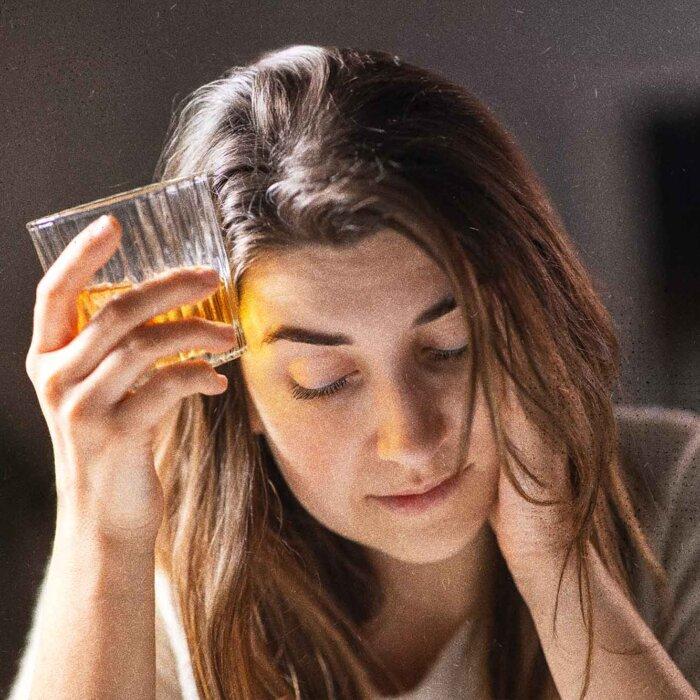
Drinking Trends
Both men and young adults are more apt to report concerning alcohol consumption behaviours, the survey found.Men are more likely than women to engage in daily alcohol consumption, binge drinking, hazardous or harmful drinking, and symptoms of alcohol dependence, according to the poll results.
There was also a significant difference in drinking habits between age groups. Older participants are more likely to drink daily than their younger counterparts. The 65-and-older category had the highest level of daily drinkers at 15.2 percent, followed by the 50-64 age group at 11.2 percent, and the 40-49 demographic at 9.8 percent.
The reverse was true for binges, however. Those aged 18 to 29 were more inclined to report weekly binge drinking and symptoms of alcohol dependence than older adults.
Mental Health
Beyond alcohol use, critical mental and physical health indicators have not returned to pre-pandemic levels and, in numerous cases, have worsened over the past five years, according to the report.The percentage of adults reporting fair or poor self-assessed mental health rose from 26.2 percent in 2020, to 29 percent in 2025. At the same time, the number of individuals experiencing frequent mental distress—defined as 14 or more days in the previous month—escalated from 16.8 percent to 18.7 percent during the same timeframe.
The proportion of adults reporting fair or poor overall health also increased, from 16.3 percent in 2020 to 20.8 percent in 2025, the survey found
Several trends are “particularly pronounced” among specific demographic groups, the report on the survey said.
The usage of anti-anxiety medication among women rose from 22.3 percent in 2020 to 26.5 percent in 2025 and consumption of antidepressants among adults 65 and older increased from 10.8 percent to 16.3 percent.
The number of men rating their mental health as fair or poor increased from 20.8 percent in 2020 to 25 percent in 2025, while those reporting frequent mental distress rose from 12.3 percent to 16.3 percent during the timeframe.
The authors of the study said that the mental health indicators presented in the research depict a “stark picture of rising distress” within the province.
“The findings of this report highlight the need to strengthen support for mental health and substance use challenges,” the study said.
“Facilitating equitable access to mental health and addiction services, particularly for individuals with complex needs, is important for reducing disparities and improving population health.”