One Nation Leader Pauline Hanson has signalled she is open to backing a Coalition government at the next election, offering confidence and supply while rejecting any formal alliance deal.
Speaking at a Minerals Council event on March 25, Hanson said her party could play a decisive role in government formation if its numbers prove critical, but made clear it would not enter into a binding partnership with the Liberals and Nationals.
“I will not form a coalition with them, where I will be told what I can say, what I can do, what policies I can put up like they’ve controlled the National Party and shut them down. I will get them supply and I will give them confidence. [But] don’t ever try and tell me what I can and can’t do,” she said, as reported by The Guardian.
Hanson indicated a willingness to negotiate preference deals with conservative parties, arguing cooperation would be key to unseating Labor.
“People want to change. They want to get rid of the Labor Party, by all means. So as I said, work with me. They’ve got to get rid of this bloody mindedness, as if I’m taking votes from them, I’m not. People want change, and they want real change,” she added.
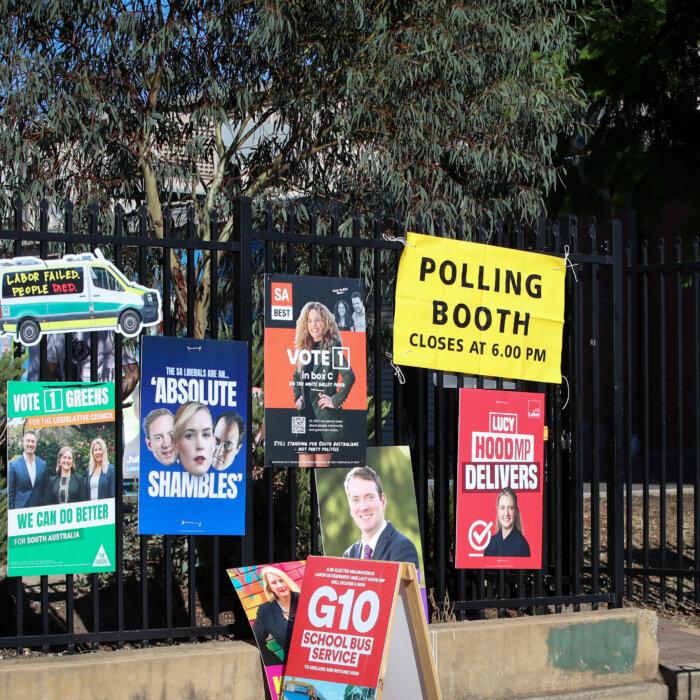
Her comments come after One Nation declined a preference arrangement with the Liberals in the South Australian election, instead encouraging voters to allocate their preferences as they wished.
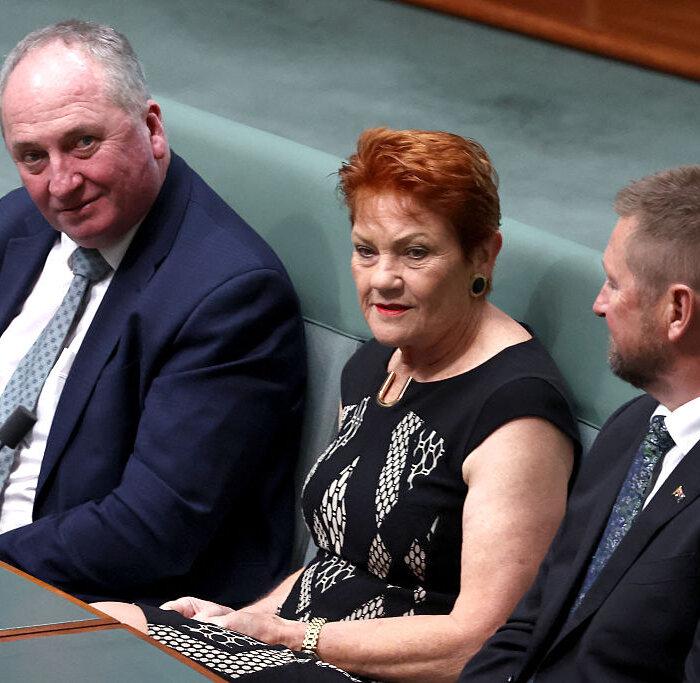
However, Hanson pointed to previous agreements with the LNP in Queensland and at the federal level as evidence the party is open to future deals.
Australia’s preferential voting system allows voters to rank candidates from most to least preferred. These votes are then redistributed during the counting process, and if a candidate is eliminated due to low support, their votes are transferred to the next preference.
One Nation’s Surge In South Australia
One Nation’s bargaining power has been strengthened by a strong showing at the recent South Australian election, where the party outperformed the Liberals on the primary vote.The party is currently leading the count in four lower house seats, raising the prospect of an expanded parliamentary presence.
Victoria Targeted Next
Hanson is now turning her focus to Victoria ahead of the November state election, arguing the party’s growing support reflects deeper dissatisfaction rather than a temporary protest vote.She said voters in the state were increasingly frustrated with both major parties, particularly on issues such as crime and governance.
“The Liberal Party have failed in Victoria, with the change of leadership constantly all the time,” Hanson told Nine News.
“The biggest thing is the escalating crime that’s happening in Victoria. They haven’t replaced the policing for the increased population.”
The One Nation leader added that her party has attracted a lot of new members from Victoria.
“People actually want representation in Victoria from One Nation,” she said.
“They’re screaming out for it. They’re crying out for it.”