One Nation Senator Pauline Hanson has renewed calls for tighter means testing of Australia’s National Disability Insurance Scheme (NDIS) as Labor Party members also call for more scrutiny.
Despite its relatively recent inception, the NDIS has become one of the fastest growing budget items, estimated to soon outstrip the defence and university education budgets.
“Australians are tightening their belt as they stare down $3.00 a litre fuel, but the government isn’t,” Queensland-based Hanson said on social media.
“The NDIS was originally budgeted at $14 billion a year. This year, it will cost $50 billion. If it keeps going, the cost will reach $100 billion—double what we spend on defence.”


Another $151 million will also be allocated over four years from the same timeframe to fund the “Crack Down on Fraud” program to target alleged fraud, a focus of the Labor government to bring down the cost of the program.
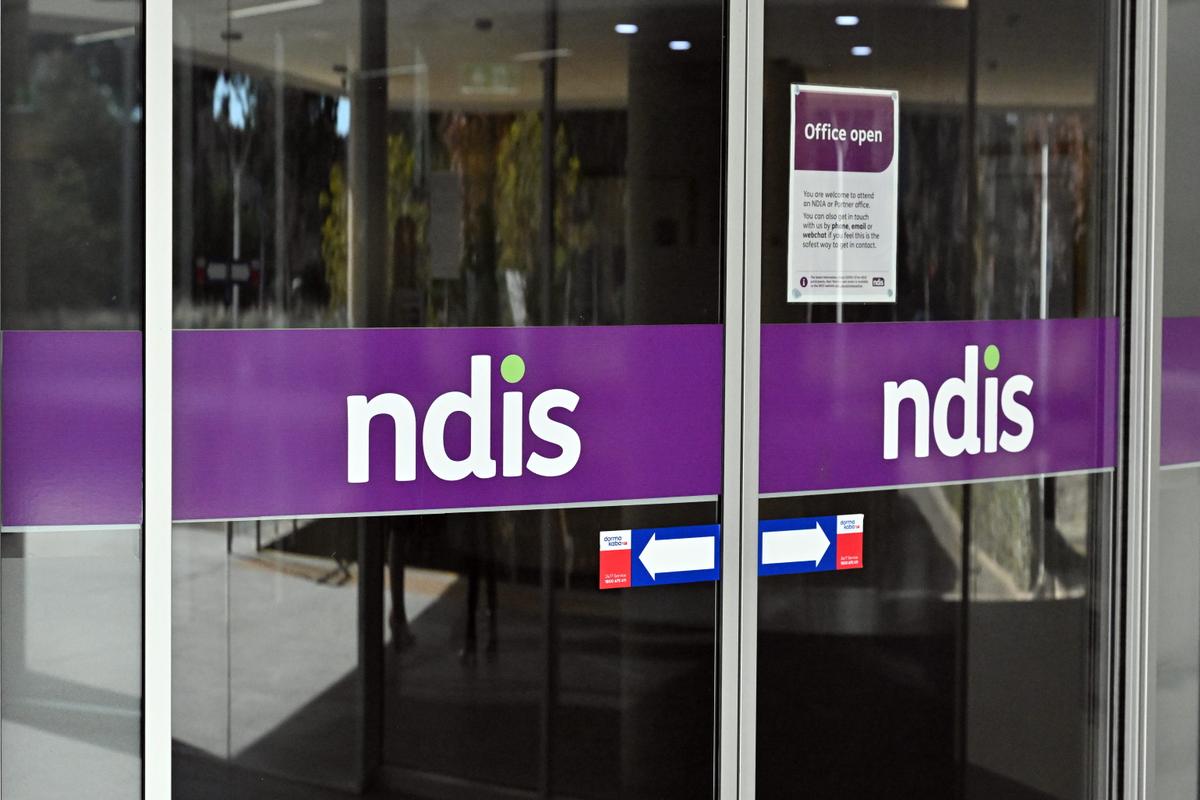
The Albanese government has also tried to limit growth to just 8 percent a year with a goal of reaching 5-6 percent.
Hanson also said one family told her they were offered an $80,000 program from the NDIS—which they did not need—because their son was on the autism spectrum.
“I am pleased the family saw this as a rort and declined,” Hanson told the Senate on March 31.
“I’ve heard similar stories from others whilst also hearing that participants with significant or severe disabilities are not having their more urgent needs met. The NDIS was not originally intended for people with mild autism, but now more than $10 billion per year goes to participants with autism.”
Labor MPs Call for Change
Labor backbencher and paediatrician Mike Freelander said tough discussions needed to be had.“The NDIS was designed for people with severe disability, and it’s vitally important ... that we do keep it for people with severe disability,” he told AAP.
“We need to be quite black and white about it.
“There are going to be people who will be very angry with us, but we need to try and keep that to a minimum.”
Another part of the government’s cost cutting plan is expected to involve mandatory registration for providers of supported living.
Labor Senator Michelle Ananda-Rajah, also a doctor, described the NDIS as “fundamentally flawed.”
“I am concerned that the medicalisation of the normal range of neurodiversity has resulted in a whole new industry, and this should be the coalface of eligibility reform,” she told The Sydney Morning Herald and The Age.
The Epoch Times contacted the NDIS and portfolio minister Jenny McAllister for comment.