The Liberal government says it collected 25 prohibited firearms in its gun buyback pilot program, which took place over six weeks in Nova Scotia last fall, falling short of its 200 firearms objective.
“A total of 25 prohibited firearms were collected and destroyed,” Public Safety Canada said in the report.
A spokesperson for the public safety department told The Epoch Times on Jan. 9 that the 25 prohibited firearms were turned in by 16 participants.
“The total compensation paid to pilot participants is $26,535,” the spokesperson said.

Public Safety Canada says the program will be open to individual firearms owners across Canada “in the coming weeks,” and firearms owners will be invited to submit a declaration for a compensation claim if they turn in or permanently activate their prohibited firearms.
The federal government will fund up to $12.4 million to cover costs incurred by the province of Quebec for coordinating the collection of firearms by local police services, and aims to support individual firearms owners who wish to participate in the program before the end of the amnesty period on Oct. 30, the department says.
Once the amnesty period ends, those who remain in possession of such prohibited firearms will be considered “non-compliant” with the legislation.
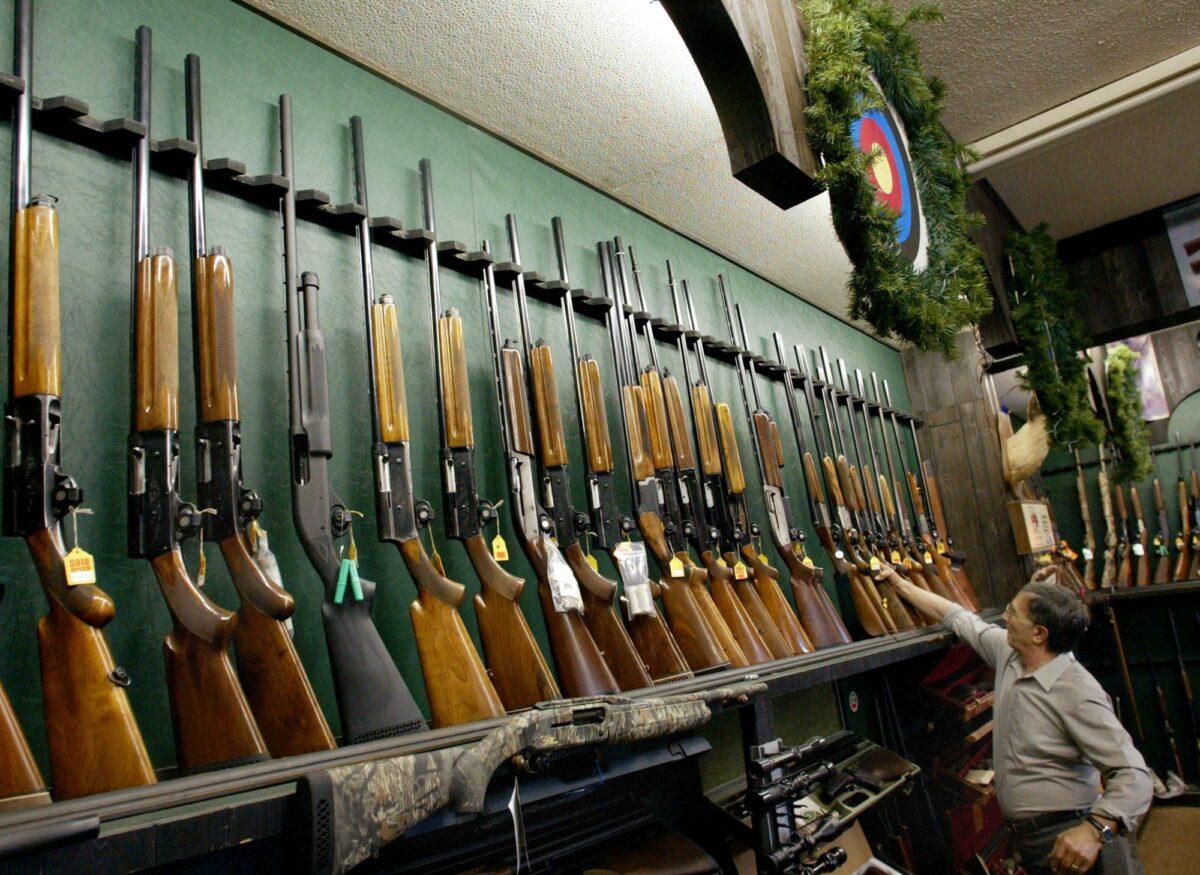
The Conservatives have accused the Liberal government of targeting licensed, law-abiding gun owners with its gun bans in recent years, while ignoring illegally smuggled firearms most often used by criminals. The Liberals have argued that the “assault-style” weapons falling under the ban are “designed for mass casualties.”
‘Lessons Learned’ From Pilot
Public Safety Canada listed numerous “lessons learned” from the pilot program in Cape Breton in its Jan. 7 report. The department said a “clearer” registration process will help facilitate participation in the buyback program, specifically more detailed instructions when creating an account in the online portal.The department also said that providing a longer period for firearms owners to declare their firearms would allow more individuals to participate in the program.
Functional gaps in the online portal were also identified, and public safety said the pilot confirmed that “factual, consistent information on how the program works, what individuals can expect if they choose to participate, and legal requirements to comply with the prohibition must be readily available and up-to-date.”
The department says it has clarified instructions, will implement a “significantly longer” declaration period when the program is launched across Canada, improve its online portal, and will support individuals who participate in the program through a dedicated call centre.