
The repurposed antidiabetic drug, known generically as tirzepatide and made by pharmaceutical giant Eli Lilly, reduces blood sugar levels and slows digestion, effectively suppressing hunger and helping people lose weight.
Family doctors in England can now prescribe the drug to severely overweight people who also suffer from a range of obesity-related health conditions, making it the first of the injectable weight-loss drugs to be accessible directly from GPs.
Patients previously needed to access it through a referral to a specialist NHS weight loss service or to obtain it privately at a much higher cost than the state prescription price of £9.90.

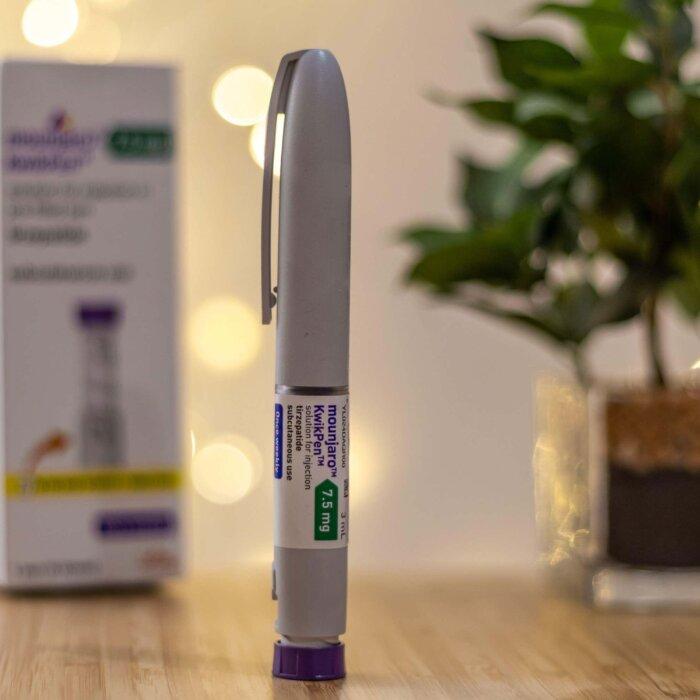
Estimates suggest around 1.5 million people in the UK are currently taking weight-loss medications, known as GLP-1RAs, although many of them would not meet the strict criteria for being prescribed them on the NHS.
Demand for the drug is expected to far outstrip availability on the NHS, with some GPs expressing concern about the additional workload linked to the rollout and cautioning patients not to book appointments requesting the drug unless they meet the criteria.
In the first year of the NHS programme, Mounjaro can be prescribed to people with a body mass index (BMI) of 40 or above who have at least four other health problems linked to obesity, including type 2 diabetes, high blood pressure, heart disease, and obstructive sleep apnoea.
“While we recognise the potential benefits of weight loss drugs being prescribed in line with NICE guidance, we know many GPs are concerned about the implications of the rollout of weight loss drugs into general practice, both in terms of workload and training to appropriately initiate and manage these treatments,” Hawthorne said.
“The College shares these concerns, which is why we were pleased NHS England suggested a phased roll-out of Mounjaro as a treatment for weight loss; as and when this is escalated, appropriate resourcing for general practice - including access to ‘wraparound’ services - and training for GPs must follow.”
Demand Continues to Rise
Olivier Picard, chairman of the National Pharmacy Association, said that the NHS will not be able to fulfill the demand for Mounjaro.“The demand for weight loss jabs continues to rise sharply, and more GPs have been directing patients back to pharmacies after initial inquiries, to access these treatments privately,” Picard said in an emailed statement to The Epoch Times.
“As the NHS is now moving to implement National Institute for Health and Care Excellence (NICE) guidance, and tirzepatide becomes prescribable to more patients, we expect to see prescription volumes increase rapidly. However, NHS provision won’t meet demand straight away, so we fully expect that many people will continue seeking it privately from a pharmacy.”
Picard echoed concerns that the drugs alone will not fix the obesity crisis and said there needs to be a more holistic approach to weight management involving people making permanent lifestyle changes.
“We could end up in a situation where patients are prescribed the medication, lose weight, and then experience rebound weight gain once the course ends—simply because the foundational lifestyle changes weren’t addressed.”

Streeting told The Press Association, ahead of this week’s rollout, that making the jabs available on the NHS is part of the government’s strategy to focus on the prevention of illness rather than the cure.
“Obesity is now one of the leading causes of ill health, costing the NHS billions. Yet we now have the science, technology, and knowledge to end the obesity epidemic, if we seize this opportunity. Obesity jabs are used by 1.5 million people in the UK, mainly through private prescriptions,” he said.
Pregnancy Warning
The Medicines and Healthcare products Regulatory Agency (MHRA) issued an alert earlier this month reminding women to use effective contraception while taking “popular medicines for weight loss and diabetes.”“Effective contraception includes oral (the pill) and non-oral (the implant, coil or condoms) forms of contraception. However, Mounjaro may reduce the effectiveness of oral contraceptives in those who are overweight,” the MHRA stated.
Cancer
Potential side effects of Mounjaro include nausea, vomiting, diarrhea, and constipation, Eli Lilly’s website states.“Therefore, based on the need for further exploration of the risk about the human relevance, the pharmaceutical companies for all GLP-1RAs have been requested to assess the risk within a collaborative, long-term post-authorisation safety study evaluating medullary thyroid cancer events using United States cancer registries.”
She added that based on current evidence the benefits of the drugs outweigh the potential risks when used for the licensed indications.
“The risk of thyroid cancer with this class of medicines remains under review by the MHRA and all pharmaceutical companies which hold a licence for (the medications),” Smyth said.