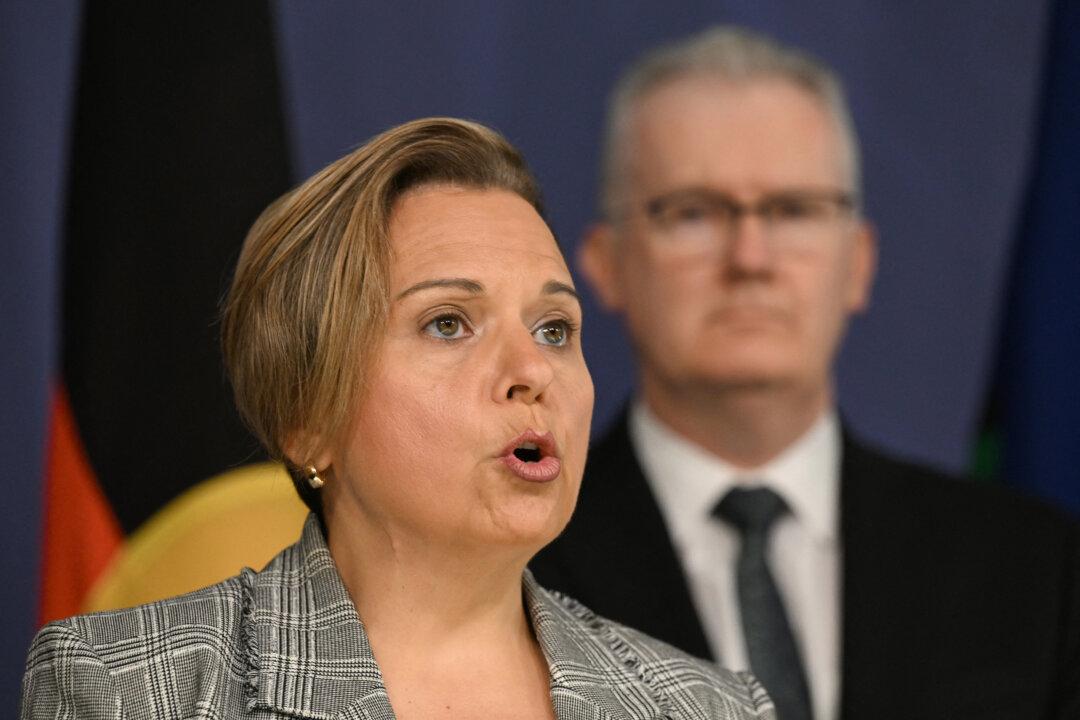
Health Minister Mark Butler admitted the federal government was blindsided by Ramsay Health Care’s decision to shut down the majority of its psychology clinics by the end of August.
Australia’s largest private hospital operator confirmed this week it would close 17 of its 20 Ramsay Psychology clinics across the country, citing a shift in patient preferences and financial pressures on face-to-face care models.
“We weren’t aware of it before it was reported in the media,” Butler told ABC News Breakfast.
“We’ve talked to Ramsay. They’ve said to us it wasn’t a lack of psychologists that caused them to take the decision they took,” he added.
Butler said the closures reflect a broader shift in the mental health sector, with increasing numbers of Australians opting for online consultations instead of traditional in-person appointments.
“About half of the work they were doing out of those clinics was being conducted virtually,” Butler said.


He said this is happening across the system of psychiatry and psychology. More and more people are conducting their psychology sessions online rather than face-to-face.
He acknowledged that this trend is placing “real financial pressure” on brick-and-mortar models, prompting providers like Ramsay to adopt new models of care.
Ramsay Moves to ‘Flexible’ Service Model
Ramsay Health Care said the move is part of a broader strategy to deliver more connected, sustainable care across physical and virtual settings.“After careful consideration, we are transitioning Ramsay Psychology to a more flexible and sustainable model,” the company said in a statement.
“This includes the progressive closure of 17 clinics by the end of August.”
Three clinics—in Cairns (Queensland), Charlestown (New South Wales) and Joondalup (Western Australia)—will remain open to meet local needs and trial more integrated models of care.
“We understand this change might be unsettling, and we are working closely with our psychologists to ensure every client is supported and has continuity of care—whether through our expanded Telehealth service or with another trusted provider,” the statement said.
Mental Health Services
Butler used the opportunity to reaffirm the government’s commitment to mental health reform, including investments in workforce training and free services.“We know there’s more demand for mental health,” he said. “That’s why we’re investing in training more psychologists, because we don’t have enough in this country, and expanding other services as well that are available free of charge to Australians who need help.”