Prime Minister Anthony Albanese and Western Australian (WA) Premier Roger Cook have announced plans for a $4 million (US$2.79 million) pre-feasibility study into a new oil refinery at Karratha in the Pilbara region.
If approved, the refinery would be the first of its kind built in Australia since the 1960s and would become the country’s third refinery, joining existing facilities in Brisbane and Geelong.
Speaking from Karratha on July 28, Albanese and Cook said the project had potential to create “thousands of jobs,” boost the economy and help secure Australia’s fuel supply.
The study into the proposed facility, which would be built by multinational group Perdaman, is part of the government’s $15 billion package for fuel security measures.
“The longer war in the Middle East goes on the greater the impact on Australia will be, and my government will continue to do everything we can to shield Australia from the worst effects—and set us up for the future,” Albanese said.
“My government’s working to advance Australia’s interests—not just in this crisis, but going forward as well to ensure we can meet future challenges.”
Cook said he was looking forward to boosting his state’s ability to produce and distribute its own fuel.
“This includes diesel to support the regional communities which drive WA’s economy and which have been most at risk amid this conflict,” he said.
But Resources Minister Madeleine King said the planned WA facility would still be reliant on imported oil, which has a longer shelf life than refined fuel.
“But the difference with crude oil, the unrefined product, is it is storable and storable for much, much longer, almost permanently, than refined petroleum,” she told ABC Radio.
“So you can bring it in and have it sit in a vessel for some amount of time before you need to refine it. And that’s a critical difference in times of crisis.”
Nationals Senator Bridget McKenzie said the Coalition would back the project but wanted more certainty regarding alternative pathways.
“I think we need storage capacity, first and foremost, actually onshore,” she told the national broadcaster.
“That’s part of our plan for energy and fuel security, we also need to make sure we are opening up alternative fuel supplies here, not just oil and gas, but also alternative fuels like biofuels as well.
“So that’s all part of our plan that we announced back in April. So we'd like the government to obviously join us with not just scrapping the safeguard mechanism, but also opening up new fields of supply, and then having that refinery capacity on shore will obviously be part of a longer-term plan.”
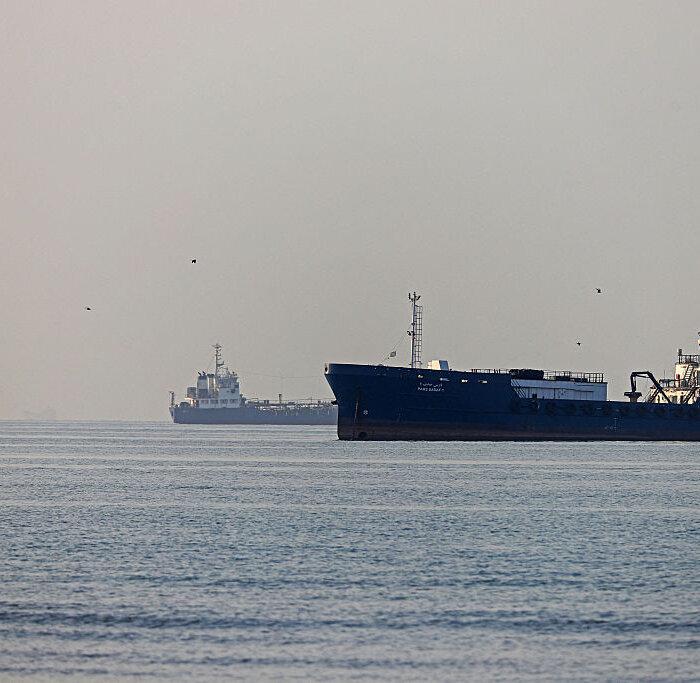
Ongoing tensions in the Middle East have highlighted Australia’s vulnerability to oil supply disruptions, with concerns that global conflicts could continue to drive up prices and interrupt supply.
Queensland Accelerates Oil and Gas Exploration
The announcement of the study comes following Queensland’s plans to support oil and gas exploration in the state’s Taroom Trough region.
The state government announced $19 million in its 2026-27 budget for planning to produce fuel and grow regional industries.
Omega Oil and Gas started another drilling campaign in the region this month as companies continue to explore the state.
Shell has also recently started work on an 800-square-kilometer 3D seismic survey completed in Queensland to map the subsurface of the Taroom Trough resource, while Elixir Energy has begun production testing of high-impact appraisal wells and engineering work to connect them to market.
The state government said another company, Denison Gas, had found significant resources that could support the energy needs of all Queensland homes for five years.
Queensland Natural Resources Minister Dale Last said work would continue on boosting fuel security.
“Queensland already supplies more than 90 percent of gas to the domestic market,” he said in a statement.
“We’ve released 21 new areas for oil and gas exploration, and this investment ensures we continue unlocking opportunities in the Taroom Trough, while investigating ways to expand Queensland’s refining and fuel storage capability.”
The state also opened six regions for refinery proposals from developers.