This copy is for your personal, non-commercial use only. Distribution and use of this material are governed by our Subscriber Agreement and by copyright law. For non-personal use or to order multiple copies, please contact The Epoch Times Reprints.
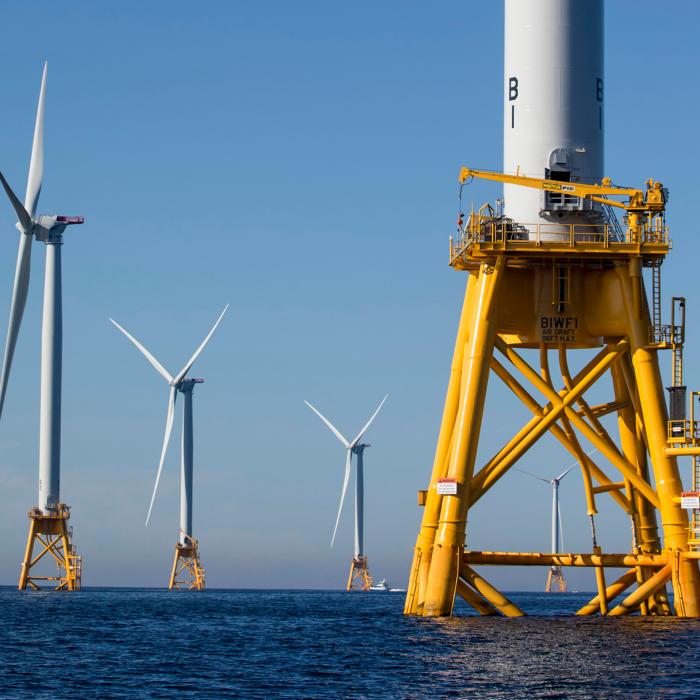
The International Energy Agency (IEA) has cut its global renewables outlook through 2030, stating that the Trump administration’s energy policies are curbing growth in the United States, while China is also slowing.
“Globally, we have lowered our renewable energy growth forecast for 2025–2030 by 5 percent compared to last year, to reflect policy, regulatory, and market changes since October 2024,” the report stated. “This revision means we now expect 248 GW less renewable capacity to be commissioned over 2025–2030.”
Compared with last year’s estimates, the IEA said in a report released on Oct. 7 that it expects electricity produced by renewables to drop by almost 850 TWh in 2030. The downgrade is equal to about half of India’s annual consumption.
Global renewable power capacity is still expected to rise by 4,600 GW by 2030, although that number is down from the six-year forecast of 5,500 GW in 2024. Solar accounts for about 80 percent of the increase, the IEA said.
According to the agency, the early phase-out of federal tax incentives, along with other regulatory changes in the United States, lowered its growth expectations for renewables in the US market by almost 50 percent compared with last year’s forecast.
It added that China’s shift from fixed tariffs to auctions is affecting project economics, resulting in a reduction in its forecast for renewables’ growth in the Chinese market.
“The growth in global renewable capacity in the coming years will be dominated by solar,” IEA Executive Director Fatih Birol said.
“In addition to growth in established markets, solar is set to surge in economies such as Saudi Arabia, Pakistan, and several Southeast Asian countries.”
The IEA report stated that renewables are expected to surpass coal at the end of 2025 (or by mid-2026 at the latest, depending on hydropower availability) to become the largest source of electricity generation globally.
It added, however, that global supply chains for solar PV [photovoltaic] and rare earth elements used in wind turbines remain heavily concentrated in China, underscoring ongoing risks to supply chain security.
“While new investment to diversify supply chains is taking place in countries around the world, concentration in China for key production segments is set to remain above 90 percent through 2030,” the report stated.
According to legal firm Latham & Watkins, Foreign Entity of Concern rules, strengthened by President Donald Trump’s One Big Beautiful Bill Act, aim to block Chinese government influence in the solar and renewable energy supply chain by denying clean energy tax credits to projects that involve such entities.
U.S. Energy Secretary Chris Wright told the BBC in September that the Trump Administration had “serious concerns” about Europe’s reliance on Chinese renewable technologies.
“It looks like the Chinese could control what’s going on with your energy system,” he said.
Wright also claimed on X, “Even if you wrapped the entire planet in a solar panel, you would only be producing 20 percent of global energy.”
“One of the biggest mistakes politicians can make is equating electricity with energy,” he added.
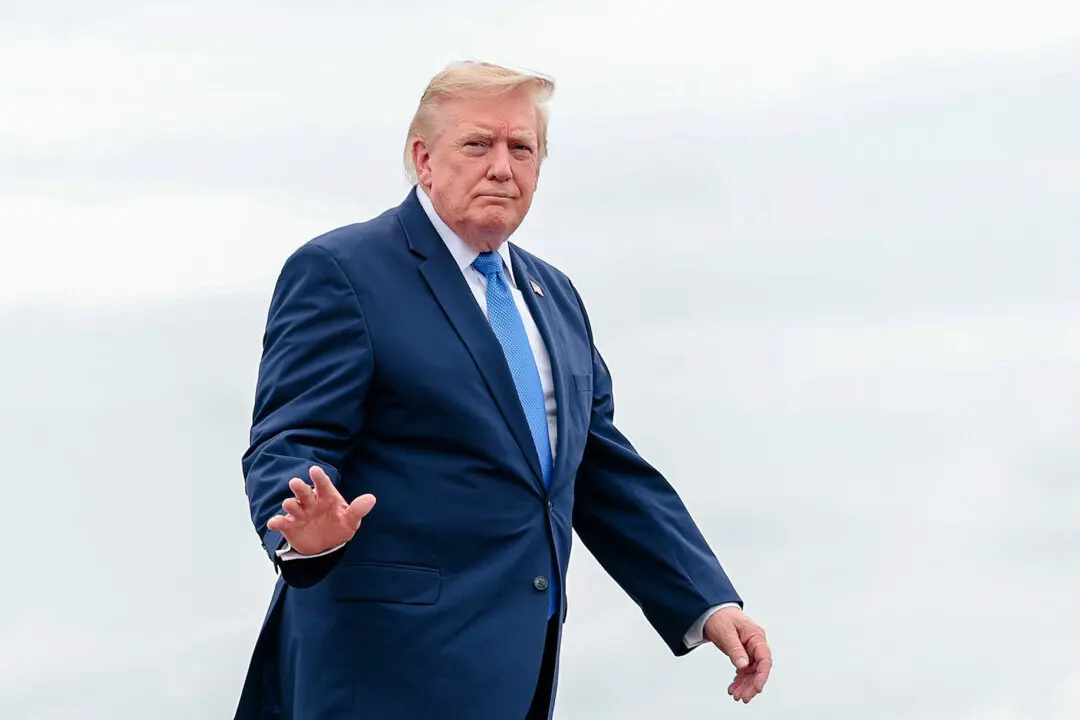
Trump, a vocal critic of wind energy, particularly in the UK, has described it as “the most expensive energy ever conceived.”
Addressing world leaders at the United Nations on Sept. 23, Trump said the sector causes profit losses and requires “massive” government subsidies to operate.
China is still committed to coal.
Earlier in the year, China’s construction of coal-fired power plants reached its highest in a decade.
In 2024, China started construction on 94.5 gigawatts of coal-fired power, the highest volume of new builds since 2015, according to a report by the Finland-based Center for Research on Energy and Clean Air (CREA) released on Feb. 13.
“China’s current push for new coal power is primarily driven by industry interests that are advancing coal expansion under the banner of energy security,” CREA researcher Qi Qin said.
In July, the IEA said that the power sector remains the dominant source of coal demand in China and globally. But industrial use of coal in China, particularly in steel and chemicals, is also “large enough to influence global trends.”
“Global coal production is expected to rise to a new record in 2025, driven by continued output growth in China and India, which rely on coal for ensuring their energy security priorities,” the agency added.