The leaders of France and Germany have agreed to deepen their strategic defense cooperation, including integrating air defense systems and allowing German participation in French nuclear exercises.
German Chancellor Friedrich Merz and French President Emmanuel Macron made the commitments during the Franco-German Defence and Security Council held in Germany on July 17.
According to a statement from the chancellor’s office, Berlin and Paris will develop plans that will focus on conventional Deep Precision Strike and missile defense capabilities with nuclear deterrence.
“This unprecedented bilateral cooperation will contribute to strengthening deterrence in Europe and enhancing Europe’s security as a whole in full compliance with our international legal obligations,” the chancellor’s office said in the statement.
This nuclear cooperation “will add to, not substitute for, NATO’s nuclear deterrence and NATO’s nuclear sharing arrangements, to which Germany contributes,” it stated.
German participation in French nuclear exercises will take place later this year.
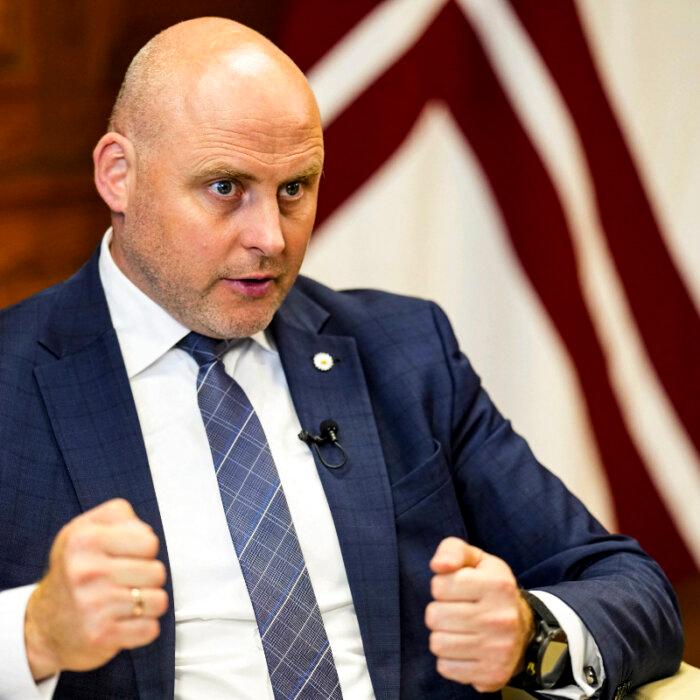
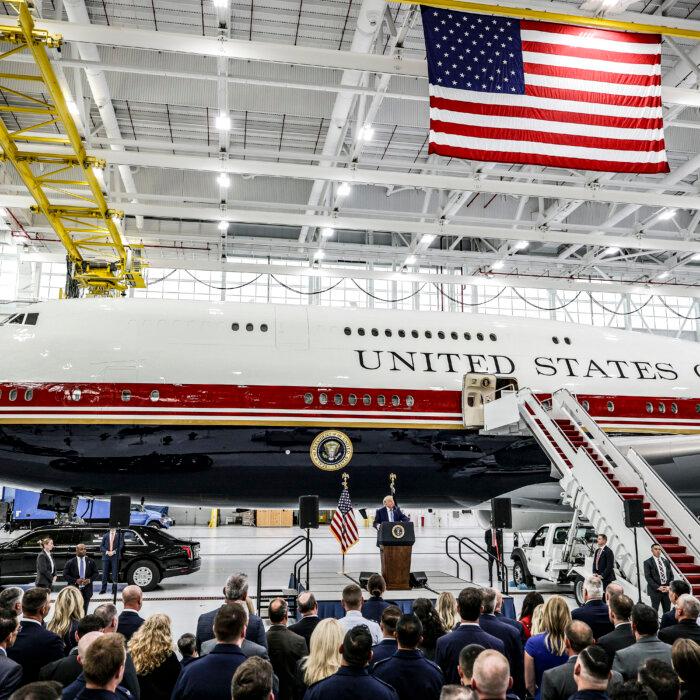
“Germany and France are deepening their cooperation in defense,” Merz said in a July 17 post on X. “We are strengthening European deterrence.”
France is only one of two European nuclear powers in NATO, the other being the UK. The independent nuclear forces of France and the UK “have a deterrent role” of their own and “contribute significantly to the overall security of the Alliance,” according to NATO.
The United States has nuclear weapons forward deployed across Europe, underpinning NATO’s nuclear deterrence posture. The United States remains in absolute control of these weapons.
‘Stronger Europe’ in NATO
Merz and Macron also agreed to “strengthen the European pillar” in NATO “and to assume greater responsibility for the Alliance’s defence, working with other Allies.”
This will include defining European collaborative combat standards to make it possible and easier for all European air systems—including fighter jets, combat aircraft, and carriers—to work together.
“As we face war and escalating hybrid threats on our continent, multiple crises in our neighbourhood and a challenging geopolitical constellation shaped by great power dynamics, Germany and France are committed to strengthen the security of Europe and of the Euroatlantic area as well as to contribute to a rules-based international order,” the statement reads.
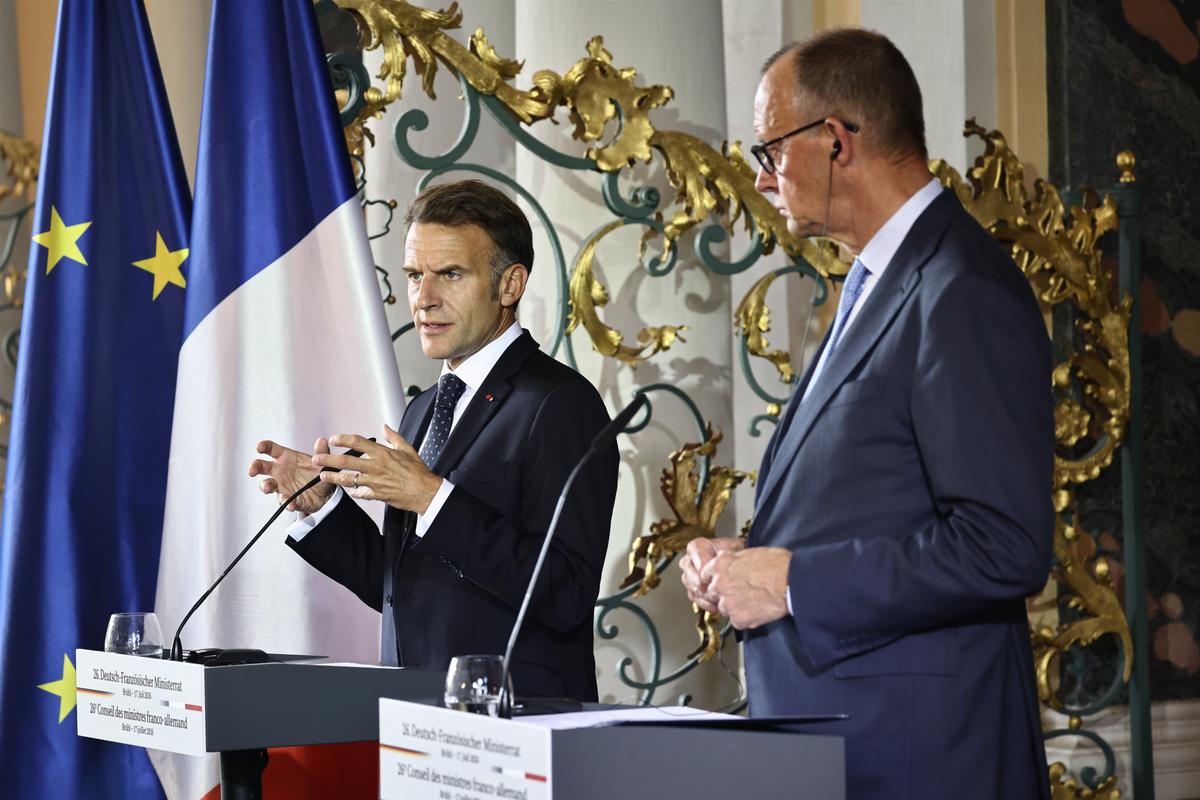
The commitment from the two leaders comes amid a wider push by European NATO allies to take greater responsibility for their own defense.
U.S. President Donald Trump has long advocated that the other members of the alliance take more practical and financial responsibility for their collective security.
“We want to renew the Alliance,” he said on June 24.
Merz had made the remarks following a meeting of the leaders of France, Germany, Italy, Poland, and the UK, the five nations informally known as the European Group of Five (E5).
The E5 had agreed to move forward with increased European leadership and burden-sharing. Members said they were committed to developing stronger European roles in NATO, including taking greater responsibility for the alliance’s shared transatlantic security while continuing to coordinate closely with the United States.