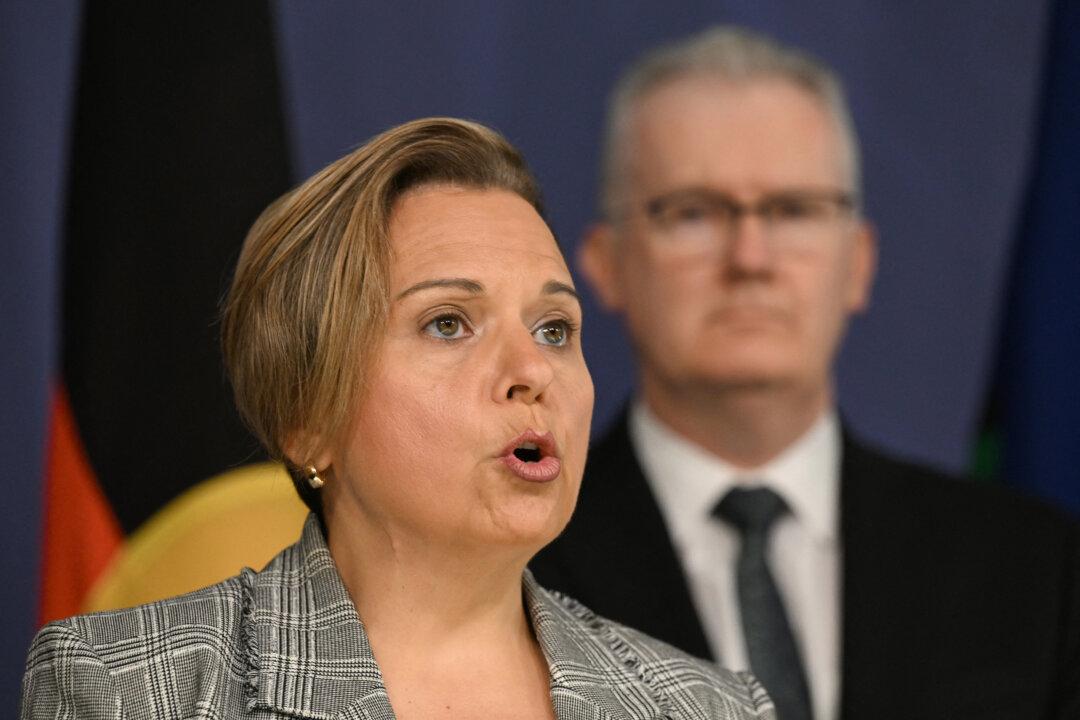
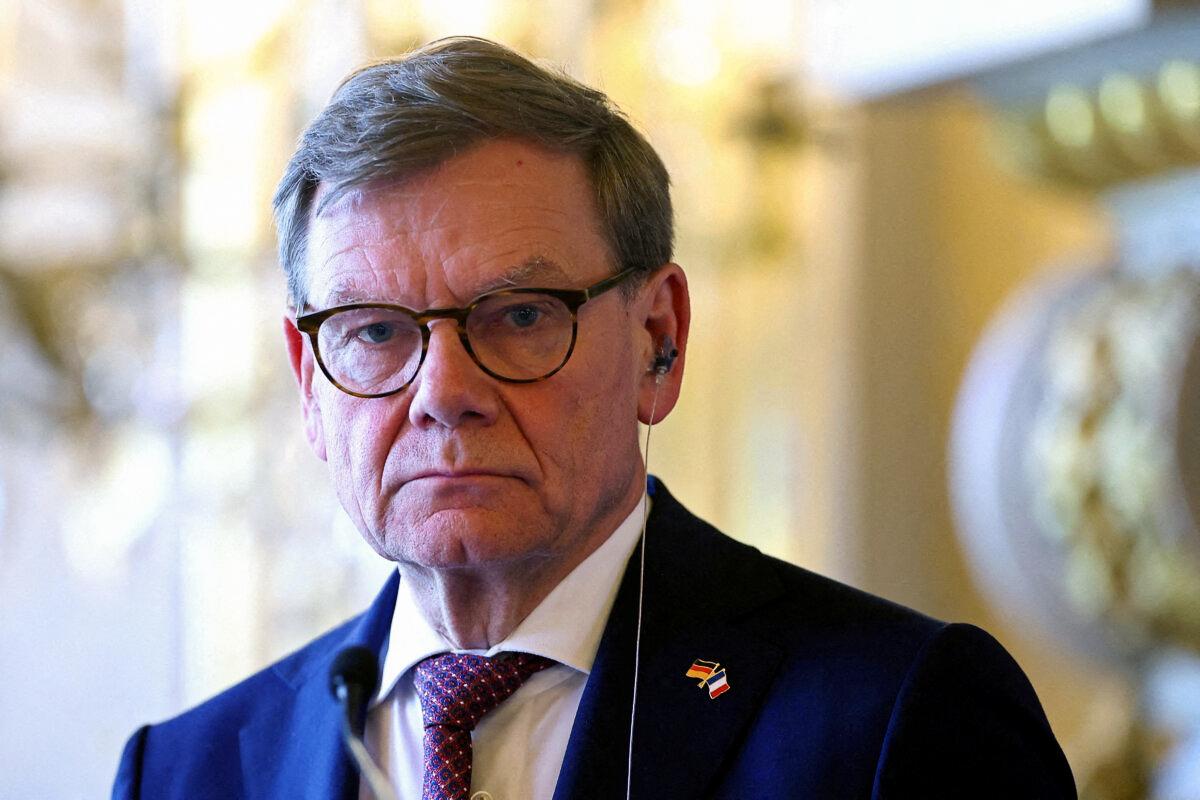
German Foreign Minister Johann Wadephul and Australian counterpart Penny Wong have stood by the impending visit by Israeli President Isaac Herzog.
Wadephul made the comments during a press conference as he concluded his Australia visit on Feb. 5.
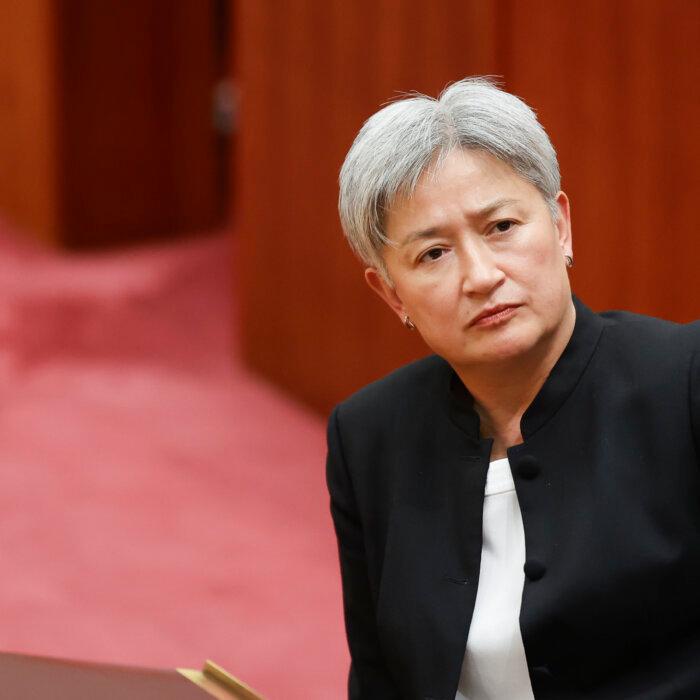
Wong stood by Herzog’s invitation, saying the Israeli president was invited to honour the victims of the Bondi attack and to show solidarity with Australia’s Jewish community.
“It is important, I think, for all, to remember the reasons why the government has listened to the request of the Jewish Committee,” she added.
Wadephul said in Germany, critiquing Israeli government policy was fine, and should not lead to fomenting anti-Semitism.
“We as the federal government feel a lasting commitment for this. But apart from that, it is clear that we criticise individual decisions by any Israeli government. This, however, must never lead to our questioning of our special relationship with Israel, and it must not lead to us giving cause for anti- Semitism anywhere in the world”, he added.
Pro-Palestinian groups have pledged nationwide protests next week in response to his visit.
Critical Minerals Partnership in the Works
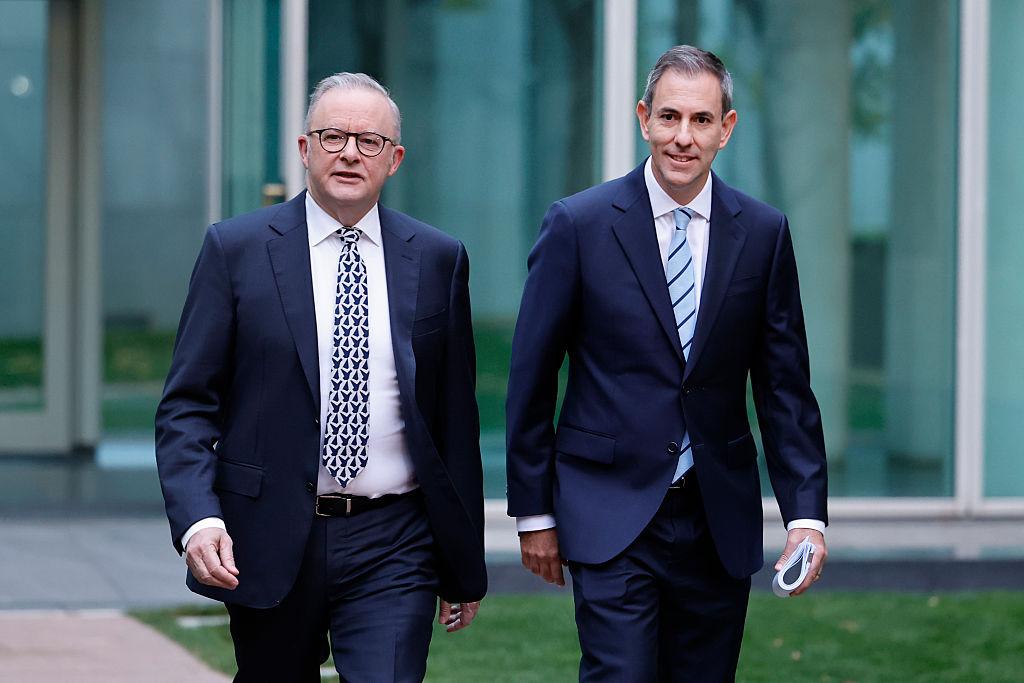
Meanwhile, the German and Australian leaders pledged to do more on critical mineral supply chains.“I think it’s time for us to put our money where our mouth is, and Germany knows about its dependencies. Germany is committed to diversifying supply chains,” Wadephul said.
“We must try to develop a system that is reliable and based on cooperation in the world. And the European Union is looking for partners for establishing this system, and I think we'll find them here in Australia,” he said.
The investment push comes as Western nations continue a push to diversify critical mineral supply chains away from China, which it currently dominates.
Critical minerals are needed for high technologies like electric cars, military hardware, and data centres.
Wadephul agreed that supply chain dependence had become a security problem for Europe, saying Germany learned hard lessons for relying too heavily on a single supplier—energy from Russia.
Concerns Over Nuclear Arms Treaty
The ministers were also questioned about global security, including the expiry of the New START nuclear arms treaty between the United States and Russia, and whether China’s nuclear build-up could contribute to a wider arms race.Wong said Australia’s position on nuclear non-proliferation remained unchanged.
“We have a long standing position on nuclear weapons, on nuclear Non Proliferation, and we will continue to advocate for any armaments control treaty that inspires must be cause for concern for us, that is also true for the recent developments,” she said.
Wadephul said China “keeps emphasising that they stand with multilateralism. They also have to show in the field of arms control that they are ready to show restraint and that they invest trust in international relations.”
“I do hope that this will be successful, and it is always true that Germany will abide by all international treaties that we concluded the because,” he added.
The United Nations has described the expiry of the New START treaty as a “grave moment for international peace and security.”