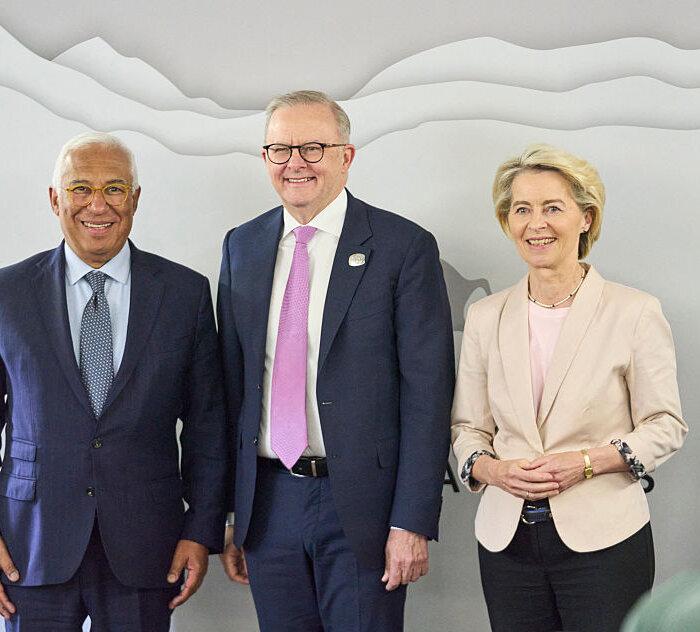
G7 leaders have concluded their two-day summit in Canada with seven joint statements covering a range of issues, including critical minerals, transnational repression, and the adoption of artificial intelligence.
The leaders also vowed cooperation to counter transnational repression that it said “often impacts dissidents, journalists, human rights defenders, religious minorities, and those identified as part of diaspora communities.”
They condemned all forms of such repression, including the misuse of cooperation with foreign states and international bodies to detain targets, forced return, doxing, and the abuse of spyware and cybertools for surveillance purposes.
“We also remain [focused on] threats by foreign states and their proxies to our citizens outside our borders, such as arbitrary detention,” the leaders stated.
To counter transnational repression, the G7 planned to create a “resilient and response framework” outlining coordinated measures to counter such threats and pledged to “redouble efforts” to protect sovereignty.
The leaders also released a joint statement outlining their plan to accelerate the adoption of AI in the public sector, which includes expanding AI-focused talent exchanges between the G7 nations.
Other joint statements highlighted the G7’s commitment to cooperation in advancing quantum technology, mitigating wildfires, and addressing migrant smuggling and human trafficking.
Although brief, the statement voiced support for Israel’s security, acknowledging its right to self-defense, while labeling Iran as a “source of regional instability and terror” in the region.
“We have been consistently clear that Iran can never have a nuclear weapon,” the leaders said in the statement.
They called for “the resolution of the Iranian crisis” and “a broader de-escalation” in the region, including a cease-fire in Gaza, where fighting between Israeli forces and Hamas terrorists has continued since Hamas launched a terror attack on Israel on Oct. 7, 2023.
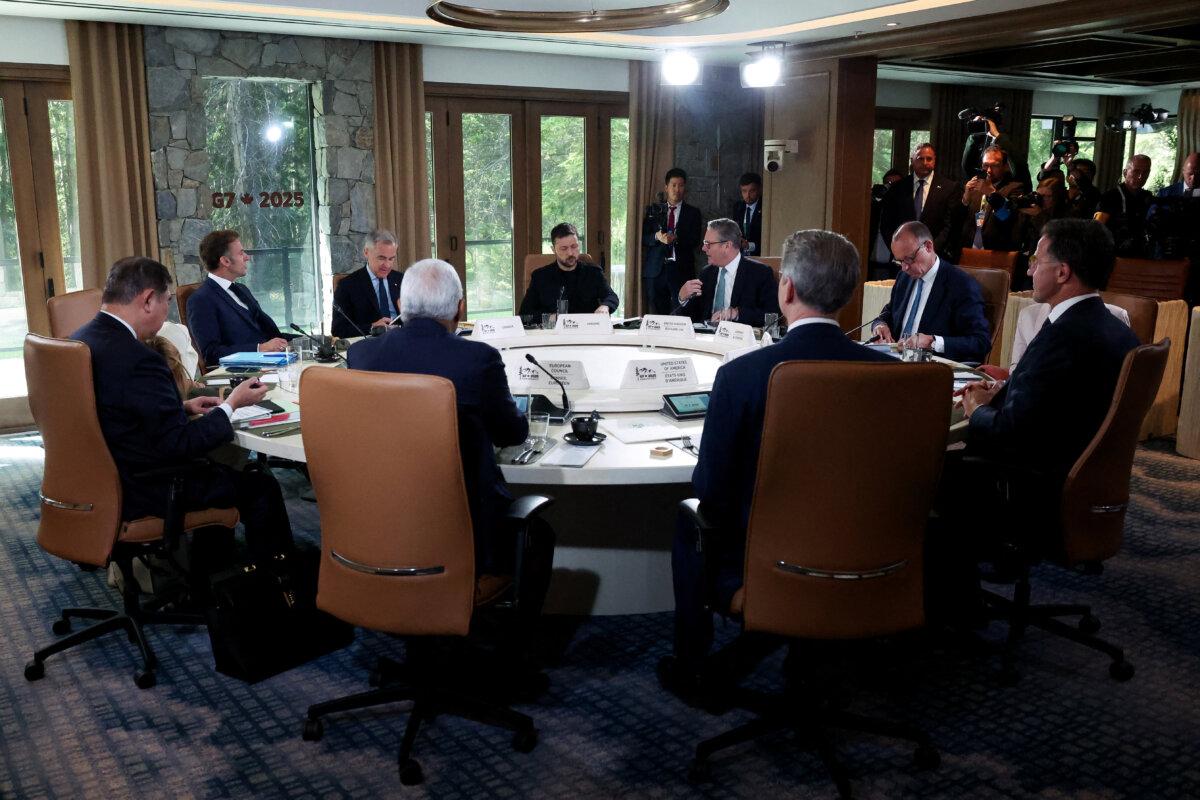
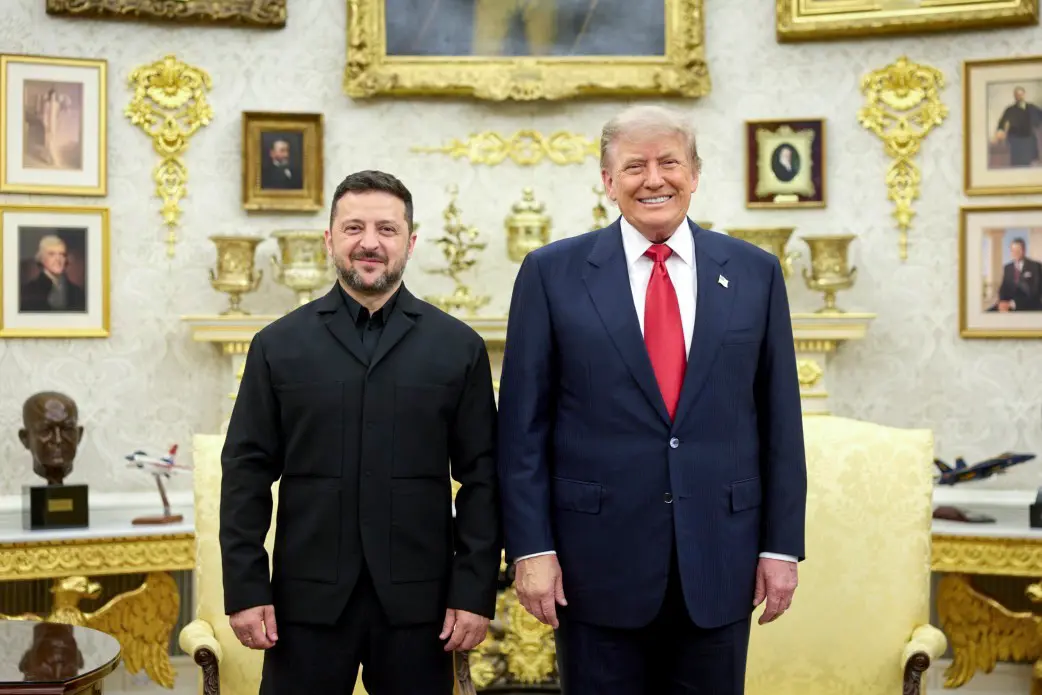
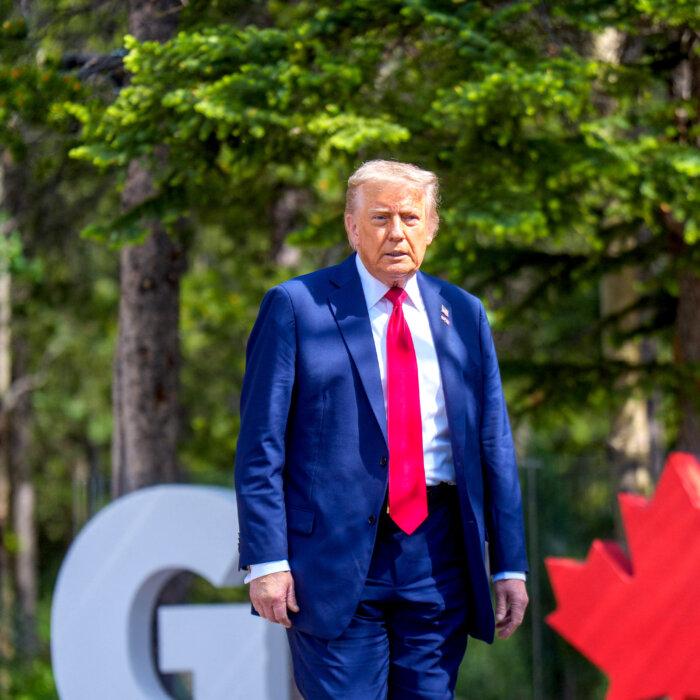
The G7 has not issued a joint statement addressing the Russia–Ukraine war. Ukrainian President Volodymyr Zelenskyy joined the summit after President Donald Trump left early because of tensions in the Middle East.
Carney said in his summary that the G7 leaders had “expressed support for President Trump’s efforts to achieve a just and lasting peace in Ukraine.”
“They recognized that Ukraine has committed to an unconditional ceasefire, and they agreed that Russia must do the same,” he stated, noting that the G7 remains “resolute in exploring all options to maximize pressure on Russia, including financial sanctions.”