Australians hoping for rate relief may not have to wait long.
At its July 9 meeting, the RBA kept the cash rate steady at 3.85 percent, with Governor Michele Bullock emphasising the pause was about “timing, not a change in direction.” The move was met with disappointment from the treasurer and retail association.
The bank is holding out for stronger evidence that inflation is falling for good, and expects the next round of data due in August to help confirm that. Once convinced, it says a rate cut will be back on the table.“The two monthly CPI indicators have been broadly consistent with our forecast for headline inflation and show that we’re moving in the right direction. However, some components suggest that underlying inflation in the June quarter could be a little higher than our forecast,” Bullock said at a post-meeting press conference.
She described the board’s cautious “cut, hold, cut” approach as a “sensible” way to manage inflation, dismissing suggestions that the RBA was flip-flopping.
Australia Has Done ‘Remarkably Well’: Bullock
Bullock defended the RBA’s record on inflation and unemployment, saying few would have predicted Australia’s current economic position two years ago.“I think Australia has done remarkably well. Who would have said two years ago that we’d be sitting here now with inflation at two-something and unemployment at 4.1 percent? Not many people,” she said.
Acknowledging the disappointment among mortgage holders, Bullock said she understood the pressure high interest rates were putting on households.
“I’m very conscious of that. I’m also really conscious that we don’t want to end up having to fight inflation again. We want to make sure we’ve nailed it,” she said.
RBA Board’s Vote Breakdown Revealed for the 1st Time
In a first for the institution, the RBA disclosed how its nine-member board voted on the cash rate—revealing that three members backed a rate cut.Bullock declined to say who voted in favour, or whether they were internal or external members, but welcomed the transparency.
“They’re unattributed votes, so I can’t tell you who voted what way,” she said. “What I can say is that what it demonstrates, I hope, is that there was really good active debate in the boardroom about the pros and cons of holding and easing.”
She said those in favour of a cut had a “slightly softer reading” of the inflation data and were more concerned about downside risks, particularly from international developments.
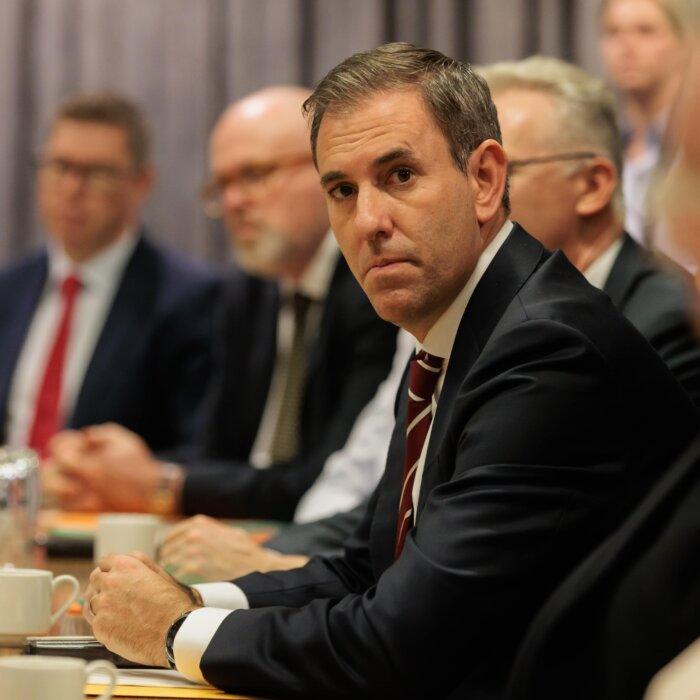
Treasurer Jim Chalmers welcomed the disclosure, describing it as “an appropriate level of transparency.”
Not What Australians Were Hoping For: Chalmers
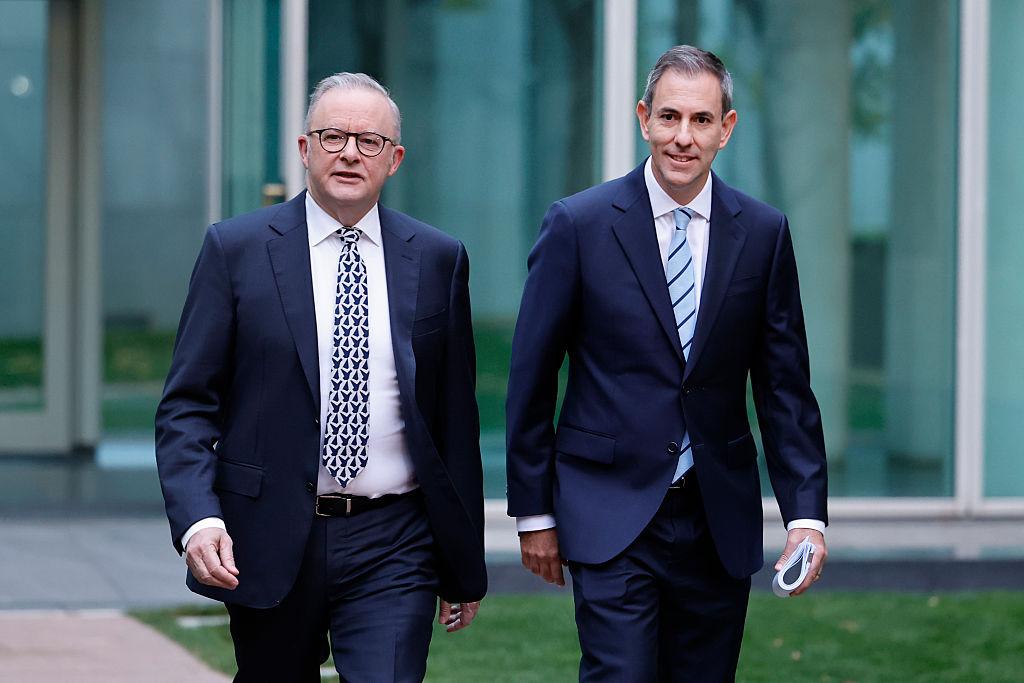
Chalmers refused to offer a personal view on whether the board made the right call.“I don’t second guess decisions taken independently by the bank or its board. I don’t make predictions or pre-empt future movements in interest rates,” he told reporters in Canberra.
However, he acknowledged that the decision to leave rates unchanged would disappoint many Australians.
“This is not the result millions of Australians were hoping for or what the market was expecting,” he said, pointing to the two rate cuts already delivered this year.
The Australian Retailers Association said on July 9 that the decision was a “missed opportunity.”
Coalition Blames Labor for Prolonged Rate Pain
Shadow Treasurer Ted O’Brien said interest rates had been “too high for too long” under the Albanese government, accusing Labor of fuelling inflation with excessive public spending.“This is a direct consequence of Labor not being able to manage money.”
He added that the RBA’s task was being made harder by persistent government spending.
“As the RBA itself has recognised, public sector spending is only leading to homegrown inflation. Until Labor reinstalls fiscal discipline, the RBA’s job will only get harder,” he said.