Inflation rose to 4.6 percent in the year to March 2026 as Australians faced higher fuel prices amid conflict in the Middle East.
Data from the Australian Bureau of Statistics (ABS) data, released on April 29, showed annual Consumer Price Index (CPI) inflation reached its highest level since September 2023.
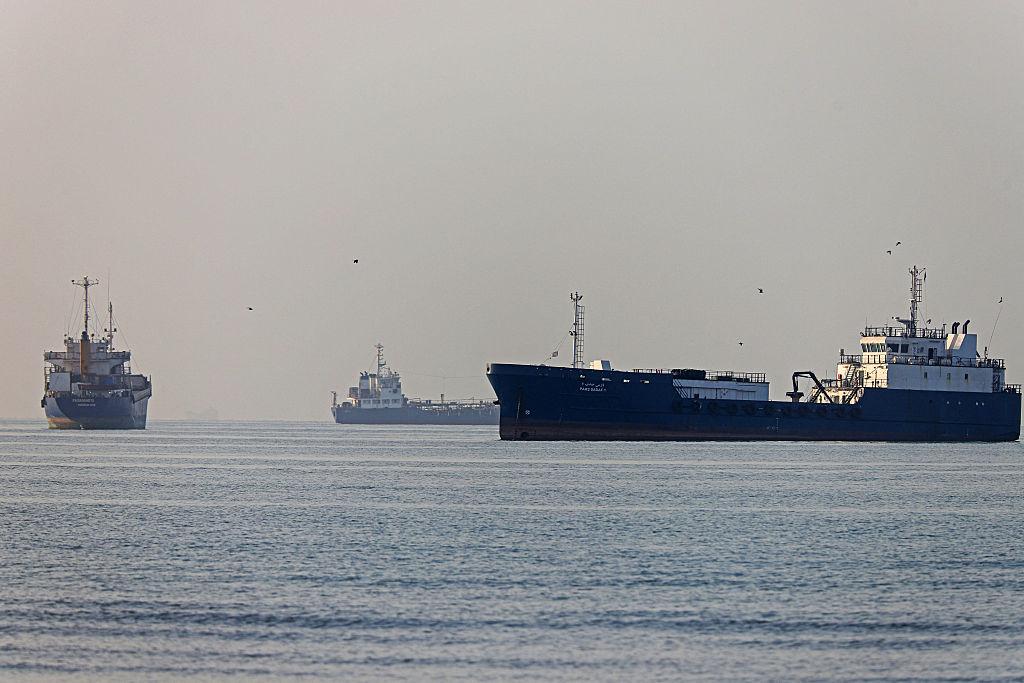
The monthly CPI rose 1.1 percent in March, driven largely by a sharp 32.8 percent surge in automotive fuel prices.
The average price for regular unleaded petrol jumped by 33 percent over the month, rocketing from 171 cents per litre in February to 228 cents per litre in March.
Energy Costs Push Inflation To Two-Year High
ABS head of prices statistics Sue-Ellen Luke warned that the annual inflation rate had climbed to its highest point in more than two years.

“The increase in March is the largest monthly increase since the series began in 2017, reflecting the impact of the conflict in the Middle East on fuel prices,” she said.
Housing was also a major contributor to annual inflation, rising 6.5 percent over the year, while electricity costs were 25.4 percent higher than a year ago.
The ABS said higher electricity costs were partly driven by the removal of federal and state rebates.
RBA Due To Make Decision on Rates on May 5
The latest data comes just days ahead of the Reserve Bank of Australia’s next interest rate decision on May 5, 2026.Economists at the big four banks are widely predicting a 25 basis point rate rise.
In a research note ahead of the inflation release, ANZ head of Australian economics Adam Boyton predicted one more rate hike would likely be sufficient.
He warned that bringing inflation back to target quickly could lead to higher unemployment and weaker job growth.