Australians should prepare for fuel prices to rise from July, with the federal government signalling that its temporary fuel excise cut will end as scheduled at the end of June despite ongoing instability in the Middle East.
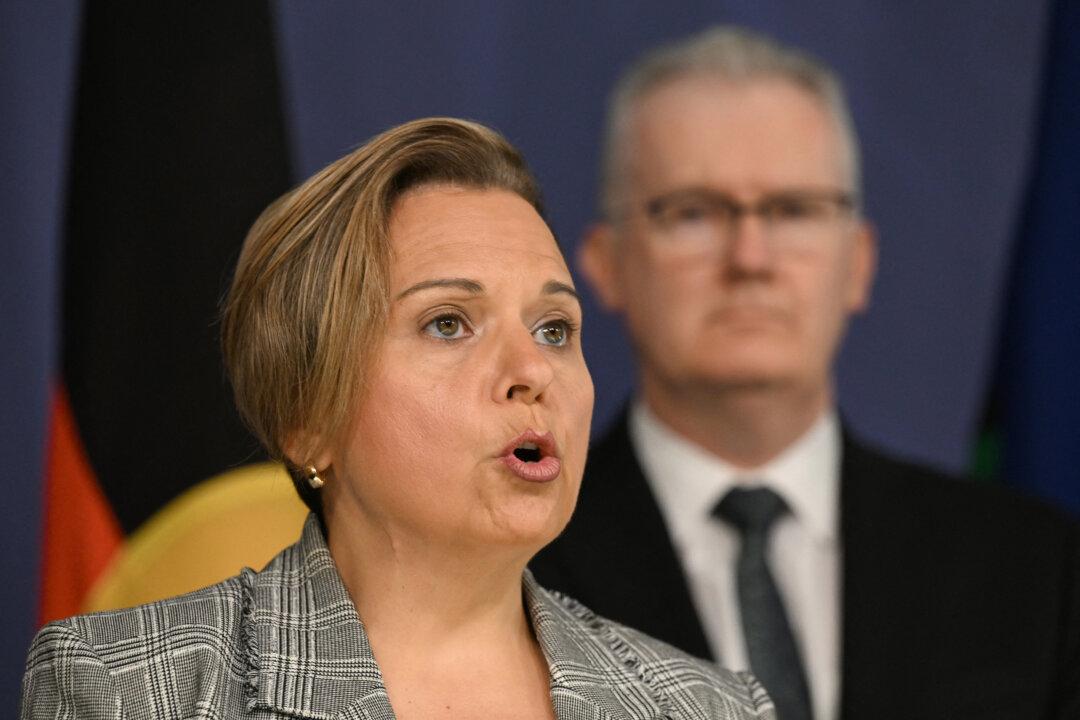
Transport Minister Catherine King said the government had no plans at this stage to extend the measure, which was introduced earlier this year to ease pressure on households and businesses following disruptions to global energy markets.
“Obviously, the fuel excise finishes in June. The road user charger does as well,” she told ABC Radio on June 10.
“We’re consulting, obviously, with industry about the impact of that, but people should at this stage expect that it’s coming off at the end of June.”
The temporary relief package was introduced after the conflict between Iran, Israel and the United States disrupted shipping through the Strait of Hormuz, a key global transit route for oil and gas.
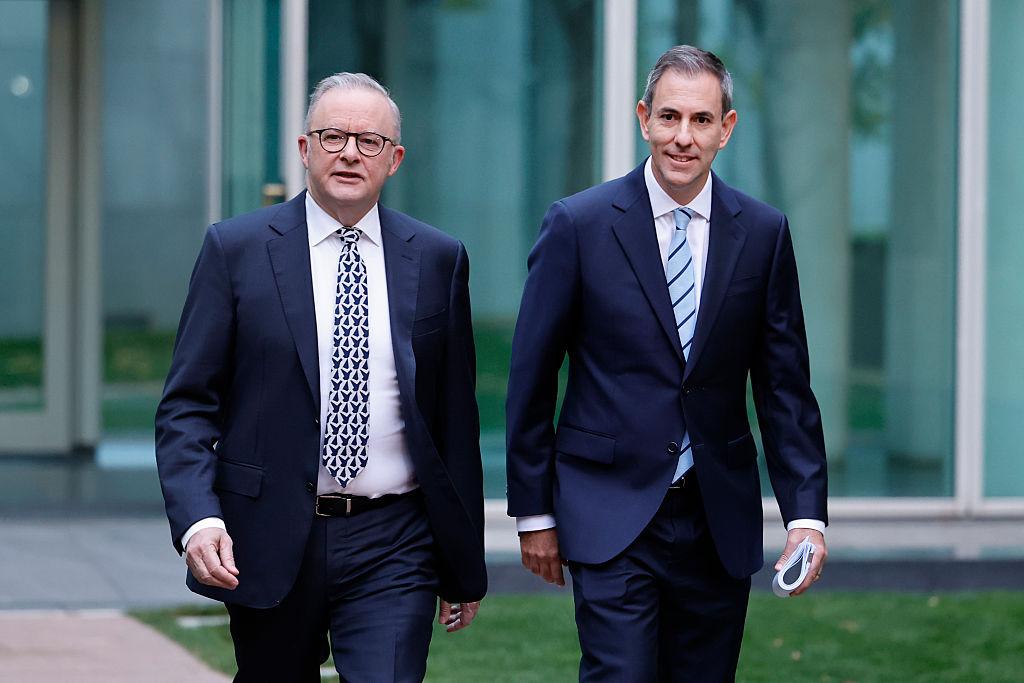
Following a National Cabinet meeting on March 30, Prime Minister Anthony Albanese announced a temporary reduction of 26.3 cents per litre in fuel excise, alongside a four-stage fuel security plan aimed at managing supply risks.
The government also waived the heavy vehicle road user charge for three months and postponed a scheduled increase in the charge by six months to reduce pressure on freight operators.
King said government efforts to strengthen fuel security had helped secure additional supplies, but warned price pressures remained a challenge.
“We are doing everything we can to shield Australians from this conflict in the Middle East,” she said.
“Supplies obviously been secured because of that hard work that we’ve done, but the prices continue to create an impact for people as well.”
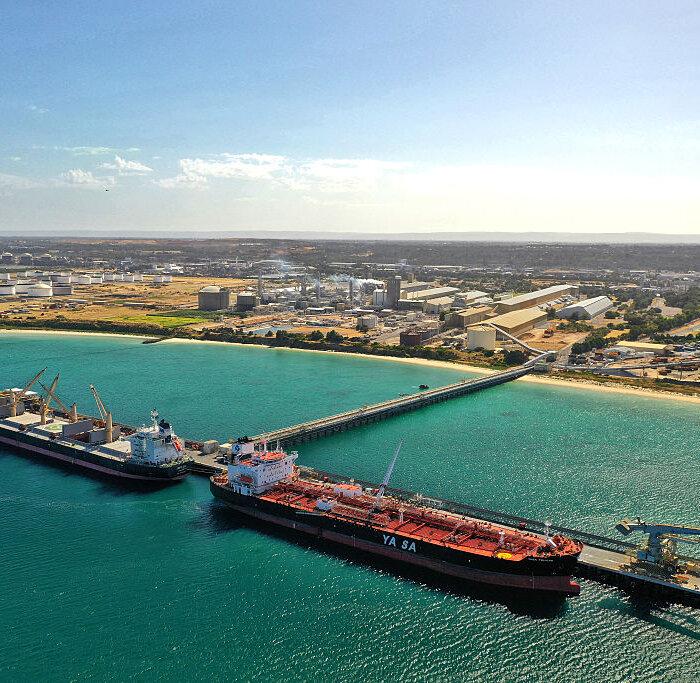
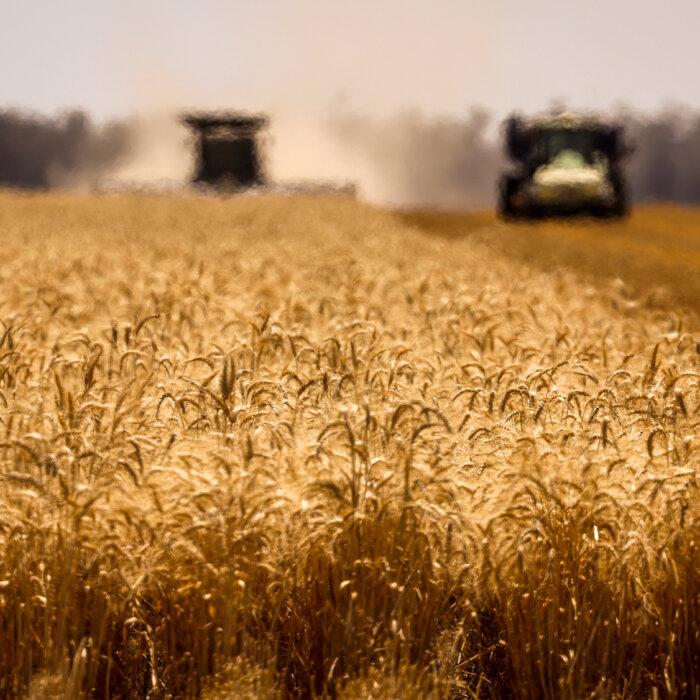
The latest fertiliser shipment was arranged through a partnership between the government and Summit Fertilisers, while BP Australia helped secure the diesel cargo bound for Perth.
The announcement forms part of a broader effort to strengthen Australia’s fuel and fertiliser reserves amid concerns about supply disruptions linked to tensions in the Middle East.
“Obviously, we know that we need diplomatic solutions to the conflict in the strait of Hormuz, and we want to urge all parties to continue to negotiate that,” she said.
“I understand this is a pretty fragile ceasefire, and you’re seeing that borne out, unfortunately, this morning.”