New Caledonia’s oldest pro-independence political party, the Union Calédonienne (UC), has rejected a plan which would have seen a compromise to bring peace and stability to the troubled Pacific island nation, a territory of France since 1853.
There followed a series of three referenda, in 2018, 2020, and 2021, with the first two showing a narrowing margin for staying with France. The third resulted in a large majority vote against independence, largely due to a boycott by indigenous Kanak leaders following the COVID-19 pandemic.
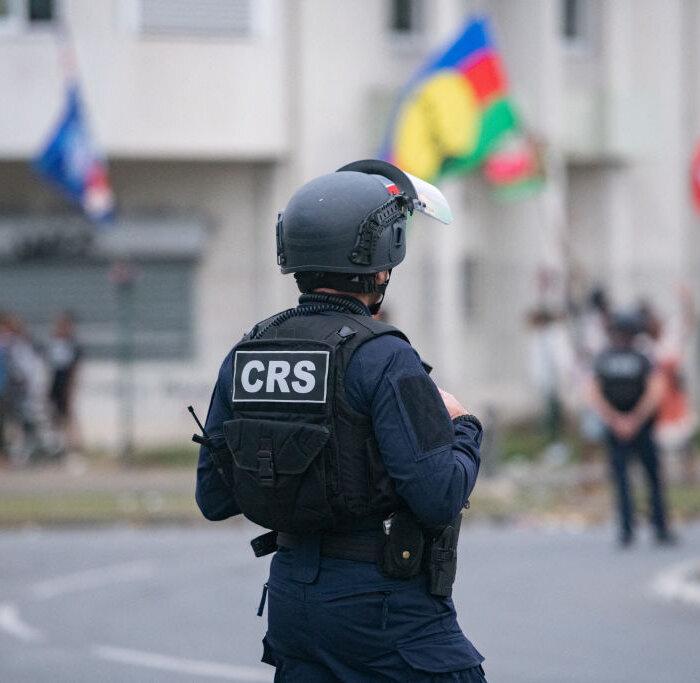
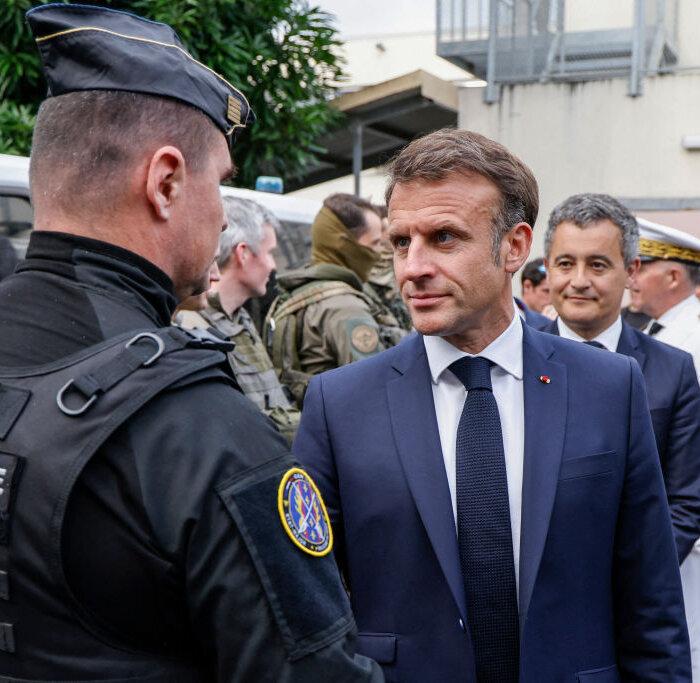
French President Emmanuel Macron made an emergency visit and announced that talks would be held this year, aimed at settling the situation permanently.

And so, on July 12, when 18 New Caledonia loyalist and independence leaders emerged from a summit after 10 days of negotiation—saying they had reached an agreement—it looked as though 172 years of violence and strife had come to an end.
Pro-Independence Movement Not Keen on Accord
But it fell short of granting the territory independence from France. Delegates from the various pro-independence groups who attended, including those from the UC, were optimistic that the deal would find acceptance among their members, though all the leaders publicly described the Bogival Accord as a compromise, saying that no one was 100 percent satisfied.Independence leader Emmanuel Tjibaou predicted that “delegations will be insulted and threatened” by supporters over aspects of the agreement, which he called “a necessary convergence of interests, saying much about the strong attachment of both sides to the territory.”
Leaders from both the loyalist and pro-democracy factions did receive thinly veiled death threats from their more militant supporters and were put under police guard upon their return to Nouméa. But it was hoped they could sell the Accord to the majority of their members.
That hope is fading, however, with one of the main players in the UC—a central pillar of the FLNKS—indicating they disapprove of their negotiators having signed the Accord. UC held its executive committee on July 21, its steering committee on July 26, and FLNKS convened its political bureau on July 23; all concluded in a rejection of the Bougival document.

Speaking at a news conference on Thursday (July 31), the group’s leaders made it clear that they “formally reject” the agreement because they see it as a “lure of sovereignty” which does not guarantee either real sovereignty or political balance.
Tjibaou, the FLNKS chief negotiator who is also UC’s chair, said he “didn’t have a mandate to sign a political agreement” but rather to “register the talks and bring them back to our people so that a decision can be made ... it didn’t mean an acceptance on our part.”
He called the Accord a “temporary” document, subject to further discussions, and claimed some of his delegations’ amendments “went missing” from the final text.
French Minister’s Response
French Minister of Overseas Manuel Valls said, via French media, that he asked UC to consider its “great sense of responsibility.”“If tomorrow there was to be no agreement, it would mean the future, hope, would be put into question,” he warned. “Investment, including for the nickel mining industry, would no longer be possible.”
“I’m not giving up. Union Calédonienne has chosen to reject, as it stands, the Bougival accord project. I take note of this, but I profoundly regret this position.”
“An institutional void would be a disaster for [New Caledonia]. It would be a prolonged uncertainty, the risk of further instability, the return of violence,” he said. “But my door is not closed and I remain available for dialogue at all times. Impasse is not an option.”