France’s overseas minister Manuel Valls is in New Caledonia after a landmark peace deal unravelled, with a major pro-independence group rejecting it despite having signed an accord.
Failure of the agreement risks a repeat of the riots of last year, which led to 14 deaths and over €2 billion (US$2.33 billion) in material damage.
When 19 delegates, representing pro- and anti-independence parties, signed the Bougival Accord in July this year, it was announced as a roadmap to peace—a chance to end a conflict that began in 1975 when indigenous Kanaks first demanded independence, and that has often turned violent in the 50 years since.
The Bougival Accord, a 13-page agreement, committed the French government to officially recognising a “State of New Caledonia” within the French Republic, with residents holding both French and New Caledonian nationality.
Paris also pledged to transfer much of its power to the local Congress, including foreign affairs, and to give more powers to the three provinces—South, North, and the Loyalty Islands.
But almost immediately, delegates faced death threats from their supporters back home and were placed under police protection.
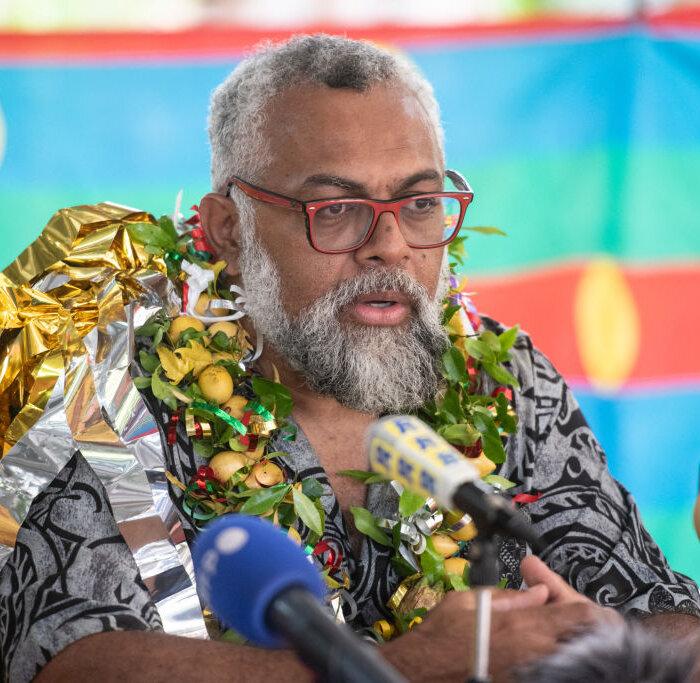
The Kanak Socialist National Liberation Front (FLNKS), the main pro-independence bloc, declared the agreement “humiliating” and invalid, saying its delegates had no mandate to sign, because the agreement was incompatible with the movement’s objectives.
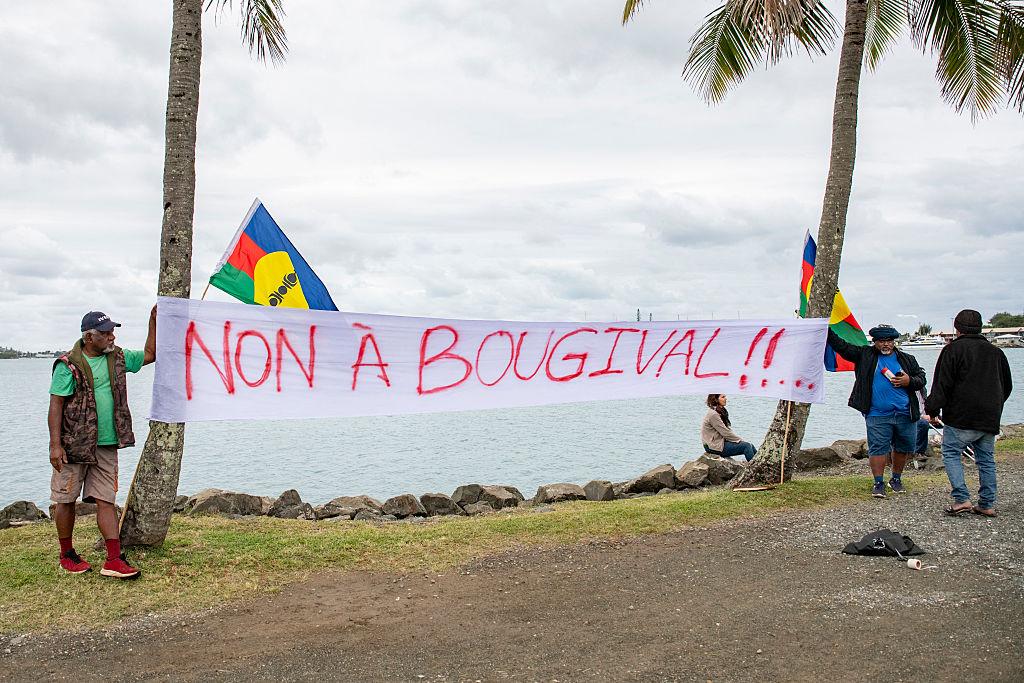
One of its major objections is the inclusion in the agreement of a provision granting voting rights to residents who have lived in New Caledonia for at least 10 years, beginning with the 2031 provincial elections.
Kanak activists say this will add hundreds of settlers from mainland France to the electoral roll, strengthening pro-French parties—the same issue that sparked last year’s riots.
The FLNKS has agreed to continue negotiating with France, but only outside the framework of the Bougival Accord, excluding loyalist pro-France parties.
They also insist that any negotiation conclude before the 2027 French Presidential elections, when all remaining powers would be transferred to New Caledonia.
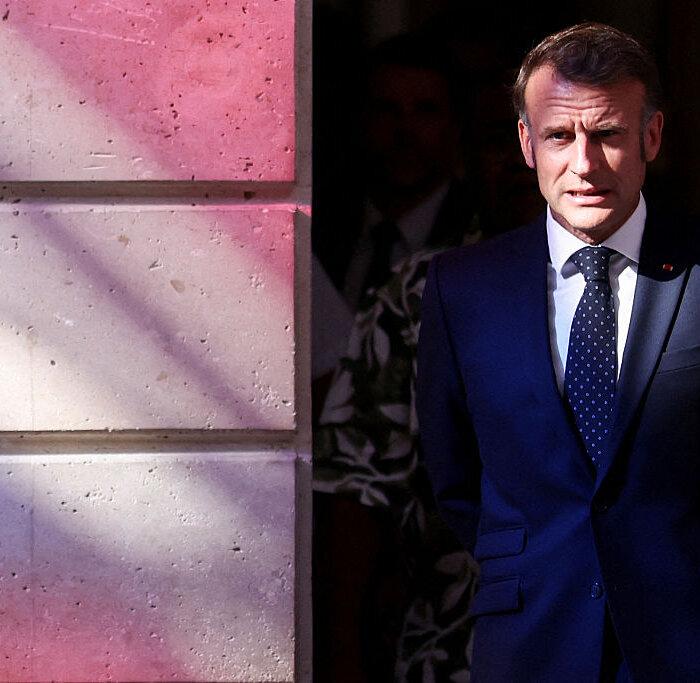
French Overseas Minister Valls, who arrived on Aug. 20 for a four-day visit, said he would meet with the FLNKS and other political leaders, provincial presidents, local mayors, and the Customary Senate of tribal chiefs.
He also promised to “explain and convince” as many New Caledonians as possible that the accord is the best way forward.
Despite the rejection, he is pressing ahead with the agreed timeline. A new drafting committee will be convened to prepare the legal texts needed to implement the Bougival commitments, including a “fundamental law” that would serve as New Caledonia’s constitution.
The French government has again delayed New Caledonia’s provincial elections, originally due in November, to no later than June 28, 2026. The FLNKS is demanding that the vote proceed on schedule.
Caught between hardened FLNKS demands and pro-French and moderate independence parties backing the accord, Valls is under pressure to keep the peace process alive.
The pro-French bloc says the Bougival agreement remains the best way to secure political stability, warning that FLNKS' demands amount to “blackmail” and could trigger more violence.
Earlier this week, Valls wrote on social media that he did not want to “force” the agreement, but that “there is no credible alternative. The Bougival agreement is an extraordinary and historic opportunity.”