The French Parliament cleared the way for the country’s 2026 budget on Feb. 2 after two no-confidence motions failed, allowing Prime Minister Sebastien Lecornu’s minority government to claim a fragile victory following nearly two years of political turmoil.
The final votes, recorded on the National Assembly’s website on Feb. 2, brought to a close a protracted budget standoff that had rattled financial markets in Europe’s second-largest economy.
Lecornu’s government used special constitutional powers to pass the budget without a full parliamentary vote, triggering the no-confidence motions that opposition parties were entitled to file. When the final two motions failed to secure a majority on Feb. 3, after the Socialist Party lawmakers said they would not back them, the bill was deemed adopted.
“France finally has a budget. A budget that makes clear choices and addresses essential priorities. A budget that contains public spending and does not raise taxes for households and businesses,” Lecornu said in a Feb. 2 post on X.
He added that the budget came as a result of “parliamentary compromise, incorporating amendments from all groups,” and said he was referring the law to the Constitutional Council to ensure compliance with the constitution.
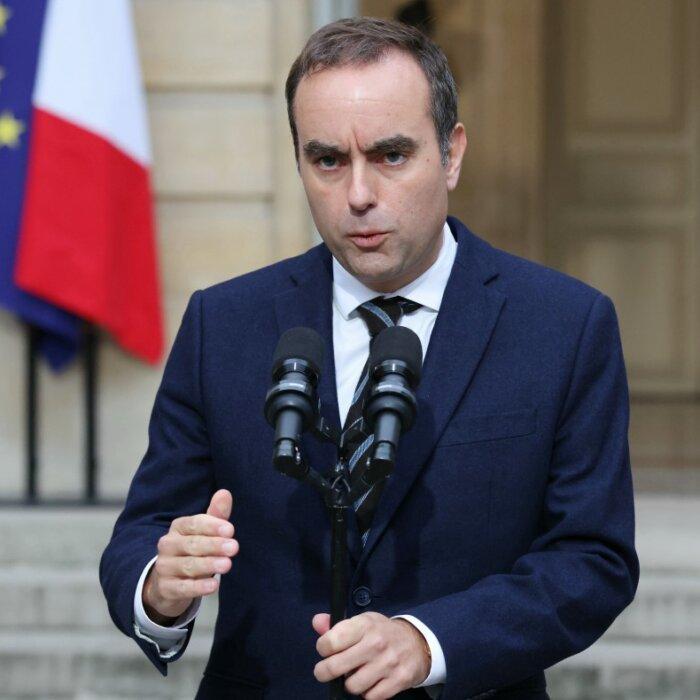
“It is on the basis of a compromise budget that we have made the decision not to censure the Government,” Socialist Party lawmaker Herve Saulignac said in a Feb. 2 post on X. “This is neither a blank check, nor a renunciation, nor a final settlement. Our hand has never trembled when promises were not kept.”
Lecornu said the budget was focused on defense.
“The political heart of this budget lies in the military effort. This budget is a wake-up call,” he said in a Jan. 28 post on X. “That’s enough to make it a good budget. Because a good budget addresses the essentials. Defense and protection of our freedom and our interests are part of what is essential.”
The government projects the public deficit will narrow to 5 percent of GDP in 2026, down from 5.4 percent in 2025 and 5.8 percent in 2024, Lecornu said in a Jan. 31 post on X. Public spending is expected to fall to 56.6 percent of GDP from 56.8 percent in 2025.