


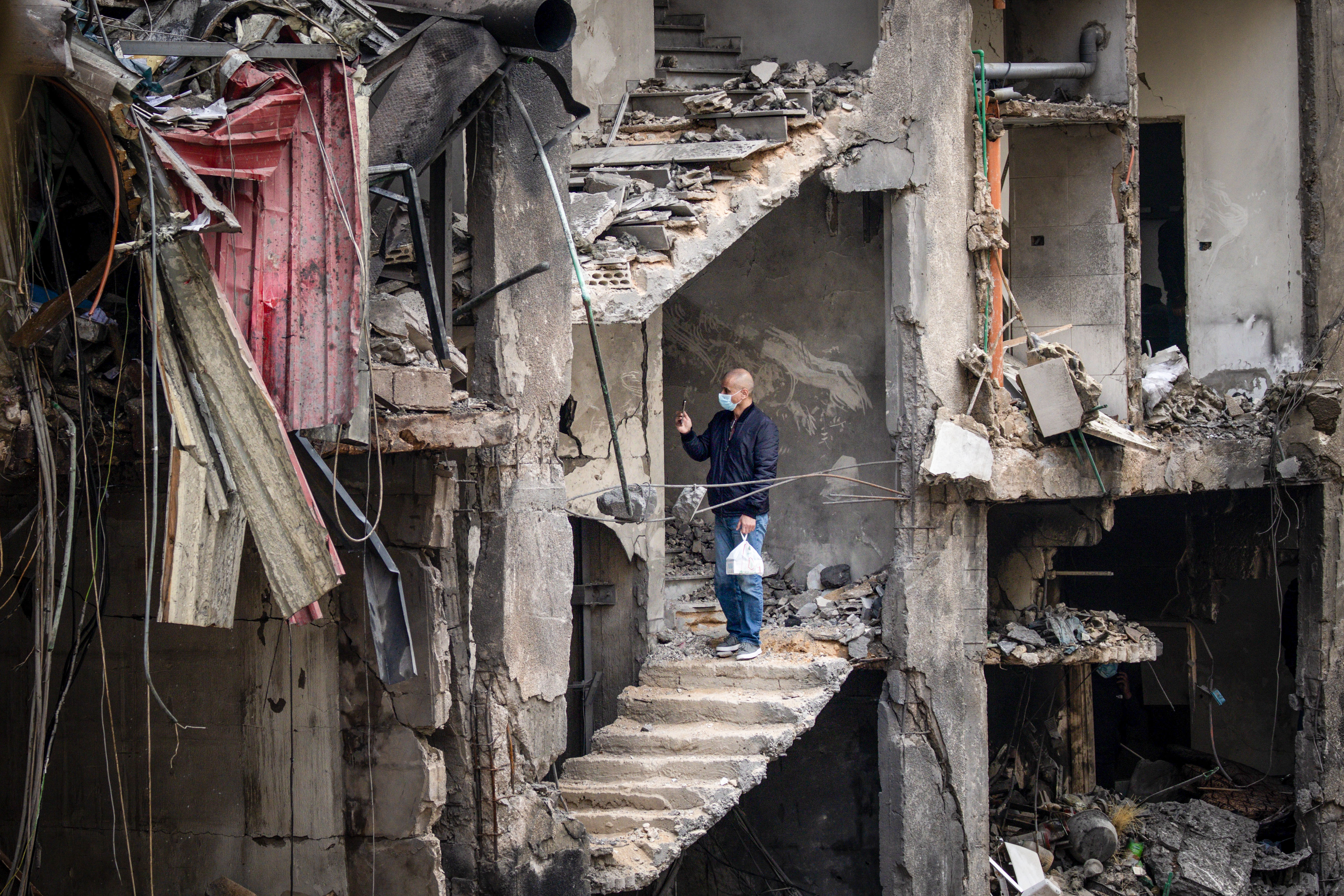







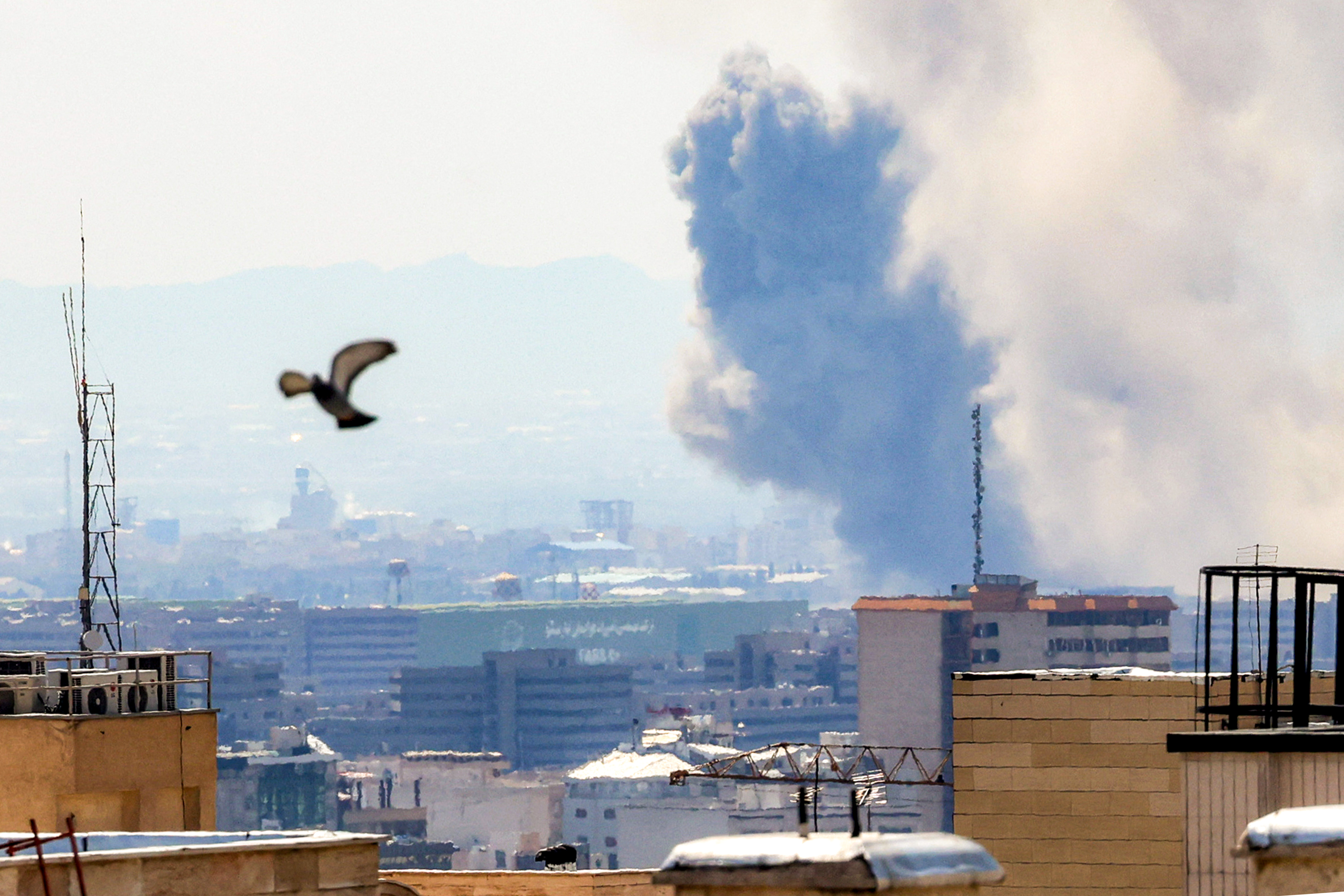
A tentative two-week pause in U.S.–Israel hostilities with Iran was announced by U.S. President Donald Trump on April 8 at 4:30 a.m. local Tehran time—less than 90 minutes before Trump’s deadline to target power plants and other infrastructure expired.
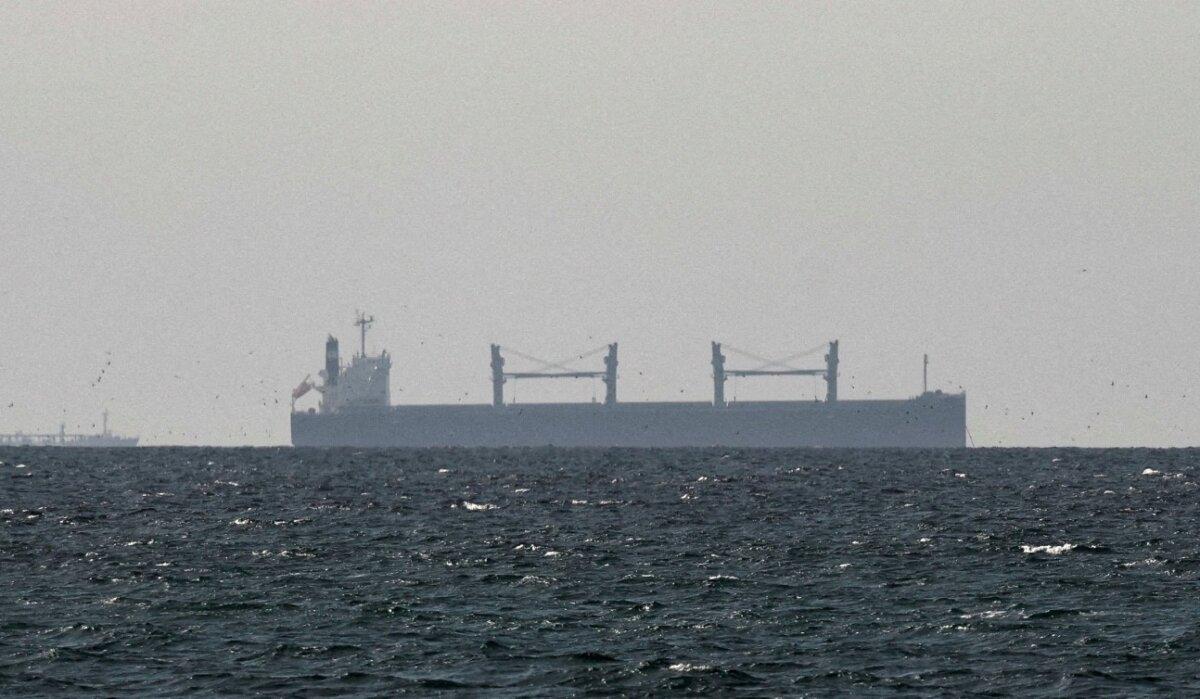
However, there remain uncertainties and conflicting statements about who is agreeing to what. As of 6 p.m. ET on April 8, Iran was still reported to be firing missiles and drones at Israel and some Gulf states; Israel maintained that the ceasefire doesn’t include its war against Hezbollah in Lebanon; Iran said global ship traffic access to the Persian Gulf through the Strait of Hormuz is something it can negotiate; Iran may—or may not—have been allowing international inspectors to retrieve whatever enriched uranium it has, and the Trump administration said a 10-point plan that Iran revealed on April 8 is different from the proposal that the president called “workable” the day before.
Face-to-Face Talks Start Saturday
Vice President JD Vance and special envoys Steve Witkoff and Jared Kushner will be in Islamabad, Pakistan, for direct talks with Iranian representatives beginning on April 11.

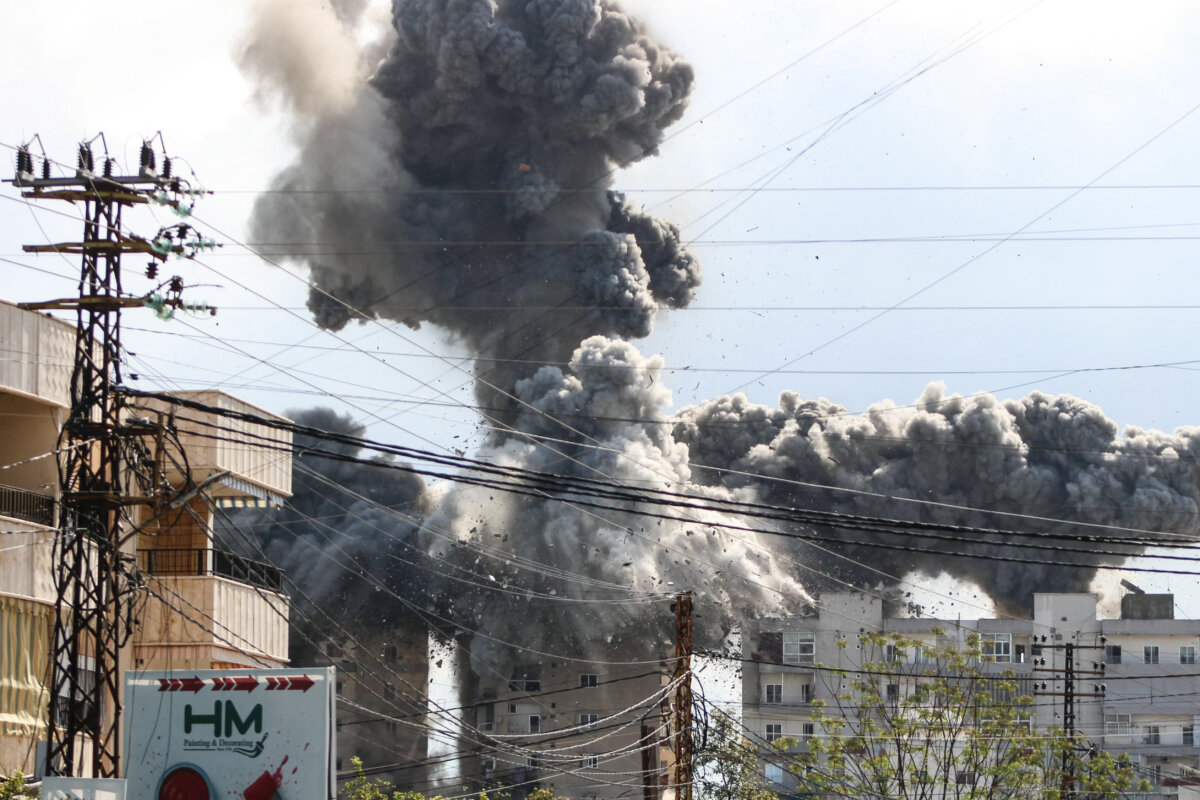 Smoke and debris rise after a building is hit by an Israeli airstrike in the area of Abbasiyeh, on the outskirts of the southern Lebanese city of Tyre, on April 8, 2026. (Kawnat Haju/AFP via Getty Images)
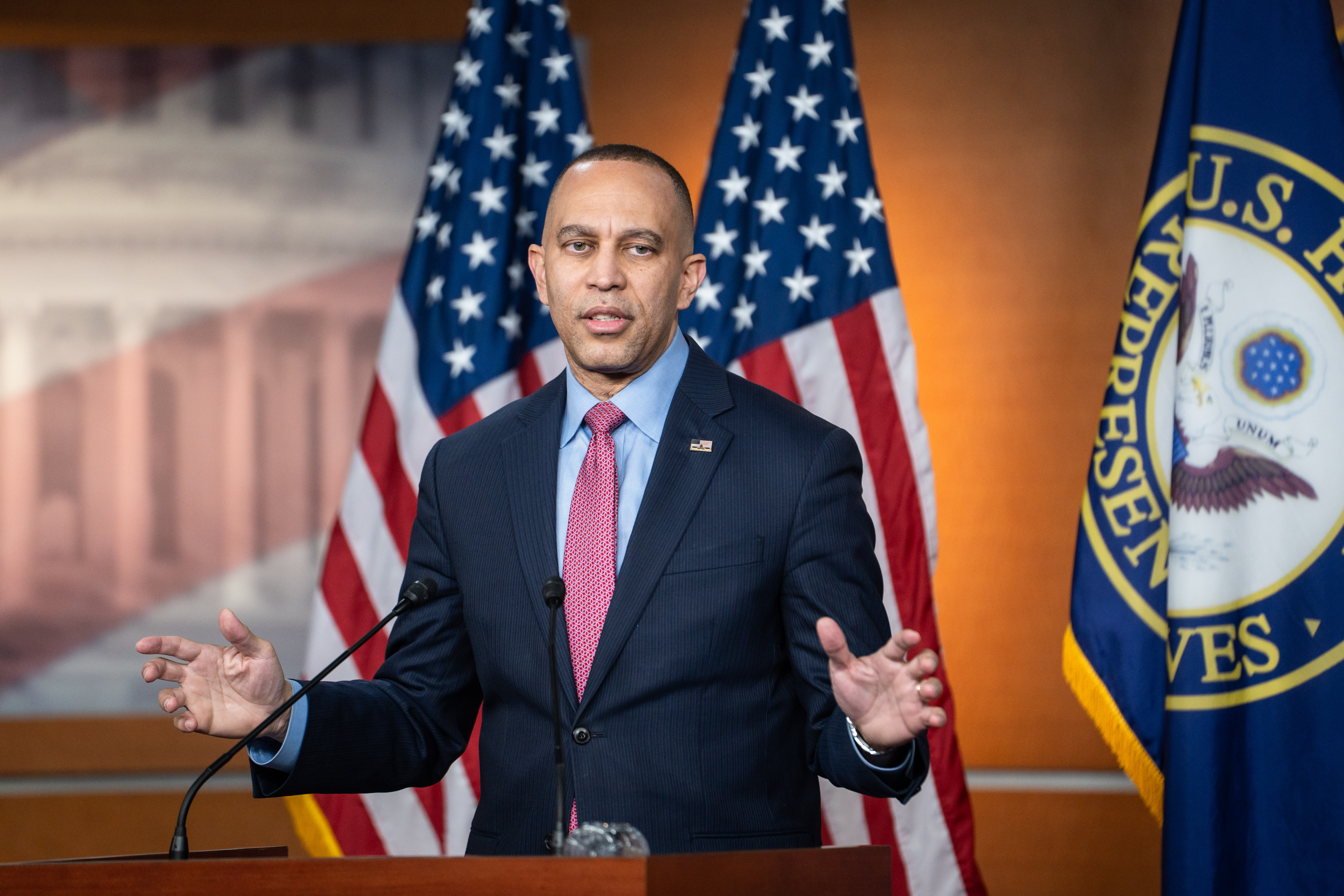
WASHINGTON—Congressional Democrats will try to place guardrails on the Iran war when the floor is briefly open during a two-week break for Easter.
House Minority Leader Hakeem Jeffries (D-N.Y.) detailed his intentions in an April 8 letter to colleagues.
During an April 9 session that would normally be a formality, Democrats will seek to advance a War Powers Resolution on Iran through unanimous consent. It’s a maneuver that House Republicans can easily block.
