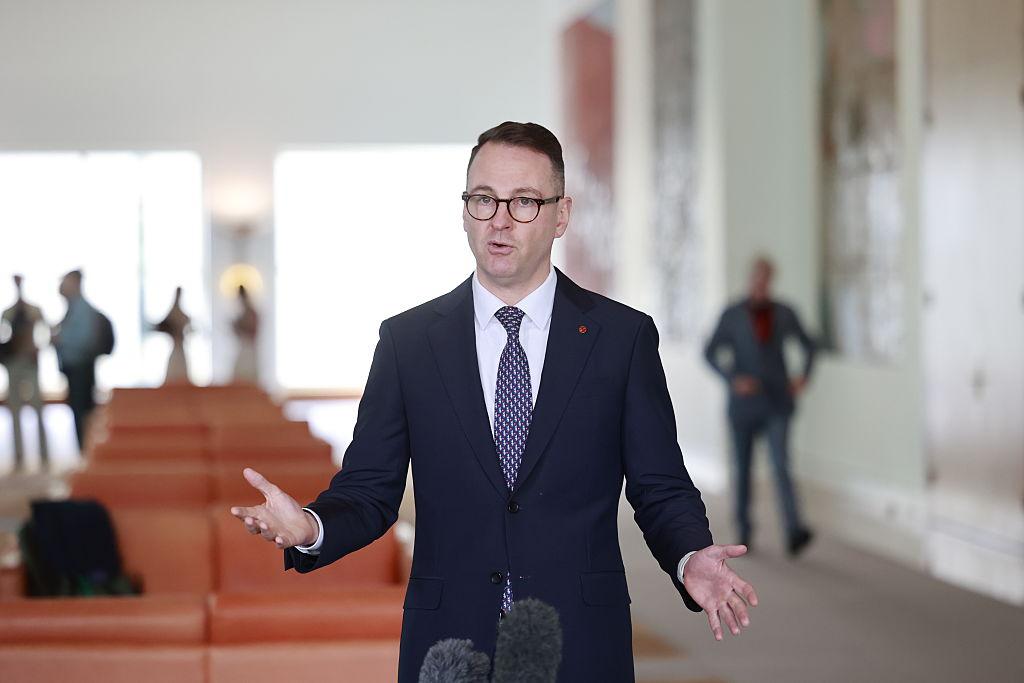
Former Victorian Chief Health Officer Brett Sutton said he would accept society’s decision to never go into lockdown again.
Melbourne residents were subject to one of the world’s longest lockdowns of 262 days, while Sutton was in charge of health, and Daniel Andrews was Premier of Victoria.
In July, Sutton appeared to defend Victoria’s elimination strategy of the virus and lockdown measures, but suggested masks and vaccines may be more effective than lockdowns in the future.
“I think you can manage public health and social measures a number of different ways, but it’s pretty clear that if you’ve eliminated the virus across the country and you need to eliminate it in the last place where it exists so that we can all move about freely, then it’s reasonable to have those social distancing measures—you know instituted, including lockdown.
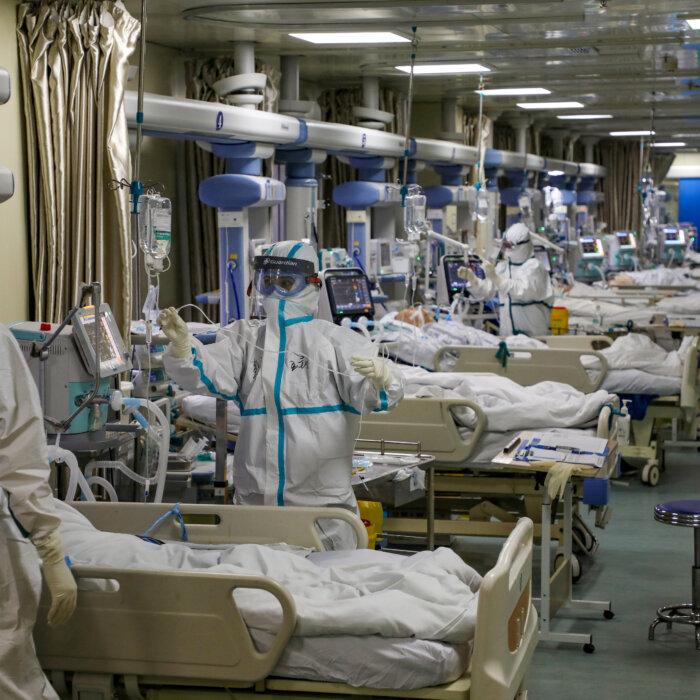
“And maybe we will agree as a society that we never want to do that again. I’m okay with that.”
At the time of Victoria’s second wave lockdown in early July 2020, most other states and territories had eliminated or contained local transmission.
Sutton maintained an open mind about future strategies, suggesting it would depend on the seriousness of the virus.
“If a pandemic came and it was killing 10 percent of us, I think many of us would say we need to do something really robust here,” he said.
Sutton Says Masks ‘Work Well’
Sutton said “no” when asked if he still wears a mask, but insisted they are effective.“Of course they are good, [they] work well,” Sutton said.
However, he said elbow shaking was probably never necessary and insisted COVID was more likely to spread through breath than surfaces.
“They’re the things that we learn as we go,” he said.
“Through influenza pandemics and 100 years of understanding infectious diseases, we had overemphasised the idea that it‘ll pass through surfaces or handshakes or droplets spread, when the reality is, it’s in our breath and it’ll spread if we’re in close proximity.”
Questions About Public Health Advice
During multiple COVID lockdowns, former Premier Andrews consistently said decisions were based on public health advice.However, it later emerged that the curfew was a personal decision of the then Premier.
For instance, playground restrictions were enforced by state and territory governments despite evidence of limited transmission risk, the report (pdf) stated.
Sutton declined to comment on the Victorian government’s decision to close playgrounds and the 5 km radius travel limit during lockdown.“People were required to drastically change their behaviour so that public health measures designed to protect Australian lives from a deadly virus would be successful. There were impacts on freedoms and human rights,” the report stated.
Looking to the future, the report recommended that human rights considerations should be embedded into the National Cabinet’s decision-making processes, “particularly where measures are intended to significantly restrict rights and freedoms.”