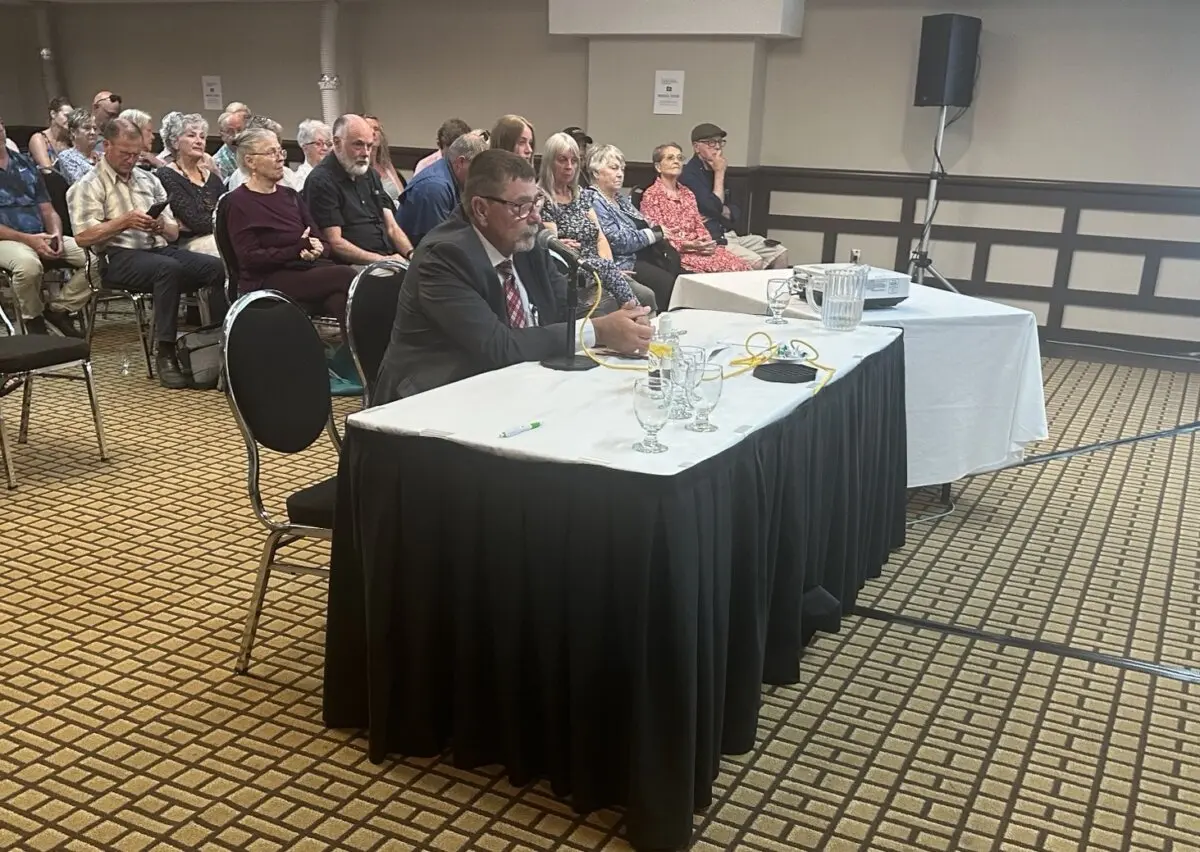
CHARLOTTETOWN–Prince Edward Island needs a new approach to land acquisition regulations amid today’s national security realities and Beijing’s subversion attempts, a former senior officer with the RCMP told a provincial hearing in Charlottetown on July 6.
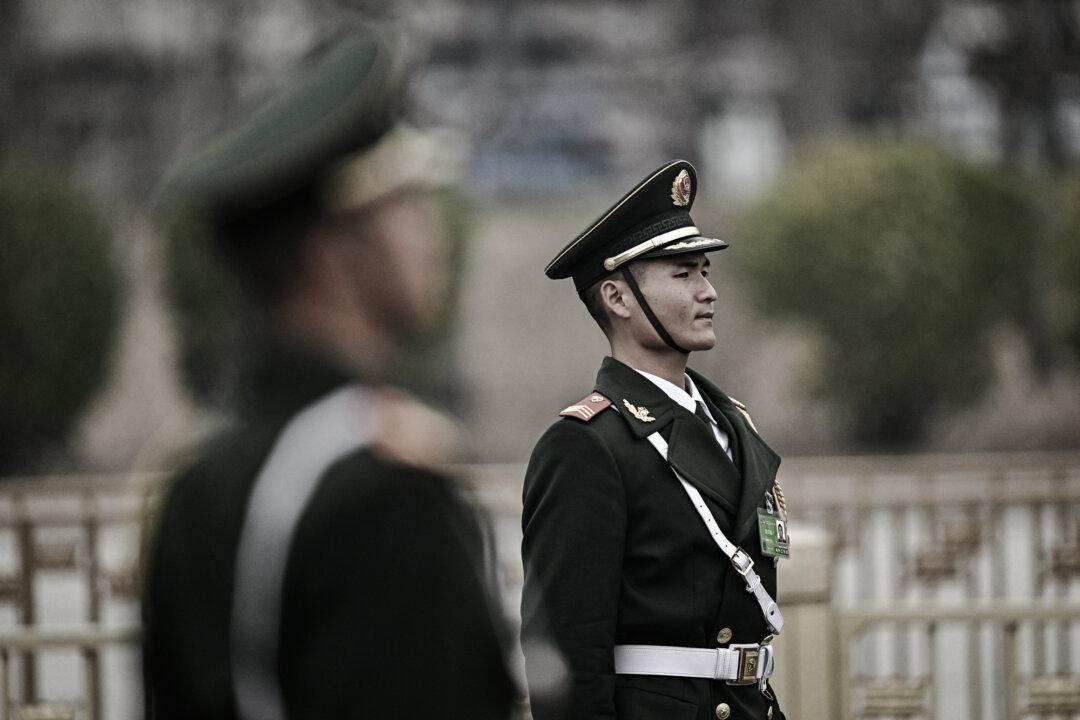
Gary Clement, former national director of the RCMP’s Proceeds of Crime program, said that the Chinese Communist Party (CCP) is “one of the most ruthless transnational organized crime groups we’ve ever faced” and that the province needs a more comprehensive approach when it comes to land ownership to protect public interest.
“The objective should not be more regulation. The objective should be smarter regulation,” Clement told a panel of the members of the Review of the Island Regulatory and Appeals Commission.
The commission’s formation follows revelations by a provincial legislative committee last year that IRAC didn’t publish a report on a 2016–2018 investigation related to major land acquisitions on the island by the groups Great Enlightenment Buddhist Institute Society (GEBIS) and the Great Wisdom Buddhist Institute (GWBI).

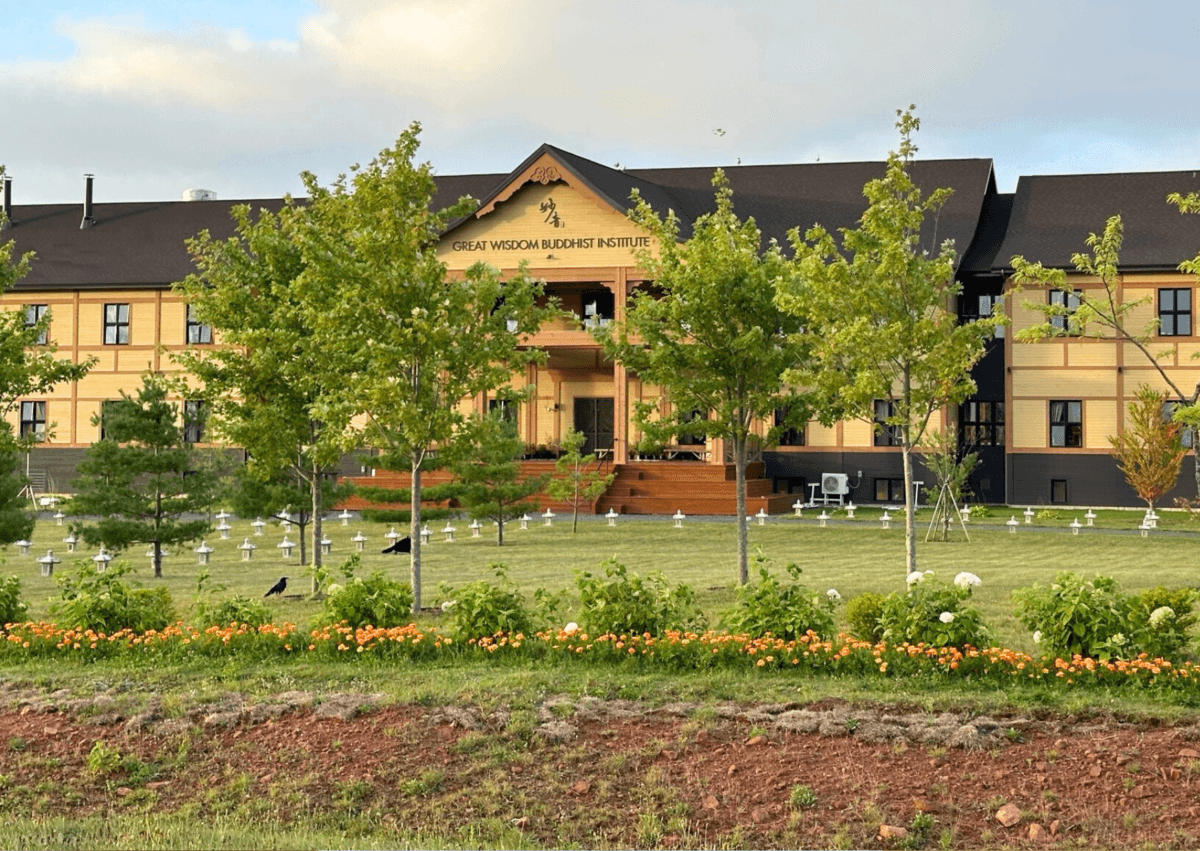
The July 6 hearing also featured presentations from a number of other members of the public and citizen groups, including Wayne Easter, a former P.E.I. Liberal MP and former solicitor general of Canada, who is calling for a federal public inquiry into the operations of GEBIS and GWBI and their affiliates.
“Islanders deserve to understand who is investing in our land, what the long-term intentions are, and whether any external political interests could be influencing local decisions,” Easter said.
“We are living in a time of foreign influence, whether economic, political, or institutional. It is a global issue.”
GEBIS and GWBI didn’t return a request for comment.
New Approach
Clement has co-authored a book on the topic of CCP interference titled “Canada Under Siege: How Prince Edward Island Became a Forward Operating Base for the Chinese Communist Party.” His co-authors are Michel Juneau-Katsuya, a former senior manager with the Canadian Security Intelligence Service, and Dean Baxendale, CEO of the China Democracy Fund and Optimum Publishing International.Clement told the panel that P.E.I. needs a new Land and Economic Security Commission that is solely focused on matters related to “land ownership, strategic investments, beneficial ownership transparency, and economic security.”
He said the province also needs to establish stronger coordination mechanisms with federal security and intelligence agencies such as the RCMP and CSIS.
Transparency Into Ownership
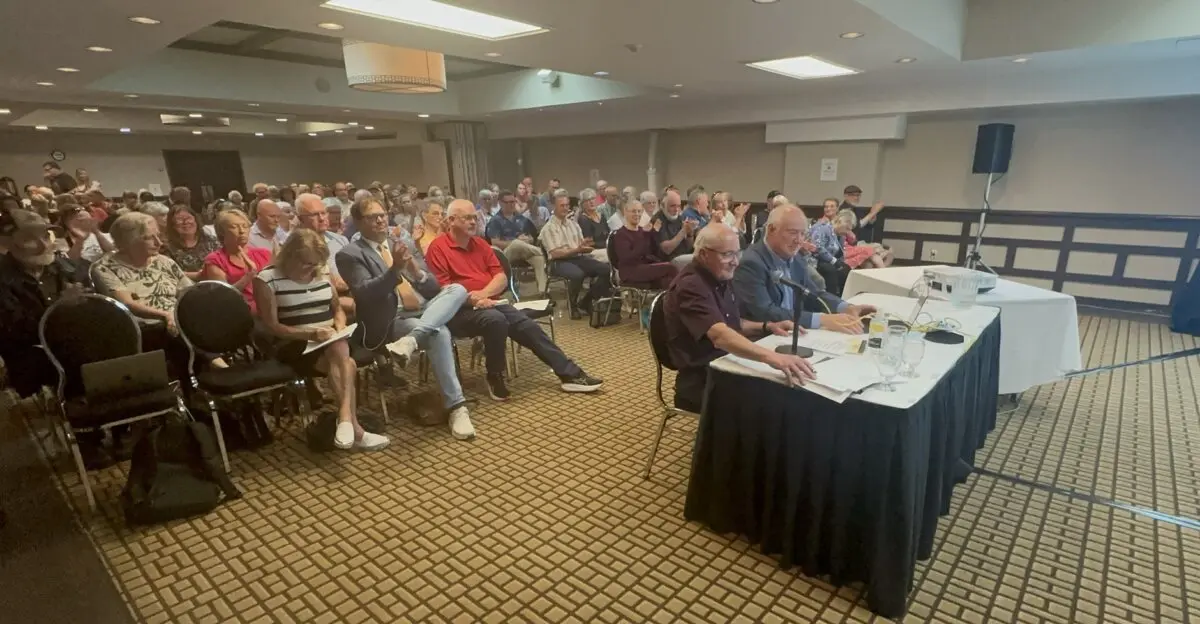
Besides calling for a federal inquiry, Easter also called for requirements similar to those in B.C. to increase transparency around beneficial ownership in order to make it clear who the true owners of purchased properties are. He also made a number of other recommendations on increasing transparency.
“Beneficial ownership should be the criteria for land approval. Decisions must be transparent. We require provincial foreign agent’s registry. Staff must be independent and expert in the field,” said Easter in his recommendations to the panel.
Easter urged IRAC to trace the source of the money used to purchase land on the Island by the organizations under scrutiny.
“Trace that money back to the corporation or whatever, and it may even be in another country. That’s the only way you’re going to get to the bottom of this issue in terms of beneficial ownership,” he said.
“This isn’t about monks and nuns. This is about people that are working in the shadows behind the nuns and monks, and using them as pawns, just as they’re using us,” he added to applause from attendees at the hearing.
Commission
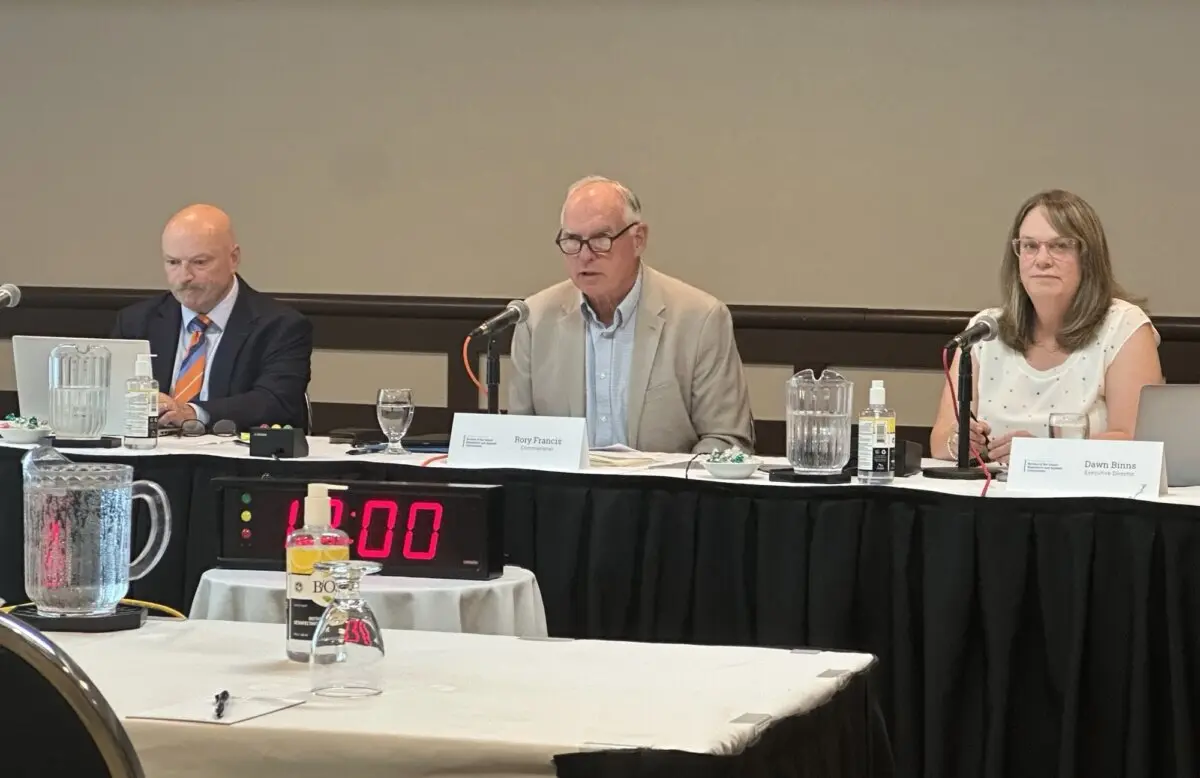
Commissioner Rory Francis, a former executive in public and private sectors appointed to conduct the review, told The Epoch Times that the scope of the review is solely focused on IRAC’s role, “which is very specific, not a decision maker when it comes to land ownership. It’s an advisory to government.”
“We have to stay in our lane,” he said.
P.E.I. Green Party Leader Matthew MacFarlane, who has been very vocal about transparency surrounding land ownership and attended the hearing as an audience member, said he has heard a lot of concerns from residents about foreign land ownership on the island.
“It’s an island-wide concern and it’s something that needs to be addressed in a way better and stronger than government is currently addressing the issues right now,” MacFarlane told The Epoch Times.
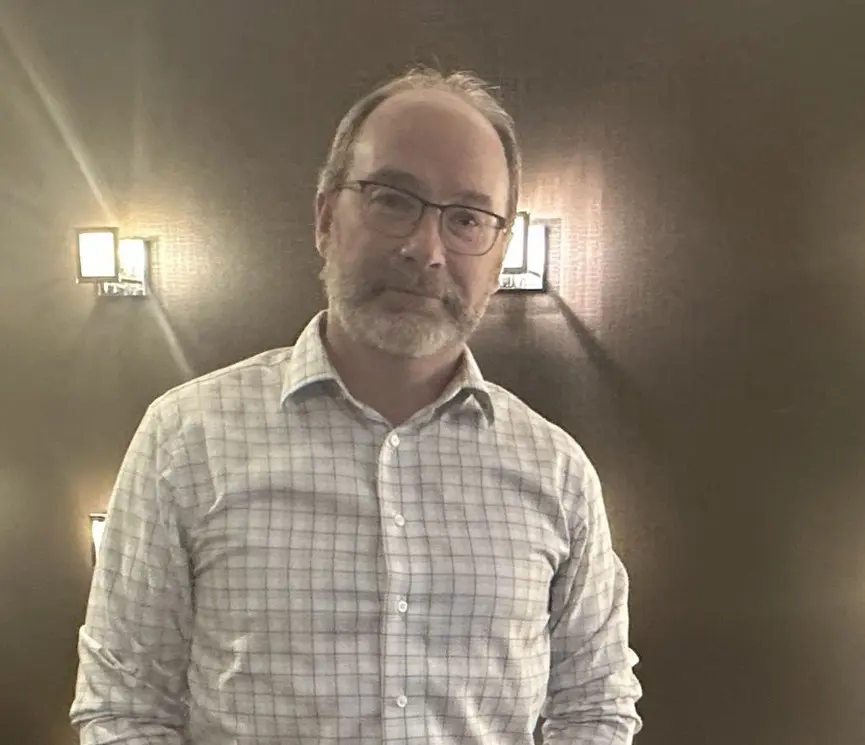
Last year, MacFarlane introduced a bill to ensure land investigation reports are made public within 15 days in an effort to bring increased transparency. His bill passed with unanimous support from the governing Progressive Conservatives and the Official Opposition Liberals.
The Epoch Times asked the premier’s office and the office of the minister of land and environment for comment but didn’t hear back by publication time.
The July 6 hearing also featured presentations from members of the public and interest groups on energy rates, transparency in regulatory organizations, and property ownership regulations.
The commission is expected to deliver its final report by November.