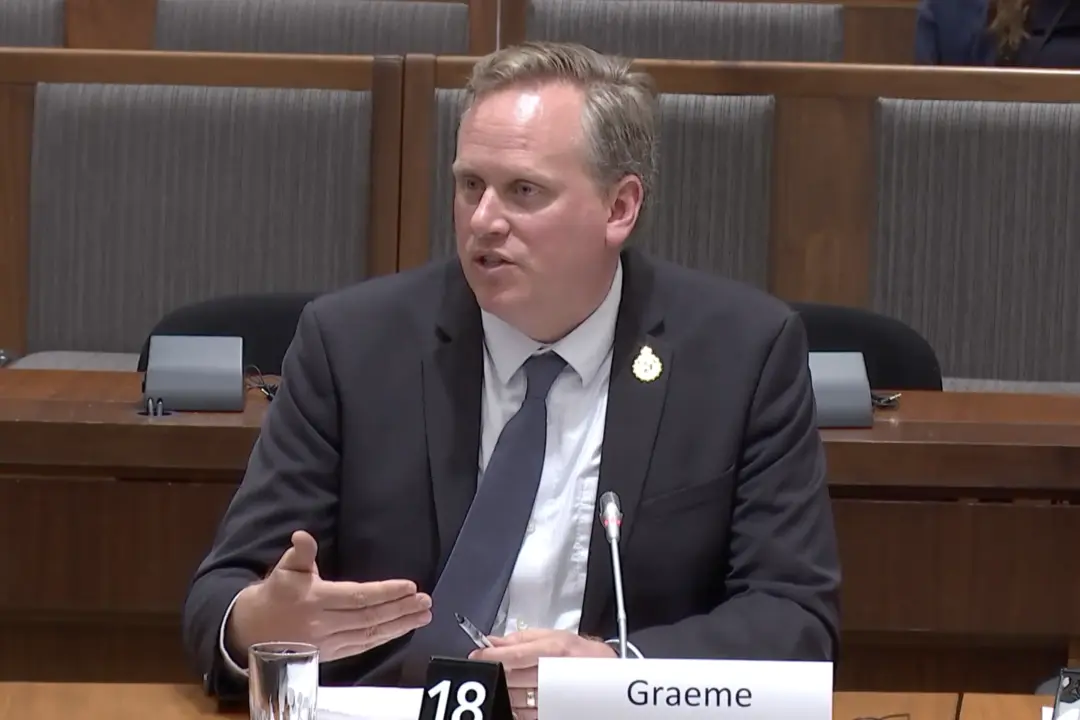
As Ottawa forges closer ties with Beijing, a foreign affairs official told MPs he believes the federal government still sees China as an “increasingly disruptive power.”
Conservative MP Tamara Kronis asked Epp during the committee meeting whether Canada still sees China as a disruptive force in the Indo-Pacific region.
Epp responded that “disruptive” is “not a pejorative word, it’s a descriptive word.”
“China is disruptive in both economic terms, in innovation terms, and potentially in security terms,” he said. “And that description at the time, I think, continues to be the case.”
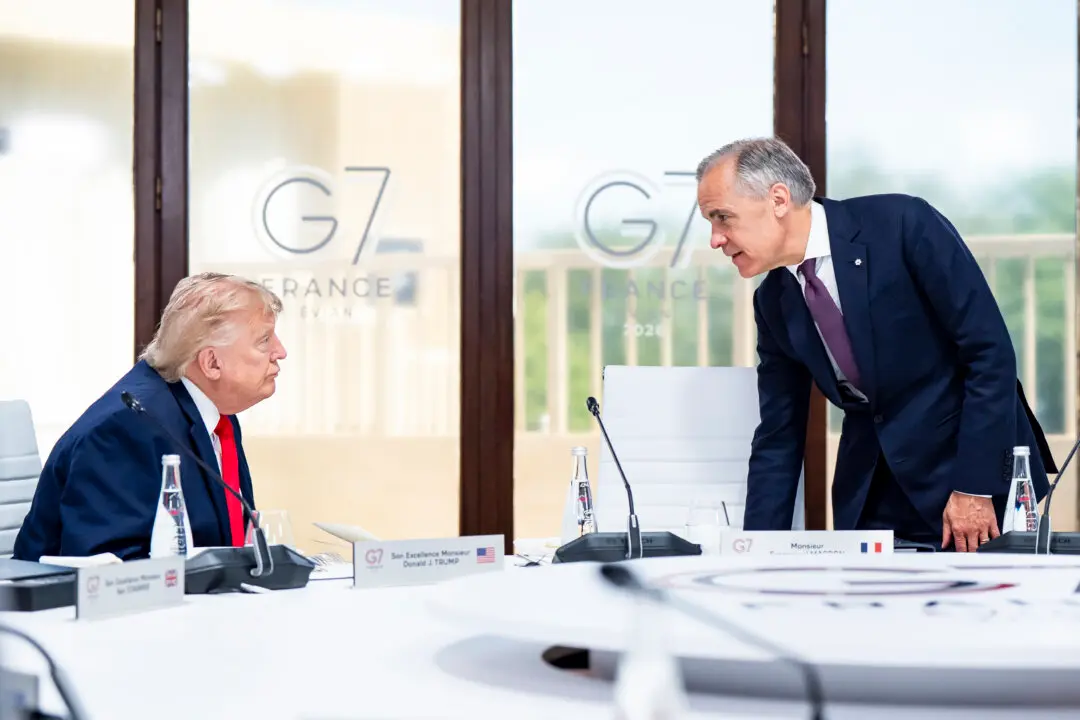
When he was questioned on the subject during his China visit in January, Prime Minister Mark Carney told reporters in Beijing that declaring China a “disruptive” power is “not his objective,” and said he “wasn’t part of the government” when that determination was made.
“I wasn’t there. It wasn’t my opinion,” he added.
Kronis asked Epp whether Canadians can expect to see the word “disruptive” removed from the updated Indo-Pacific strategy. Epp responded that his department is “in the process of giving advice to the government, and I can’t speak to advice that’s privileged for government.”
Taiwan
Conservative MP Michael Chong noted during the committee meeting that the current Indo-Pacific Strategy refers to Taiwan several times, including strengthening economic ties. Meanwhile, he said reports indicate the bilateral trade cooperation framework agreement between Canada and Taiwan has been fully negotiated and awaits final signatures.He said Taiwan had been left with the impression that Canada is seeking to improve its relations with China at the expense of its relationship with Taiwan.
The Chinese communist regime considers Taiwan, which is an independent democratic island nation, to be part of its territory. Meanwhile, Taiwan has been pushing back against Beijing’s international pressure campaign to sideline the island, and calling on international organizations such as Interpol to recognize its participation.
Asked by Chong when the agreement is expected to move forward, Epp said there is a “range of activity underway.”
“I’ve never seen our trade negotiators as busy as they are now, and there’s also some due diligence to work with in terms of our stakeholders,” Epp said. “I fully expect there will be decisions taken before too long.”
Bloc Québécois MP Alexis Brunelle-Duceppe asked Epp whether the government has told his department why the agreement with Taiwan has not been signed.
“The answer is no,” Epp said. “The government has not consulted the department experts as to whether the agreement is going to be signed or not.”
Brunelle-Duceppe noted that the UK has a similar agreement already with Taiwan and “there’s no good reason not to sign this agreement, which has already been concluded.”
“Unfortunately, we must be objective and say… the only valid reason why we are not signing the agreement is because we do not want to compromise our relationship with Beijing, unless you have another reason to tell me,” Brunelle-Duceppe said.
After the public servants appearing at the committee did not immediately respond, he added “Well, your silence means I’m correct.”
Darren Smith, a foreign affairs official who participated in negotiations with Taiwan, later told MPs that there have been “a lot of dynamic activities” in the international trading system over the last year, and trade negotiators are “trying to figure out ways in which we can take into account all these changes.”