This copy is for your personal, non-commercial use only. Distribution and use of this material are governed by our Subscriber Agreement and by copyright law. For non-personal use or to order multiple copies, please contact The Epoch Times Reprints.
Ontario’s government has tabled legislation to implement a ban on speed cameras in municipalities across the province.
The Building a More Competitive Economy Actcontains 11 different initiatives intended to streamline the process for permits and approvals, while also imposing a prohibition on speed cameras.
The bill is an initiative to “protect taxpayers,” the province said in a press release this week, and direct municipalities to focus on “traffic-calming measures” like speed bumps and roundabouts. It will also aim to increase competitiveness, support local businesses, and promote labour mobility.
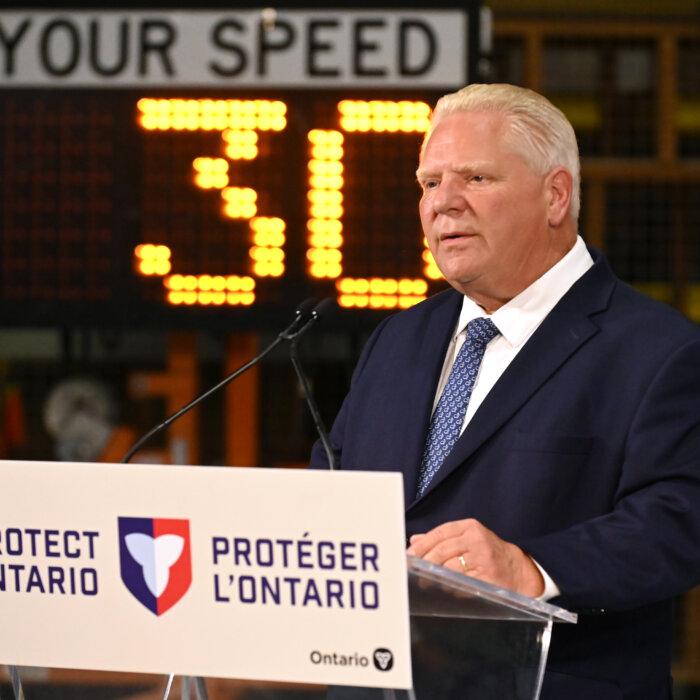
Premier Doug Ford promised last month to introduce a speed camera ban proposal in the legislature this fall. He referred to the cameras as a municipal “cash grab” during a Sept. 25 press conference in Vaughan.
“Instead of punishing people retroactively with speeding tickets days or weeks after the fact, we’re supporting practical, proactive, traffic-calming measures that stop people from speeding in the first place,” Ford said, noting that the province would offer funding to help municipalities implement alternative safety measures.
Ford described speed bumps, roundabouts, raised crosswalks and curb extensions, as well as public education and improved signage, as the best way to slow down drivers.
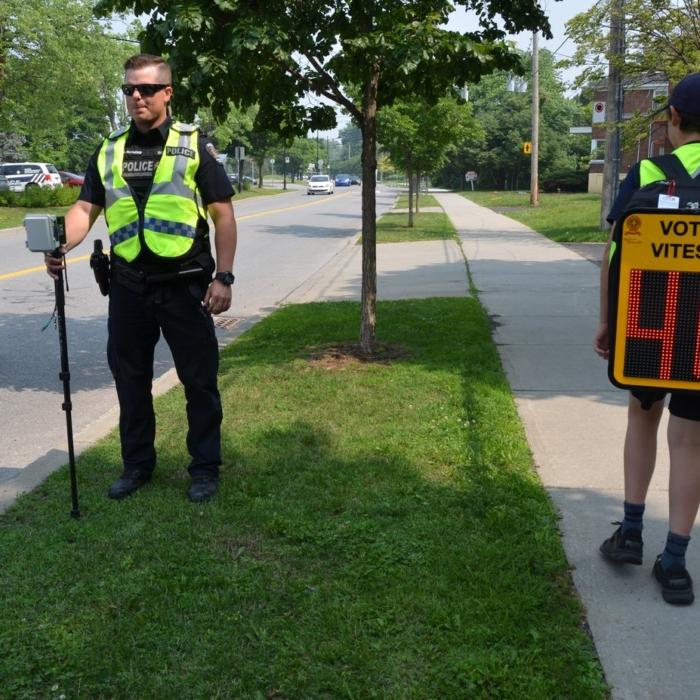
His plan has faced criticism from several groups, including the Ontario Association of Chiefs of Police (OACP). The police chief organization issued a statement expressing support for speed cameras, saying they free up police resources for other public safety matters.
A recently released study by the Hospital for Sick Children in Toronto (SickKids) and Toronto Metropolitan University (TMU) found that speed cameras reduced the number of speeding vehicles by 45 percent in school zones. The study was published in the medical journal Injury Prevention in July.
Economic Growth Legislation
The other aspects of the legislation focus on economic growth initiatives, according to the provincial government.
The bill calls for a review of all Ontario government economic development-focused permits over the next two years. The goal is to eliminate or change at least 35 percent of the processes.
Red Tape Reduction Minister Andrea Khanjin said it was about “protecting Ontario’s competitive advantage.”
The bill also calls for creating a centralized digital permitting system to “streamline” how businesses apply for permits. The government says it will reduce approval times, and help to attract investment and move projects forward.
The legislation also provides “as of right” provisions for Canadian workers who hold licences and credentials from various provinces and territories, with a specific focus on health-care workers. Under these provisions, the province will automatically acknowledge the qualifications of physicians and nurses from other parts of Canada, and will also permit other professionals to practice in Ontario using their existing credentials from different areas.
The Ontario government said the Building a More Competitive Economy Act would also update regulations such as those for forest management, municipal drinking water approvals processes, and ministerial inspection powers. It said it would be “removing red tape” and “reducing administrative burden.”
The province said the bill would see consultations held on a “made-in-Ontario” policy to strengthen supply chains and support Ontario’s auto industry through fleet purchases for the government, public sector, and municipalities to “drive economic growth” and create jobs in the province.