This copy is for your personal, non-commercial use only. Distribution and use of this material are governed by our Subscriber Agreement and by copyright law. For non-personal use or to order multiple copies, please contact The Epoch Times Reprints.
Ontario Premier Doug Ford says Prime Minister Mark Carney’s deal with Beijing to allow Chinese electric vehicles (EVs) into Canada is a “mess” that will harm Ontario’s automakers.
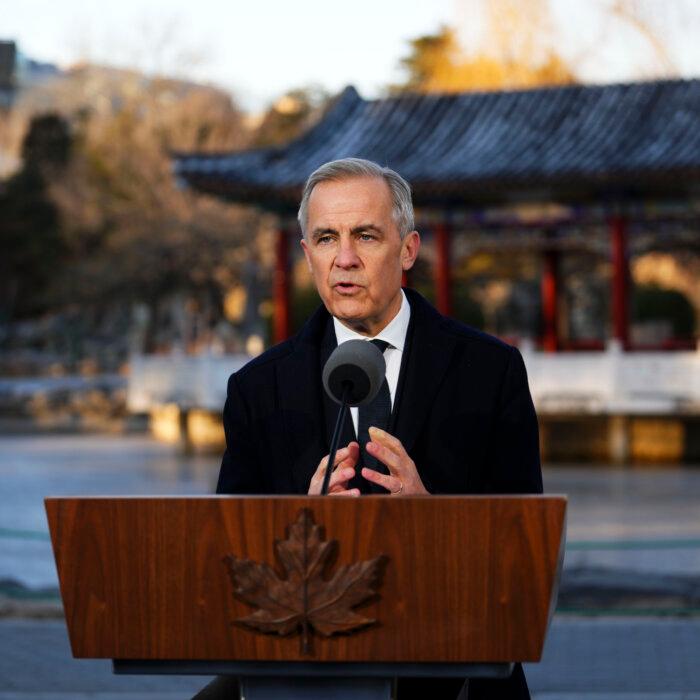
Speaking in Beijing on Jan. 16, Carney announced that Canada will reduce tariffs on up to 49,000 Chinese electric vehicles per year from 100 percent to 6.1 percent. In return, Ottawa expects Chinese automakers to invest in Canada and for Beijing to eliminate its existing 100 percent tariffs on agricultural products and 25 percent tariffs on various seafood items by March 1.
The tariff reduction is part of a new agreement reached during Carney’s China visit this week to expand ties between the two countries on trade, energy, agri-food, and “climate competitiveness,” and grow Canadian exports to China by 50 percent by 2030, the Prime Minister’s Office said in a Jan. 16 statement.
Ford said Ottawa’s decision to reduce tariffs on Chinese EVs undercuts Ontario’s auto industry and opens it to increased trade risk.
“The federal government is inviting a flood of cheap made-in-China electric vehicles without any real guarantee of equal or immediate investments in Canada’s economy, auto sector or supply chain,” Ford posted Jan. 16 on social media. “Worse, by lowering tariffs on Chinese electric vehicles this lopsided deal risks closing the door on Canadian automakers to the American market.”
Ford added that he believes that instead of lifting EV tariffs on China, Ottawa should be pursuing other domestic policies in order to boost Canada’s struggling auto manufacturing sector.
“That means making the sector more competitive by ending the electric vehicle mandate, harmonizing regulations with key trading partners and scrapping federal fees that do nothing but add thousands to the cost of making vehicles and chase away investments,” he wrote Jan. 16.
“Instead of importing made-in-China vehicles, the federal government needs to be focused on working with Ontario to bring investment and jobs to factory floors in Brampton, Oshawa, Ingersoll and across the province, where assembly lines are at risk or have already left the country.”
Ford has previously repeatedly urged Carney to keep the 100 percent tariffs in place, saying Jan. 8 that “we can’t back down.” He said last fall that lifting the tariffs could put 157,000 Ontario auto jobs at risk due to China’s “heavy subsidization and low environmental and labour standards” giving its auto sector “unfair advantages over Canadian automotive manufacturers.”
Carney said the quantity of Chinese EVs receiving the lower tariff rate will only amount to approximately 3 percent of Canada’s car market. The market share will rise in the coming years to roughly 70,000 Chinese EVs subject to the lower 6.1 percent rate after five years, according to Carney.
Sask., Manitoba Weigh In
Meanwhile, Saskatchewan Premier Scott Moe had a different take on the EV deal. He applauded the outcome of obtaining reduced tariffs on agricultural products impacting his province.
“Today’s trade deal to significantly reduce Chinese tariffs on canola and other Canadian products is very good news for Canada and Saskatchewan,” Moe posted Jan. 16 on X. “This deal is a very positive signal that will restore existing trade volumes and open avenues for further opportunities for Canadians.”
Moe and Manitoba Premier Wab Kinew, both of whose provinces have been particularly impacted by China’s agricultural tariffs, have previously called on Ottawa to lift the tariffs on Chinese EVs to use as a bargaining chip in the trade dispute.
“We’ve got to be there for the farmer in the field who’s facing a really strong trade headwind right now,” Kinew said in August of last year.
Canada exported around $5 billion in canola products to China in 2024, the majority grown in the Prairies.
Ford has said he disagrees with Moe and Kinew’s position in dropping tariffs on China.
“I respect what they’re doing, but there’s no damn way we should drop tariffs on China, I'll tell you that. Absolutely not,” Ford said in October of last year.
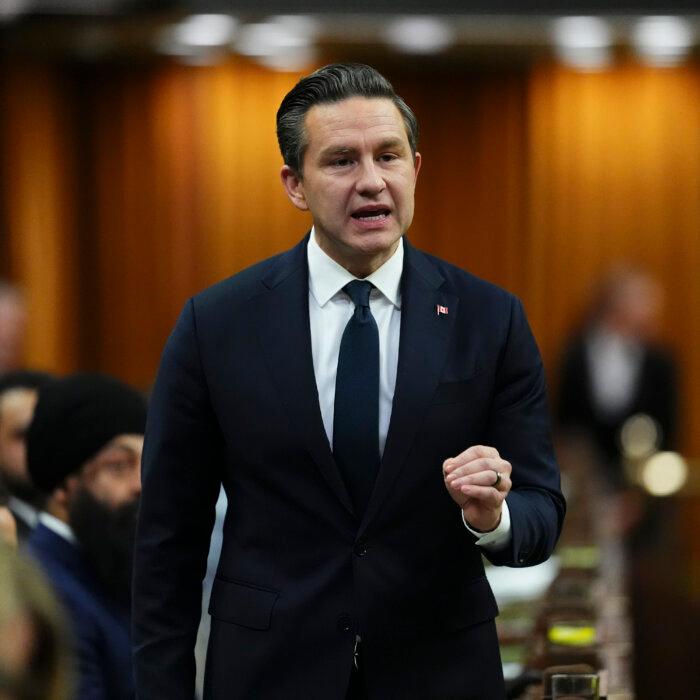
Conservative Leader Pierre Poilievre also criticized Ottawa’s decision to slash tariffs on Chinese EVs, saying it opens Canada to surveillance risks by the Chinese regime and does not garner enough economic benefits in return.
Global Automakers of Canada has also said it’s “concerned” about Ottawa’s decision.
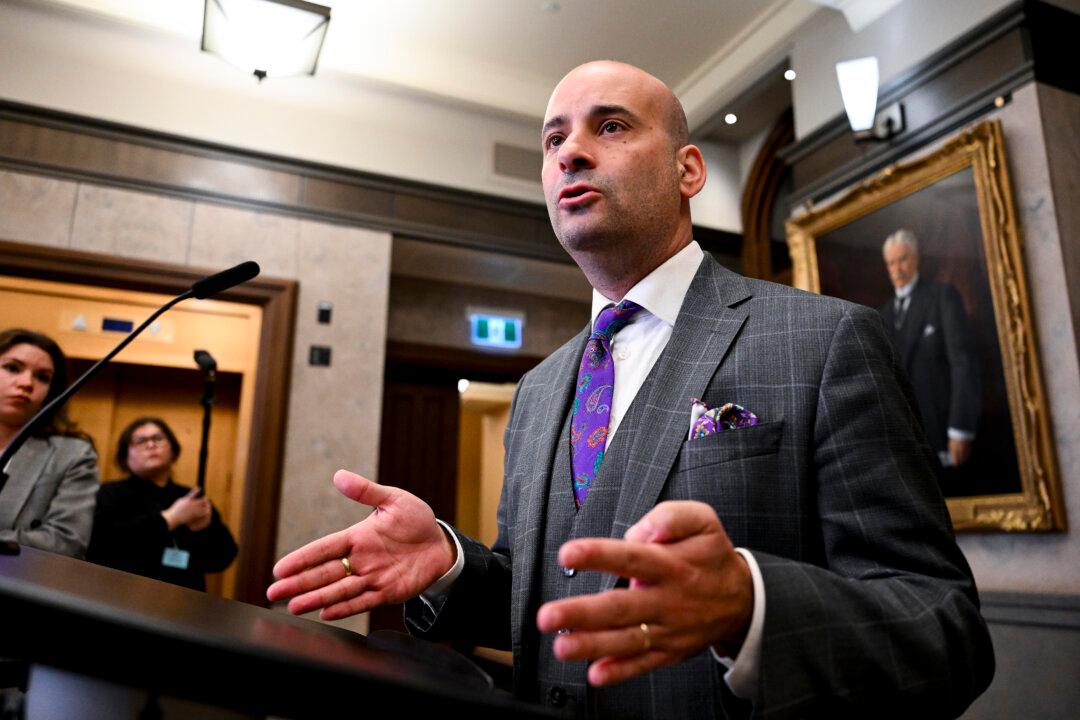
“Our members are concerned that this announcement just adds one more piece of uncertainty into a highly uncertain environment for the automotive industry with a myriad of other issues impacting the operations of all manufacturers and distributors in Canada,” said President and CEO David Adams.
Alberta Premier Danielle Smith has said that China understands divisions in Canada and exploits them to its advantage.
“They understand that if you’re going to retaliate and create maximum pressure, you do it by pitting one region against the other,” Smith said last year, commenting on China’s tariffs on Canadian canola in response to Canada’s tariffs on Chinese EVs.
Isaac Teo and Noé Chartier contributed to this report.