More than 700 Australians have contacted government authorities requesting assistance to leave Israel and Iran, as tensions between the two nations heighten and airspace over both countries remains closed.
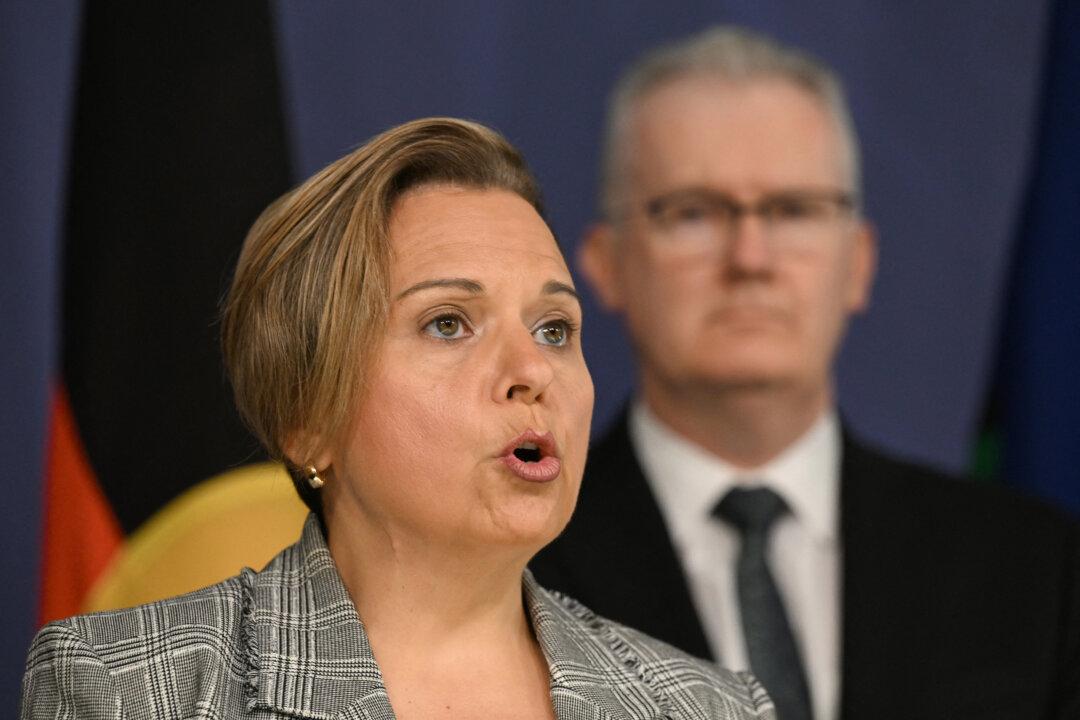
Foreign Minister Penny Wong said the government is preparing multiple contingency options to assist Australians stranded in the region, although civilian flights remain grounded due to the risk of missile attacks.
“I understand how concerned, how distressed many Australians are about what is occurring. I understand how particularly those who are in the Middle East, in Israel or Iran, how worrying this situation is, and how frightening it is,” she told reporters on June 16.
According to Wong, about 300 Australians have registered with the Department of Foreign Affairs and Trade (DFAT) to leave Israel, and another 350 have done so for Iran, with more expected to sign up.
The rising death toll adds to the urgency, with at least 224 fatalities reported in Iran and 13 in Israel following consecutive days of military action.
The escalation began on June 13 with an Israeli airstrike inside Iranian territory. Israeli Prime Minister Benjamin Netanyahu later said the attack aimed to dismantle nuclear infrastructure he described as posing an “existential threat to Israel.”
The strike occurred shortly after the International Atomic Energy Agency declared that Iran had breached its commitments under the global non-proliferation treaty, and just days before Iran was due to resume nuclear talks with the United States.
Wong, PM Stress Diplomacy as Conflict Deepens
Wong urged restraint once again, saying she had conveyed Australia’s stance directly to her counterparts in both countries, and that key allies, including the UK, Canada, and France, shared the same position.
She noted this was also “consistent with what President [Donald] Trump has said.”
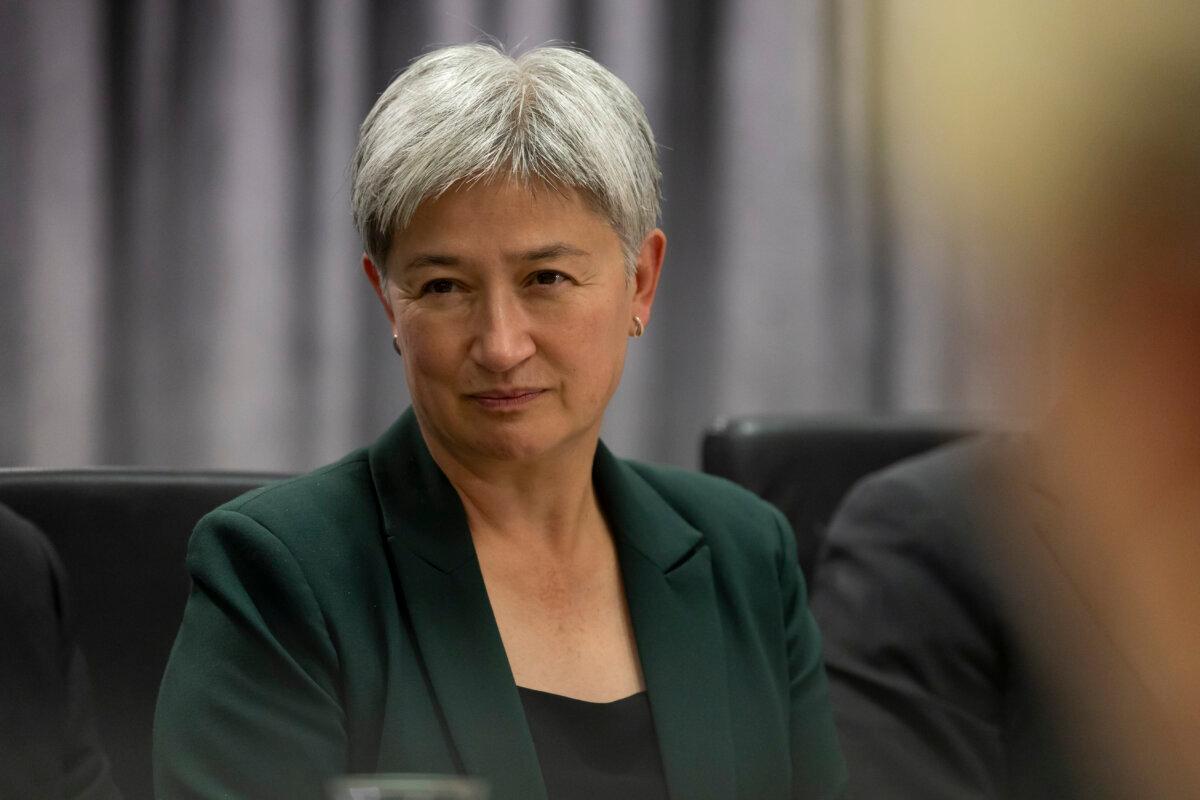
“No one doubts the threat Iran poses, we have long been speaking about this as an international community,” she said.“But what I would say is we don’t want to see an escalation which leads to … dire consequences for the people of the region.”
Earlier, Australian Prime Minister Anthony Albanese, who is currently attending the G7 summit, also stressed the need for calm and diplomacy.
“I have expressed before our concern about Iran gaining the capacity of nuclear weapons as something that is a threat to security in the region. But we, along with other like-minded countries, do want to see that priority on dialogue and diplomacy,” he said during a press briefing in Canada.
DFAT is urging Australian citizens, permanent residents, and eligible family members to register on the Smartraveller website if they require assisted departure. The site also offers updated official guidance for those currently in Israel or Iran.
Authorities continue to advise Australians already in either country to follow instructions from local officials, who are urging residents to remain indoors.
For those outside, the government’s message is clear: do not travel to Israel or Iran at this time.