Finland’s military temporarily closed a section of Finnish airspace and restricted maritime traffic off the country’s southern coast near the Russian border on July 28, due to a possible risk of stray drones in the area.
“The Finnish Defence Forces established a temporary restricted airspace area over the eastern Gulf of Finland starting at 8:05 a.m. and a restricted maritime area at 8:15 a.m.,” the Finnish military said in a July 28 post on X.
“This is a precautionary measure intended to ensure the safety of bystanders and preserve the authorities’ ability to counter any possible drones,” the military added in a follow-up post.
Ukrainian military drones targeting Russia have strayed into the airspace of Finland, Estonia, Latvia, and Lithuania this year, raising concerns that the war in Ukraine is spilling over into NATO’s northern borders.
Finland was taking steps to “ensure the authorities are able to operate if drones were to stray into the area, meaning safe countermeasures and the safety of bystanders,” a Finnish military spokesperson said.
The spokesperson added that the military could not comment on the source of the information about potential drone activity, “as it is operational information.”

The restrictions were lifted at 10:20 a.m. local time, the military later said in a post on X, adding that no drones had strayed into Finnish territory.
Military activity in Finland’s vicinity has increased since last summer, and the military has “gradually increased their readiness” in response, the Finnish Defence Forces said in a July 21 bulletin.
“Air-defense readiness has been further strengthened in response to the drone incidents. Alongside the Finnish Air Force’s quick-reaction alert fighters, equipment and personnel from the Navy and Army have been deployed, and reservists who have given their consent have been called up for refresher training,” it said.
Following an earlier incident on July 4, which also saw Finnish air and maritime space restricted, Finnish Minister of Defense Antti Hakkanen said that the country has stepped up surveillance by the Finnish Defence Forces, the Border Guard, and the monitoring systems of other authorities.
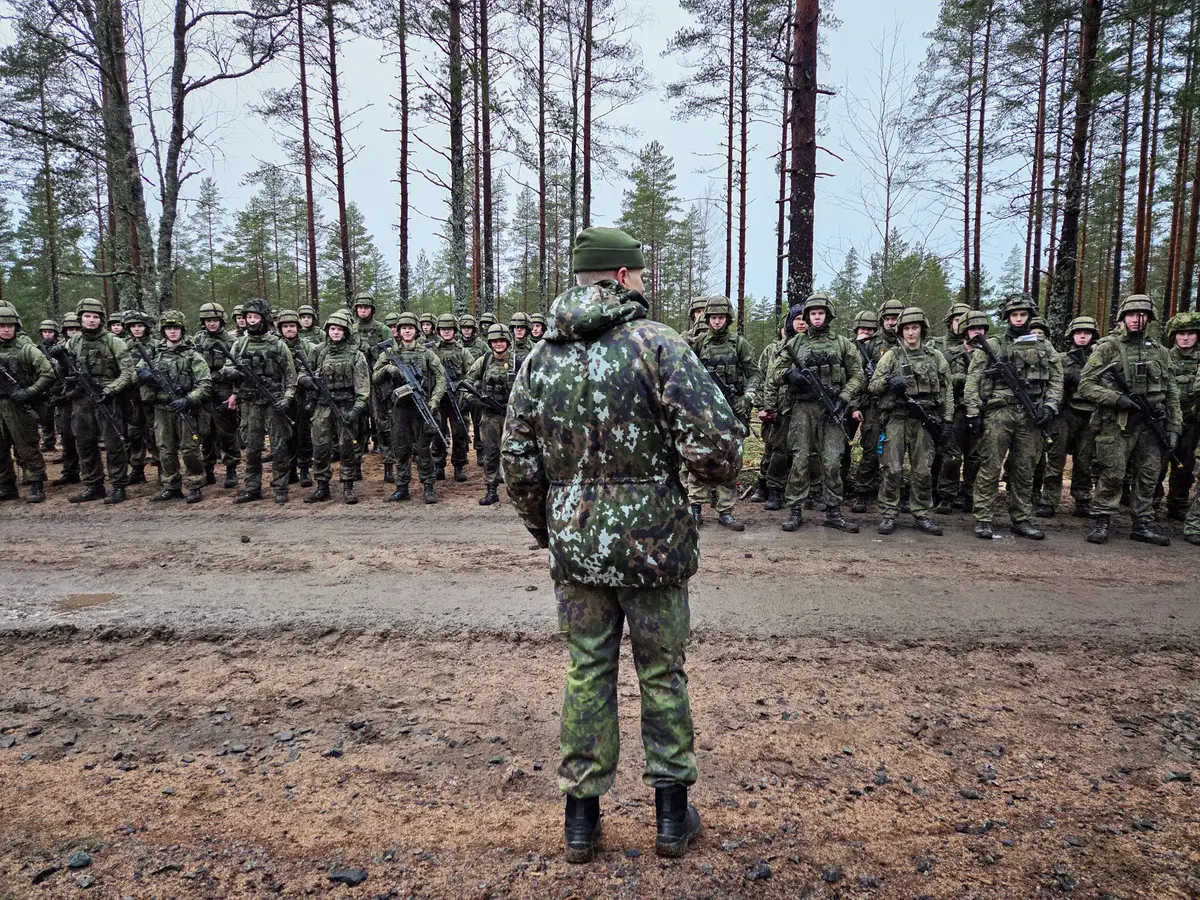
“People in Finland should be prepared for the fact that these drone incidents will certainly continue in areas close to Finland,” he told Finnish public broadcaster YLE.
Finland shares the longest border with Russia of any NATO member. One of NATO’s newest members, Finland joined the alliance in 2023 following the 2022 Russian invasion of Ukraine, ending decades of military nonalignment for the Nordic country.

Kyiv and NATO countries have blamed signal jamming by Russia for diverting some Ukrainian drones into NATO airspace, while Moscow accuses Ukraine of intentionally steering drones across the borders.
The drone entered Estonian airspace from the direction of Russia and was shot down between Lake Vortsjarv and Poltsamaa in southern Estonia.
Ukrainian Foreign Ministry spokesman Heorhii Tykhyi said the drone had been redirected by Russia using electronic warfare.
“Russia continues to redirect Ukrainian drones into the Baltics with the use of its electronic warfare. And Moscow does this on purpose, together with intensified propaganda,” he said. “We apologise to Estonia and all of our Baltic friends for such unintended incidents.”
The Romanian Ministry of National Defence said in a June 6 statement that a naval drone observed in the Port of Constanta in the Black Sea self-detonated at 10:30 a.m. local time, without causing casualties.
The Ukrainian Naval Forces confirmed that the nautical drone was theirs, blaming Russian jamming for the vessel straying into NATO waters.
“While performing tasks in the Black Sea operational zone, one of the Ukrainian navy’s unmanned sea boats, under the influence of enemy electronic warfare, lost control and ended up off the coast of Romania,” the navy said in a post on Facebook. “The Ukrainian Navy provided the Romanian Navy with the necessary information to prevent civilian casualties.”
In 2022, just a few months into Russia’s invasion of Ukraine, a Ukrainian missile struck a Polish village and killed two people. The incident sparked speculation that Russia had fired the missile into Polish territory. Shortly after the missile struck Polish territory, the Polish Foreign Ministry issued a statement claiming the projectile was of Russian manufacture.
In September 2025, Poland’s Armed Forces Operational Command said air traffic restrictions had been introduced along the country’s eastern border with Belarus and Ukraine, following the downing of suspected Russian drones in the NATO member’s airspace.
Polish authorities said at the time that a home in the village of Wyryki-Wola had likely been hit by a Russian drone that entered Poland’s airspace on the night of Sept. 9.

“Everything indicates that it was a missile fired by our plane, defending Poland, defending the fatherland, defending our citizens,” Siemoniak said at the time.
NATO has already introduced three projects aimed at countering threats from Moscow, named Baltic Sentry, Arctic Sentry, and Eastern Sentry.
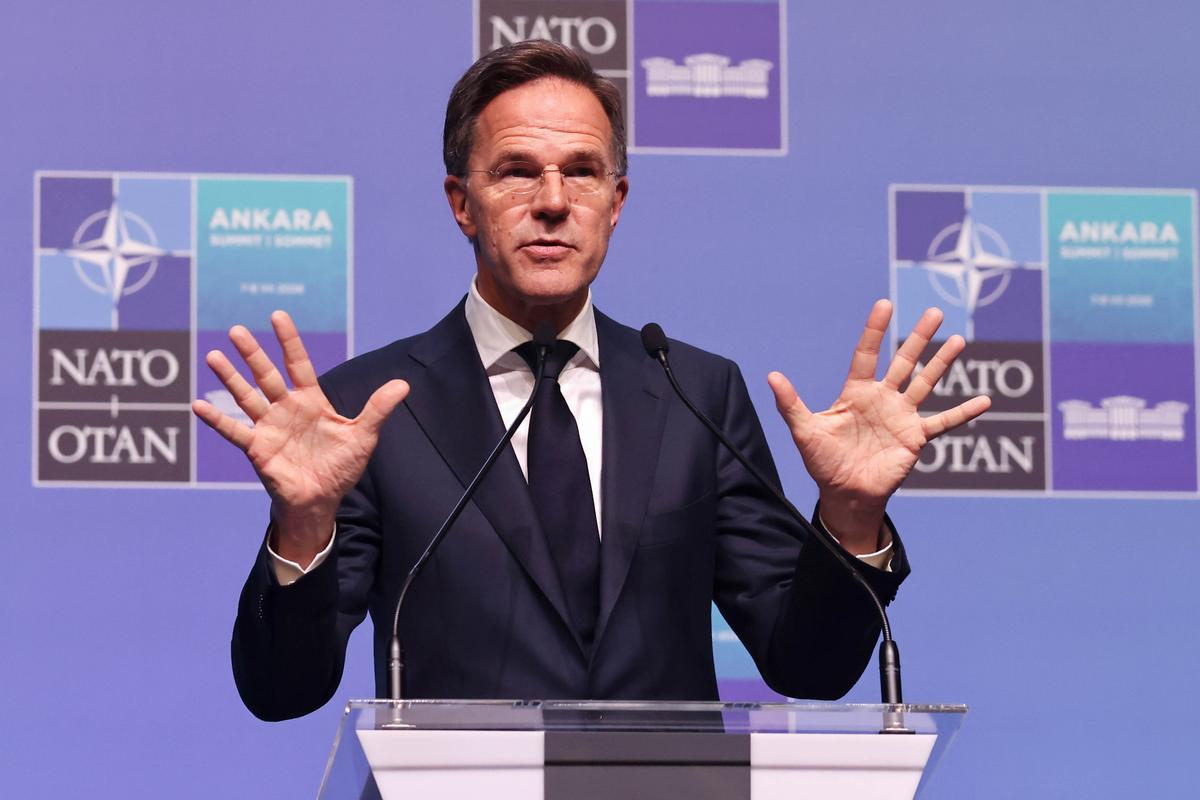
NATO said at the time that the operation would involve both traditional military capabilities and novel approaches, including “elements designed to address challenges associated with drones.”
“It will involve a range of assets, including frigates and maritime patrol aircraft, among others, and will enhance our vigilance in the Baltic,” NATO Secretary-General Mark Rutte said at the time.