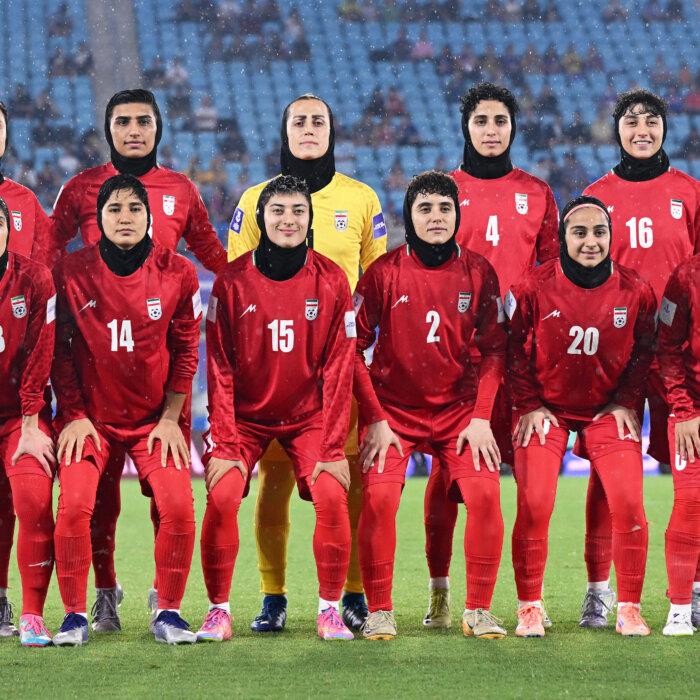
The captain of Iran’s women’s national soccer team has departed Australia after withdrawing her request for asylum, becoming the fifth member of the squad to reverse an earlier decision to remain in the country.
Zahra Ghanbari had initially accepted an offer to stay in Australia after the team traveled to the country to compete in the Asian Football Confederation Asian Cup. However, she later chose to leave alongside the rest of the delegation.
Last week, the Australian government granted humanitarian visas to seven members of the Iranian team, including one support staff member, after concerns were raised about their safety if they were to return home.
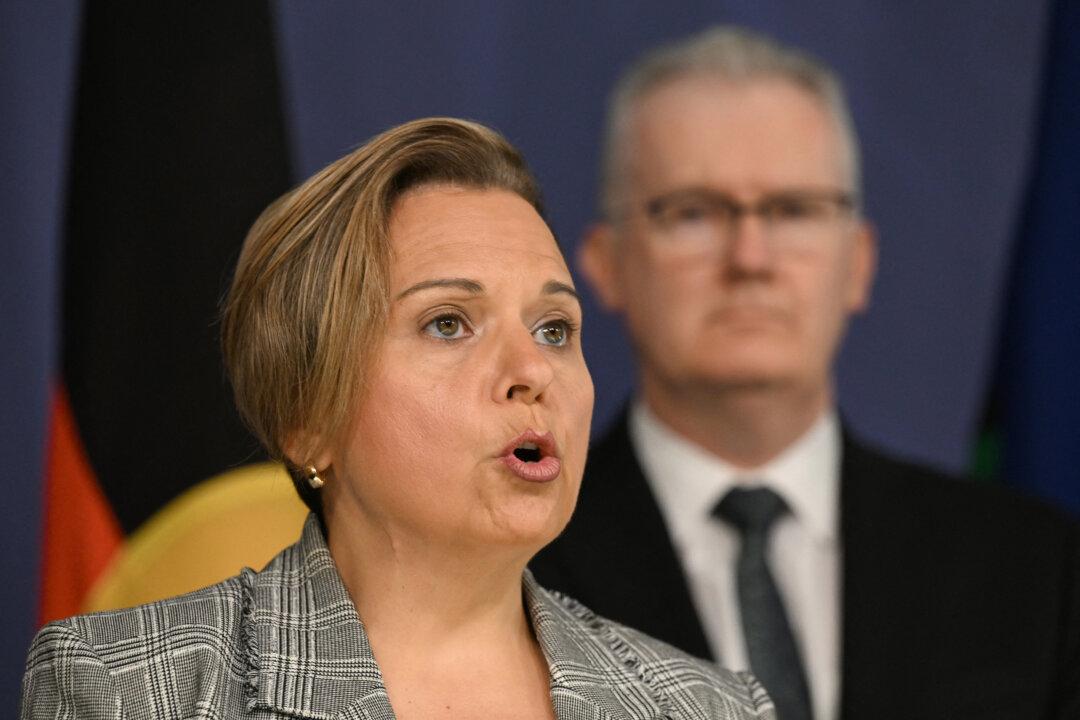
The office of Australian Home Affairs Minister Tony Burke has confirmed Ghanbari’s departure.
“Overnight, three members of the Iranian Women’s Football Team made the decision to join the rest of the team on their journey back to Iran,” Burke said in a statement.
The minister said players had multiple opportunities to consider their options while in Australia.
“While the Australian Government can ensure that opportunities are provided and communicated, we cannot remove the context in which the players are making these incredibly difficult decisions,” he said.
“The Australian Government has done everything we could to make sure these women were provided with the chance for a safe future in Australia.
“Australians should be proud that it was in our country that these women experienced a nation presenting them with genuine choices and interacted with authorities seeking to help them.”
International Intention
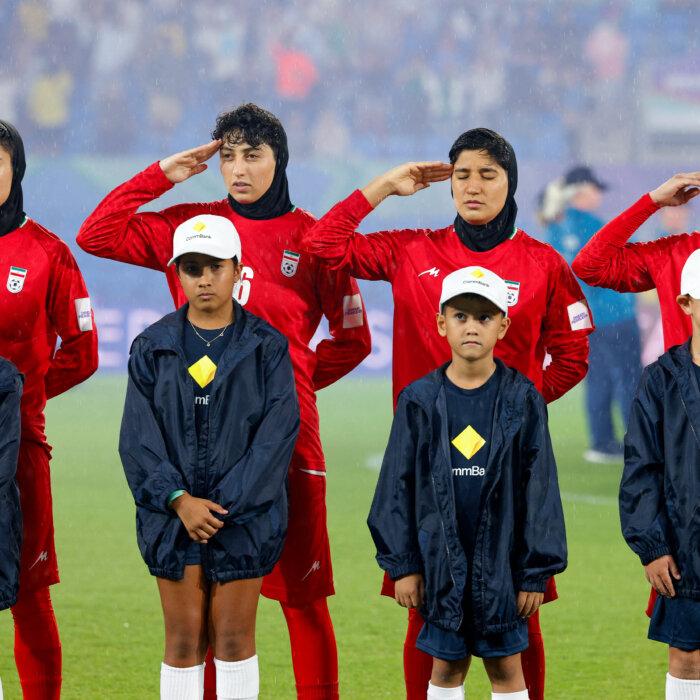
The case of Iranian female soccer players drew international attention after they refused to sing Iran’s national anthem before their opening match against South Korea at the Asian Cup, in what was perceived to be a protest against the Iranian Islamic regime.Following the incident, Iranian state media reportedly described members of the squad as “wartime traitors,” raising concerns about their treatment upon returning home.
U.S. President Donald Trump also publicly commented on the case after Australian activist Drew Pavlou raised the matter on social media.
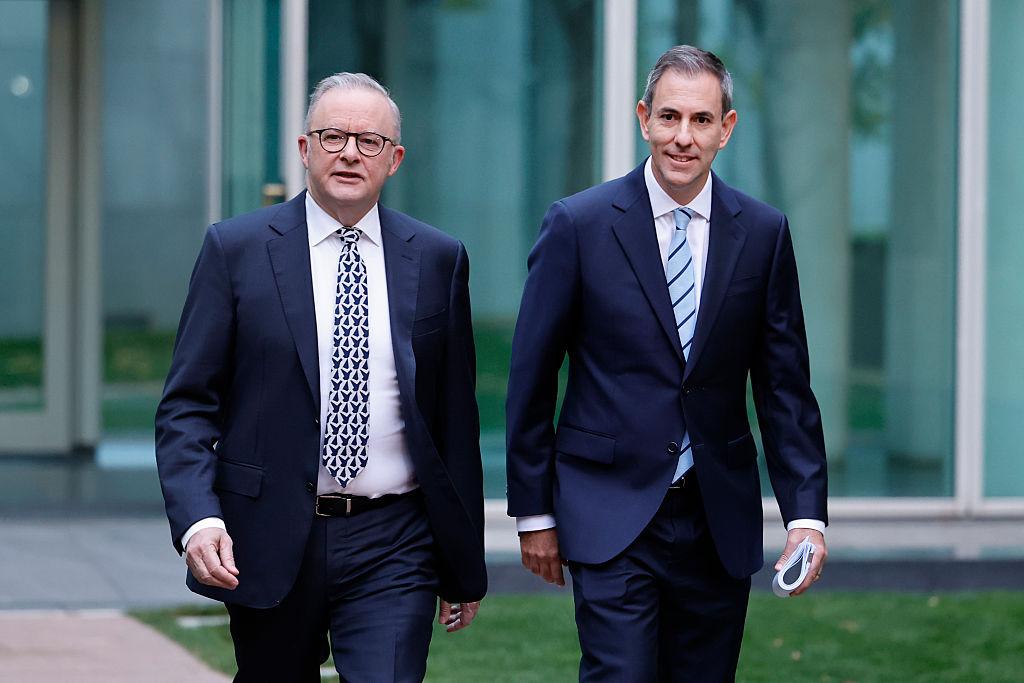
Trump said he had discussed the players’ situation directly with Australian Prime Minister Anthony Albanese.
“I just spoke to Prime Minister Anthony Albanese, of Australia, concerning the Iranian National Women’s Soccer Team,“ he wrote on social media. ”He’s on it! Five have already been take care of, and the rest are on their way.”
The president also acknowledged the pressure some players were facing to return home.
“Some, however, feel they must go back because they are worried about the safety of their families, including threats to those family members if they don’t return,“ he said. ”In any event, the prime minister is doing a very good job having to do with this rather delicate situation.”