The federal government is preparing a third attempt to legislate on “online harms,” following previous proposals in 2021 and 2024.
In a recent report to the Senate social affairs committee, the department of industry said Ottawa is examining a “future online safety regime” meant to reduce harms such as hateful content and cyberbullying on large platforms.
“To advise on this proposal, the government has recently reconvened the Expert Advisory Group on Online Safety whose members previously contributed to the development of online harms legislation, to engage on new and emerging issues related to online harms,” the department wrote, as first covered by Blacklock’s Reporter.
“Any future legislative proposal would be subject to parliamentary scrutiny, and details will be made public at the appropriate time.”
Past proposed legislation to regulate lawful online content included Bill C-36, An Act to Amend the Criminal Code in 2021, and Bill C-63, An Act To Enact the Online Harms Act, in 2024.
The previous attempts to pass the online harms legislation failed due to an election call in 2021 and Parliament’s prorogation in 2025, leading the bills to die on the order paper.
Past Legislation
Bill C-36 was first brought forward by then-Justice Minister David Lametti in 2021, with the main goal of addressing hate speech and hate crimes online.“We need to make the internet safe,” he said.
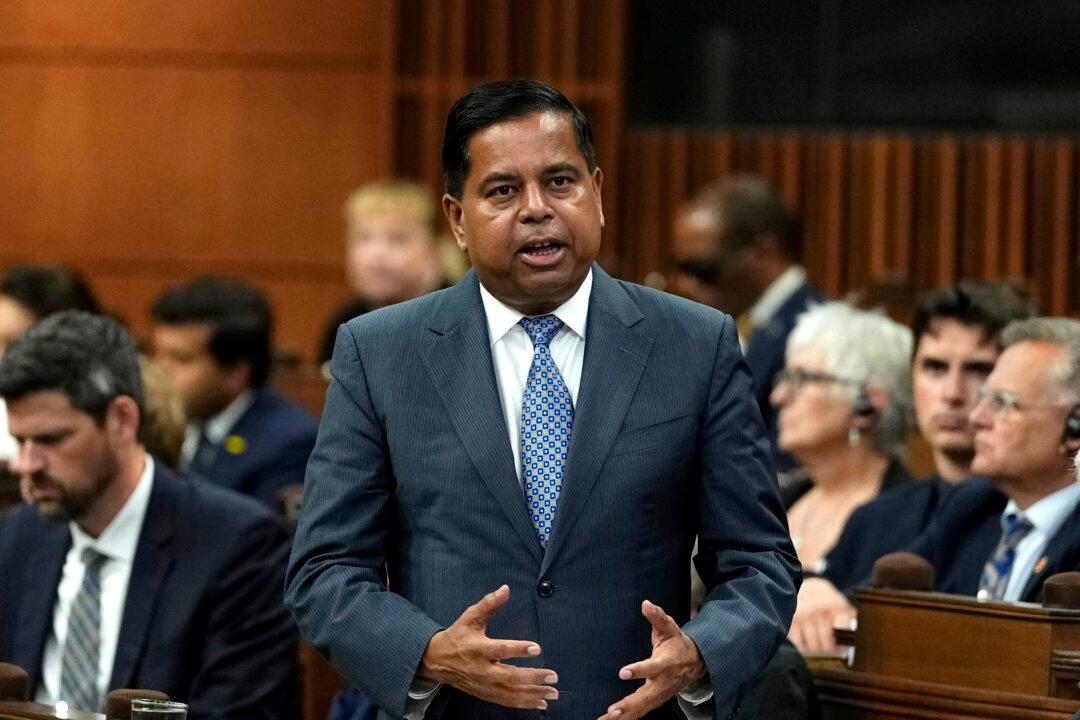
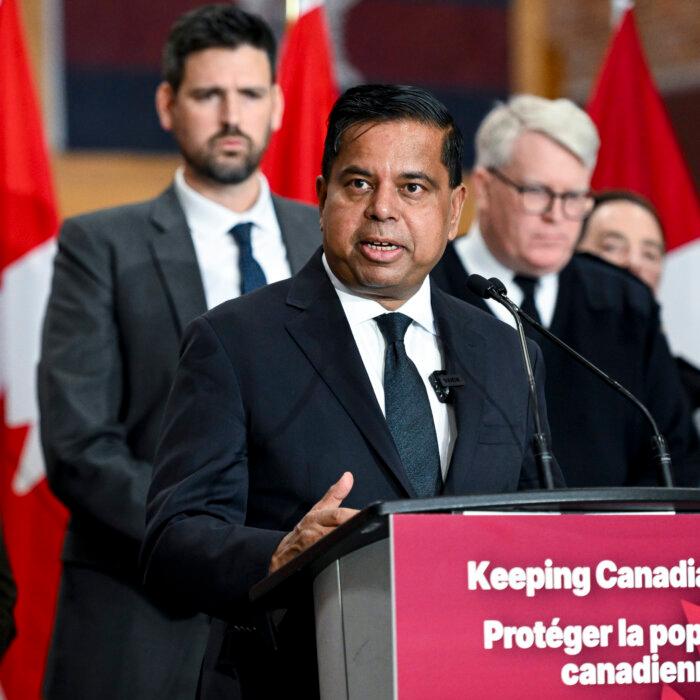
At the time, Virani proposed the creation of a Digital Safety Ombudsman who would give “support to users of social media services.” The proposal, which was unsuccessful, was a step back from Bill C-36, which had proposed that a Digital Safety Commissioner be granted authority to block lawful websites with content considered harmful.
During the same 2024 hearings, Conservative MP Larry Brock said Bill C-63 would “force Canadians into a false choice between their safety and free expression, instead of addressing the real issues,” and would silence Canadians “under the guise of security.”
Brock said the legislation could result in long prison sentences for “mere words” judged to be “motivated by hatred.” Noting that the government claimed the bill was only aimed at applying strong penalties where a serious incident had occurred, he said the wording of the bill did not reflect this aim.
New Democrat MP Don Davies said that, while he supported protection against online harms, he was concerned about warnings raised by the Canadian Civil Liberties Association that the legislation would give “sweeping powers” and pose a “significant threat to privacy rights.”
Future Legislation
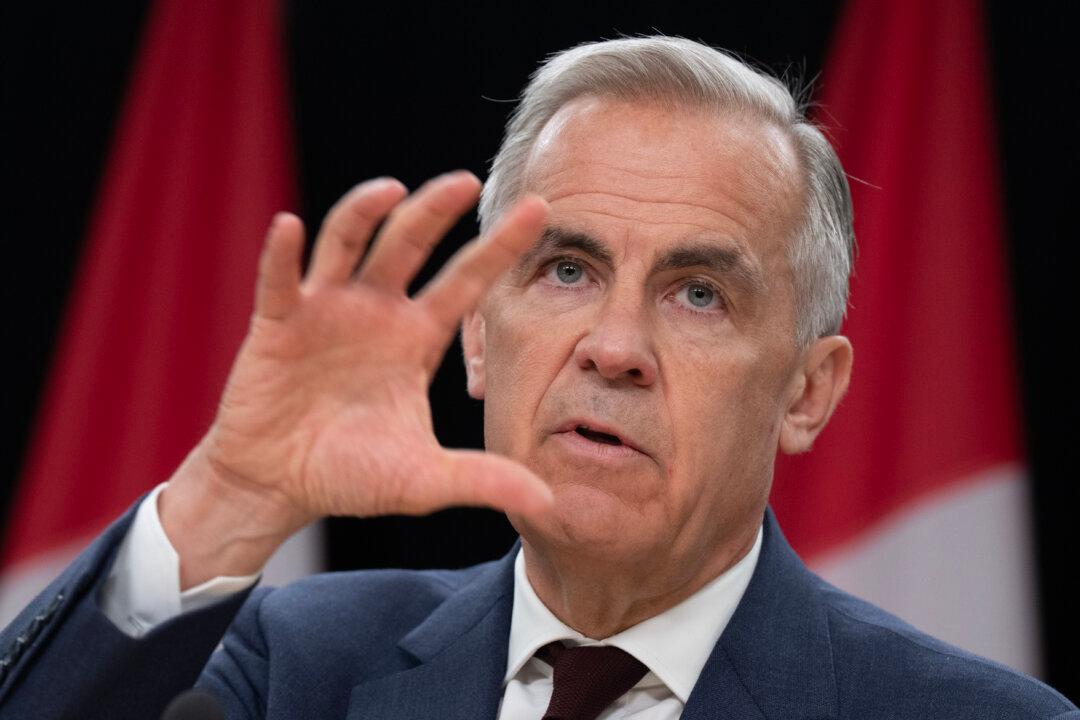
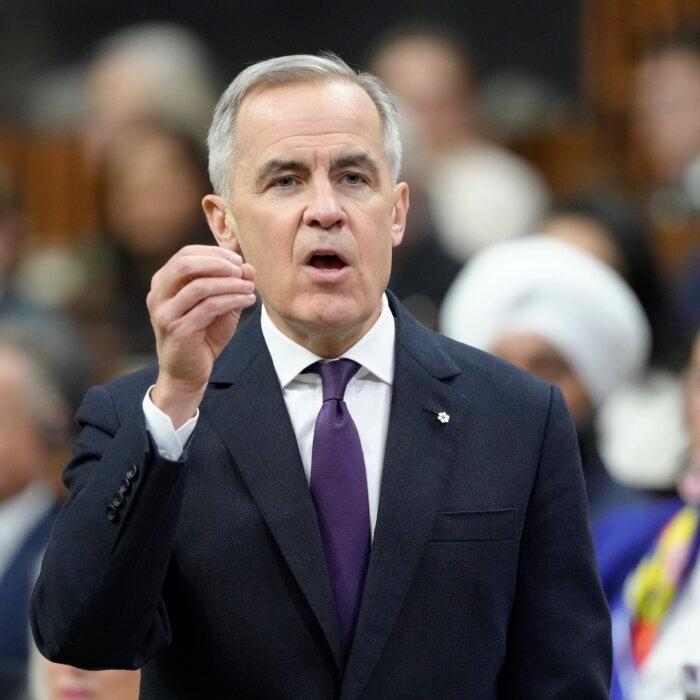
Late last year, Attorney General Sean Fraser said new legislation regulating online content will differ from previous proposals.“You should not expect to see the identical bill copied and pasted in its previous form,” he said in Senate question period on Nov. 19, 2025.
A few months earlier, then-Heritage Minister Steven Guilbeault had said upcoming legislation regarding online harms would be similar to the versions tabled in 2024 and 2021, saying the moves were part of a “commitment to combat online harms.”
The platform also promised to “introduce legislation to protect children from horrific crimes including online sexploitation and extortion and give law enforcement and prosecutors the tools to stop these crimes and bring perpetrators to justice.”