Interest payments on Canada’s federal debt are expected to reach $69.9 billion by 2029, according to the Parliamentary Budget Office (PBO).
As originally reported by Blacklock’s Reporter, the PBO said that the 2025–26 Main Estimates showed $49.1 billion in spending on servicing public debt, which is a $0.7 billion increase from the 2024–2025 Estimates. However, the report said the effective interest rate is expected to stabilize after 2025, which will slow the growth in public debt charges.
The government is projected to spend more on servicing its debt than on federal health care, at an estimated $64.8 billion, by 2029. Ottawa is projected to spend $103.8 billion on elderly benefits by 2029.
In 2024, the federal debt ceiling under the Borrowing Authority Act was raised from $1.83 trillion to $2.13 trillion.
When those Canadians were asked to rate Ottawa’s management of the economy, “a large number felt that the Canadian economy had not been well managed in recent years,” and cited issues such as high interest rates, the rising cost of living, a growing national debt, and continued deficit spending.
“A few believed that the Government of Canada had placed too high a priority on providing financial and/or humanitarian assistance to other countries and felt that it needed to place an increased focus on addressing the economic challenges faced by those living in Canada,” said the report.
“Asked whether they felt the Government of Canada was on the right track when it came to its management of the economy, very few believed that it was.”
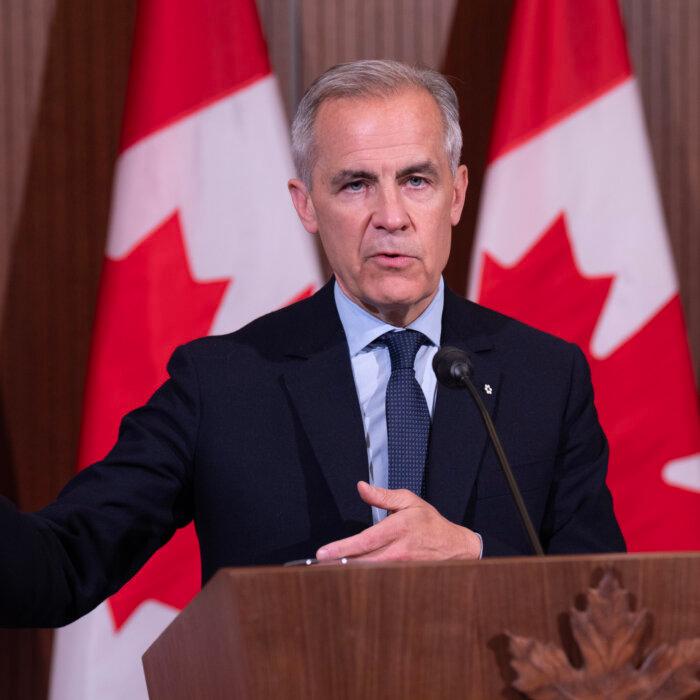
The Liberals under Prime Minister Mark Carney are not forecast to balance the budget, with their costed platform released during the election cycle in April showing they would add $225 billion to the federal debt over the next four years. Carney has said he would balance the operating budget by 2028 by separating out what are deemed as government capital investments.