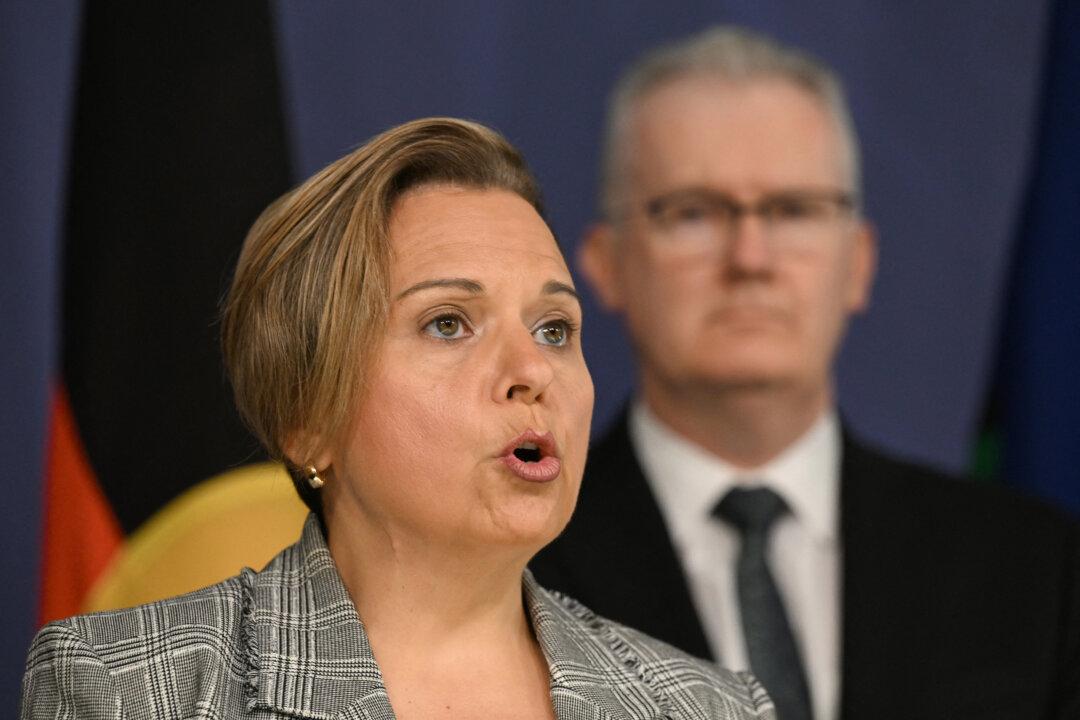
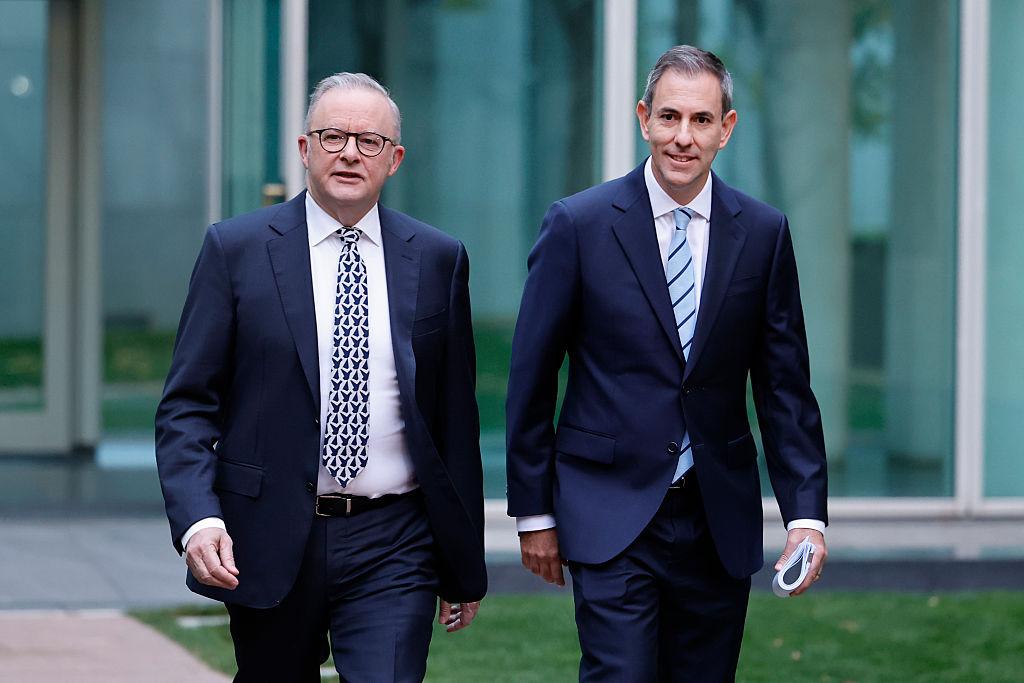
Prime Minister Anthony Albanese has struck a long-awaited deal with the states and territories, committing an additional $25 billion for public hospitals in a bid to end months of protracted negotiations over funding.
The agreement was finalised at a national cabinet meeting in Sydney on Jan. 30.
Under the deal, the Commonwealth will provide a total of $219.6 billion to the states and territories over the next five years.
“This is three times more additional funding for public hospitals than was agreed to under the last five year agreement,” Albanese told reporters.
“We’ve reached a landmark agreement to deliver record funding to state and territory hospitals, but also secure the future of the National Disability Insurance Scheme (NDIS).
NDIS Trade-Offs and Thriving Kids Program
States and territories have agreed to take responsibility for delivering some disability services outside the NDIS.

This includes the new Thriving Kids program, designed to support children with mild to moderate developmental delays and autism
Health Minister Mark Butler said earlier in the day that the program’s original July 1 start date may be delayed by several months after states requested more time to prepare.
Albanese later confirmed Thriving Kids would begin later this year, with full implementation expected by Jan. 1, 2028.
National cabinet also agreed to work towards reducing the annual growth rate of NDIS spending to six percent or less, down from the current target of eight percent.
Deal Done After Months of Negotiation
The deal follows months of negotiations between the Commonwealth and the states, which have called for assistance to deal with rising demand from population growth, and ageing infrastructure.State and territory leaders initially pushed for at least $30 billion in additional funding over five years.
The federal government began negotiations with an offer of $20 billion, later lifting it to $23 billion, before finally agreeing to the $25 billion package.
Also, under funding arrangements agreed in 2023, the Commonwealth committed to lifting its share of public hospital funding to 42.5 percent by 2030, with a further increase to 45 percent by 2035.
Late last year, all premiers and chief ministers jointly pushed for the funding deal to be sorted, in turn, Albanese wrote to the leaders urging them to rein in hospital cost growth.
“For states and territories to realise a Commonwealth contribution of 42.5 percent of public hospital costs by 2030-31, under the capped glide path model, it will be necessary for your government to work to reduce growth in hospital activity and costs to more sustainable levels,” the letter said.
Rising Demand, Ageing Infrastructure
A recent report by Infrastructure Victoria found several major Melbourne hospitals were operating beyond capacity and in urgent need of upgrades.The Alfred Hospital for example had been forced to close wards and reschedule procedures due to constraints, adding that its operating theatres “urgently need replacing.”
It also identified major issues at Austin Hospital and Royal Melbourne Hospital, where some facilities were not fully used and some were past their expected lifespan.
While in New South Wales, the Bureau of Health Information found 28 percent of surveyed patients were turned to hospital EDs because they could not secure a timely GP appointment or access bulk-billing.
The findings come as NSW hospitals face record demand, with 787,590 emergency department presentations in the September 2024 quarter—a 2.1 percent increase on the same period last year. Ambulance responses also hit a record 385,873, up 6.2 percent year-on-year.