Pet owners may need to pay attention to their pets’ health during wet weather, as recent research has suggested a link between higher rainfall and a fatal parasite disease.
A team of scientists at the University of Sydney has found an upward trend in the number of cases of rat lungworm disease in dogs, or canine neural angiostrongyliasis (CNA), in Australia between 2010 and 2024.
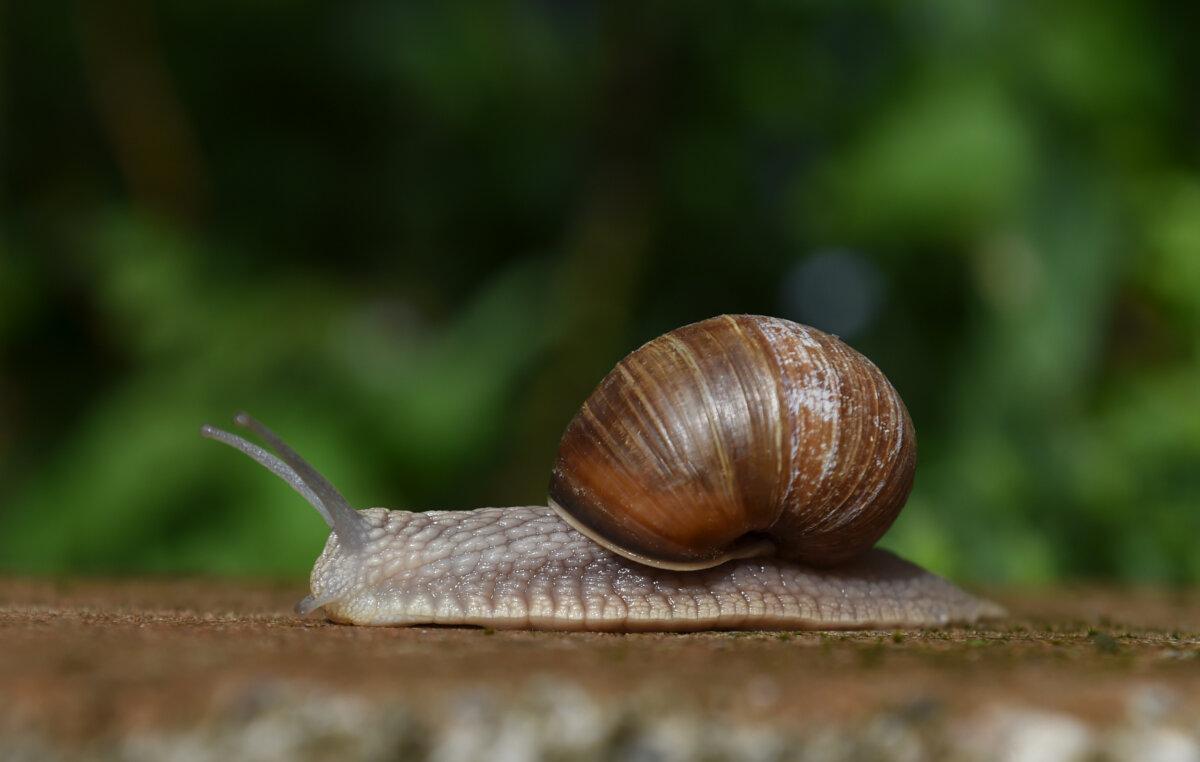
CNA is caused by the rat lungworm parasite, which is usually passed between snails or slugs and rats as part of their natural food chain.
Pets and humans can be infected with the parasite if they consume raw or undercooked snails or slugs, or raw vegetables contaminated with the slime of these infected creatures.
The parasite is not transmitted from dogs to humans.
Once ingested into the body, the parasite larvae can move through the bloodstream to the central nervous system, including the brain and spinal cord, where they can cause significant damage to pets or humans.


Pets infected with the parasite can show signs of extreme pain in the neck and back, reluctance to move or unwillingness to eat or drink.
Symptoms of the disease in humans include headaches, neck stiffness, nausea, vomiting, and other neurological problems in severe cases.
According to the University of Sydney scientists, the mortality rate of the rat lungworm disease in dogs can reach as high as 58 percent in Australia.
In 2018, a Sydney man died after being infected with the rat lungworm parasite for eight years.
Increase in CNA Cases
The University of Sydney research (pdf) indicated there were 92 cases of CNAs across the country between 2010 and 2020.However, 93 cases were recorded in just four years between 2020 and 2024, with the highest number of infections (32) occurring in 2022.
Despite a considerable drop in the past two years, the number of CNA cases has not returned to the pre-2019 levels.
It is worth noting that all these new cases only took place in Queensland and New South Wales (NSW).
The researchers found a connection between CNA infections and the decreasing temperatures and higher rainfall observed in the two states.
“There was also evidence of a lag effect from recent historical rainfall occurring a few months prior to the seasonal spikes in CNA rates,” the report said.
The report authors explained that rainfall encouraged the proliferation of snails and slugs, which likely resulted in higher availability of infective larvae.
Meanwhile, lower temperatures are likely to have an impact on the development of the parasite in gastropods and dogs.
How to Protect Your Pets and Yourself from Rat Lungworm Disease
According to the Vet Village Clinic in Sydney, although it can be difficult for pet owners to stop their dogs from eating slugs or snails, they can help prevent infection by regularly using monthly parasite control treatments.While the treatments will not totally remove the risk of getting the disease, they can reduce the chance and severity of the infection.
Pet owners can also clean their pets’ food bowls more frequently to prevent contamination from snails’ and slugs’ mucus.
Controlling the snail and slug population in households with non-toxic measures is another way for pet owners to reduce the risk of the disease.
The department also suggests people wash their hands thoroughly after gardening or handling snails and slugs, and supervise young children to prevent them from coming into contact with these creatures.