Two locations in the popular Byron Bay have been given Aboriginal names following requests from the local community.
Dual naming has become more prevalent in recent years with authorities giving cities, towns, and destinations Aboriginal names along with the standard English name.
Cape Byron will now also be known as “Walgun,” with Julian Rocks now to be known as “Nguthungulli.”
Byron Bay is a beautiful beachside town in northeastern New South Wales, 772 kilometres north of Sydney and 165 kilometres south of Brisbane. Cape Byron also marks the most eastern point of Australia’s mainland.
It has an iconic lighthouse built in 1901 which is a popular tourist destination for hikers looking to take in breathtaking views of the ocean.
Julian Rocks/Nguthungulli is a popular diving and snorkelling location known for its marine diversity.
The NSW Geographical Names Board approved a submission from the National Parks and Wildlife Service for the double naming.
The government has been supportive of dual naming for geographical features and cultural sites since June 2001.
“Where a geographical feature has a non-Aboriginal name, a traditional Aboriginal name can be assigned.”
The traditional Aboriginal name will hold “equal status” to the non-Aboriginal name and can be used on its own or in combination with the English title.
Cape Byron is known by the local Aboriginal community as Walgun, meaning “shoulder” in the Bundjalung Language.
“Walgun/Cape Byron maintains significance to the Arakwal and other Bundjalung people, with the area being used for important gatherings and ceremonial practices.”
Nguthungulli is a traditional name used by the Arakwal people which means Father of the World.
“Nguthungulli/Julian Rocks is a significant and sacred Aboriginal site associated with several dreaming stories of the Bundjalung of Byron Bay (Arakwal) people and other Bundjalung people,” the government said.
A reserve in Bangalow has also been named Piccabeen Park. The word Piccabeen is a Bundjalung word that describes the Bangalow Palm.
Heritage and Environment Minister Penny Sharpe said the dual naming acknowledges the traditional custodians and their special connection to these culturally, spiritually and historically significant sites.
“I want to thank the Traditional Owners who have worked to have these places dual named, and I look forward to them being used so we can tell more of the stories of these important areas.”
Meanwhile, Minister for Customer Service Jihad Dib said dual-naming acknowledges the significance of Aboriginal culture.
“Place naming gives communities the opportunity to unlock past stories, preserve traditions, reawaken language and provide a sense of belonging and identity,” he said.
The New South Wales government has dual-named 45 geographical features to date.
The practice, however, has attracted criticism.
In an opinion piece for The Epoch Times in August 2023, former Coalition Minister Eric Abetz said dual-naming cities was simply “virtue signalling.”
“It also appears that some names are being made up and developed in air-conditioned offices by activists which festers resentment not only with other Australians but also within Aboriginal communities themselves,” he wrote.
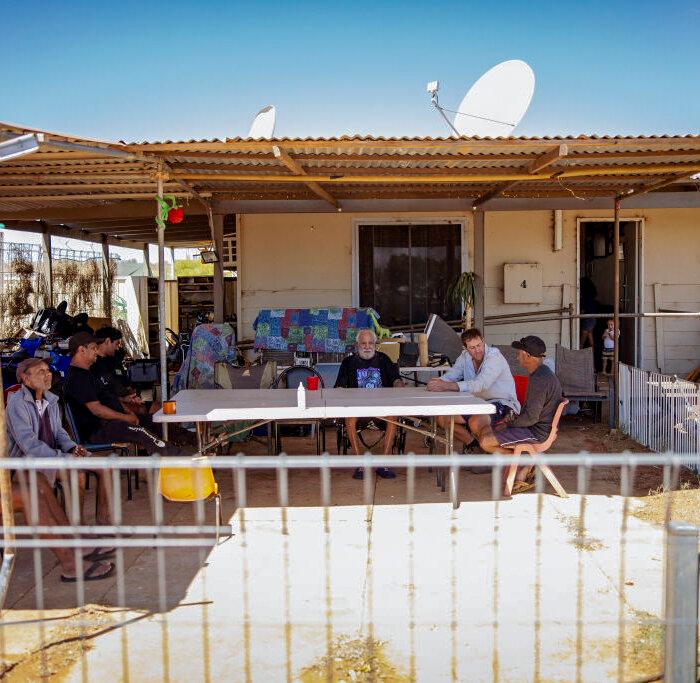
“All the while the real issues Indigenous communities face remain unaddressed, despite the $39 billion in federal funding annually.”