A Supreme Court in New South Wales (NSW) has accepted a lawsuit by the families of two deceased U.S. firefighters who sued the state’s Rural Fire Service (RFS) over a tragic aircraft crash in 2020.
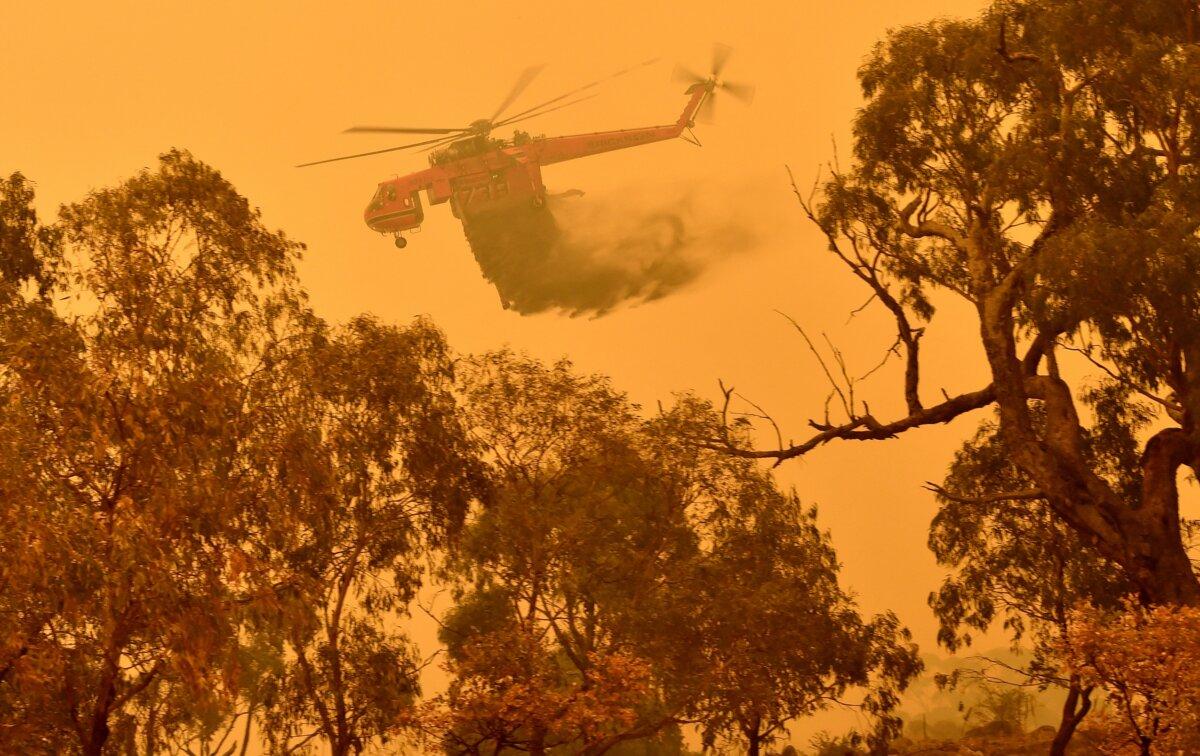
On Jan. 23, 2020, a C-130 Hercules aircraft of the Canadian aerial firefighting company Coulson Aviation crashed in southern NSW while on duty, killing three crew members onboard.
The deceased were Captain Ian McBeth, 45, First Officer Paul Clyde Hudson, 42, and Flight Engineer Rick DeMorgan Jr, 43.
All three were American citizens and previously had careers in the U.S. Army before working for Coulson Aviation.
At the time of the incident, the company had been contracted by the RFS to help control the Black Summer bushfires, one of the worst bushfires in Australia’s history.
How the Crash Occurred
According to a 2024 inquest (pdf) by the Coroners Court of NSW, the deceased firefighters were ordered to fly a large air tanker to drop retardant at a fireground at Adaminaby in the Snowy Mountains range on the day of the incident.
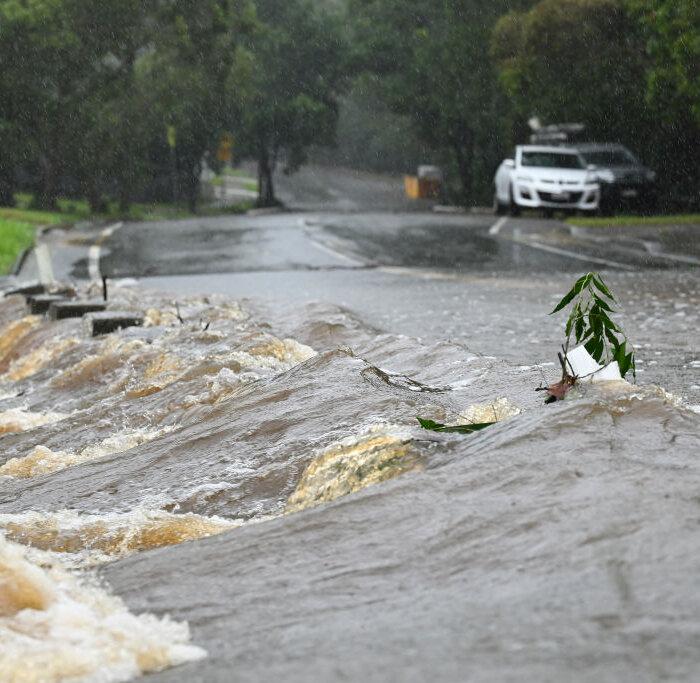
It was forecast that Jan. 23, 2020, was a day of extreme fire danger with multiple fires burning across NSW and strong wind conditions.
Before Captain McBeth and his team took off, the pilot of a different surveillance aircraft refused to take a mission due to concerns about the weather conditions.
When the crew arrived at the Adaminaby site, they found that the conditions there were hazardous and unsuitable for the retardant jettison run.
They then changed court to another fireground, Good Good, where they carried out a partial drop before the aircraft encountered an incident and crashed.
An investigation revealed that the C-130 Hercules was likely subject to a significant wind change that caused it to lose power and stall.
The Lawsuit
According to court documents, the two widows alleged that the organisations were negligent in exposing the firefighters to a foreseeable and significant risk of harm by failing to take necessary precautions.Specifically, they raised the issue that the firefighters should have been informed about the decision of the surveillance aircraft pilot who refused a mission due to extreme conditions.
While the RFS acknowledged in the inquest that there was further information that could be provided to the crew, it argued that the firefighters had received sufficient information to decide whether to take the mission.
During a brief Supreme Court hearing in late June, Justice Richard Cavanagh was informed that the widows had changed lawyers to serve fresh expert reports.
RFS’s Response
An RFS spokesperson acknowledged that the lawsuit has commenced in the NSW Supreme Court.“As the matter is before the court, the RFS is unable to comment further at this time,” the spokesperson told The Epoch Times.
“The RFS acknowledges the ongoing impact of this tragic event on the families of the C-130 crew, the fire management teams, and the local brigades who responded to the incident.”