Shadow Treasurer Tim Wilson says Labor’s budget has “completely fallen apart” after the government backtracked on some of its proposed tax reforms.
The measure was introduced in an attempt to steer property investors away from buying existing homes to build wealth through capital growth, but the government’s reforms were expected to affect all capital gains, including those earned by businesses.
Following the government’s announced carve-outs, “innovative businesses” will continue being allowed to access the existing 50 percent CGT discount, while eligibility for the existing 50 percent active asset reduction for small businesses will be expanded.
The government has also dropped plans to introduce a 30 percent minimum tax on new discretionary testamentary trusts—which come into effect after a person dies—following strong criticism, with opponents labelling the measure a “death tax.”
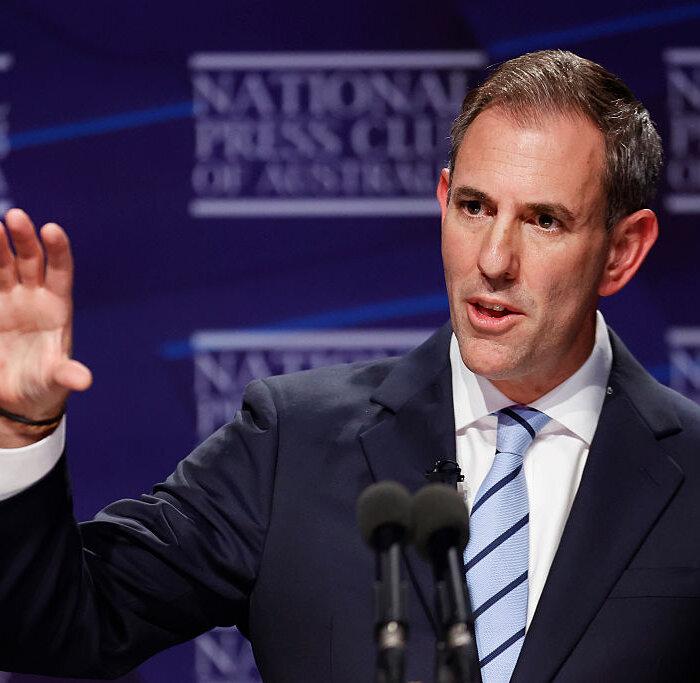

Wilson said Labor had “hashed their budget every step of the way” and had lied to Australians.
“They’ve now gone and introduced a budget which has completely fallen apart.
“Who’s going to wear this? It’s actually the Australian people, because while there are obviously some carve-outs, it doesn’t change the fact that millions of Australians are going to be paying higher taxes they didn’t vote for as a consequence of this budget, and the government is now trying to gloss over it.”
Meanwhile, Treasurer Jim Chalmers has denied that the tax reforms were a wrong move by the government.
“We flagged on budget night that we would do consultation on start-ups and in other areas to make sure that we got the final implementation details right,” he told ABC Radio.
Under the government’s changes to CGT, gains from brand new housing developments can either be taxed under the existing 50 percent discount or under the new indexation system, but Labor has not extended the same option to businesses.
Chalmers returned the conversation once again to consultation, which he said had been “real and meaningful.”
“It’s not possible to do all of that before the announcements on budget night, but it’s also not unusual for that consultation to take place after,” he said.
“We’ve said for some weeks, particularly when it comes to the threshold for small business carve-outs and concessions, that we’re prepared to discuss that with the small business organisations. We’ve been doing that.”