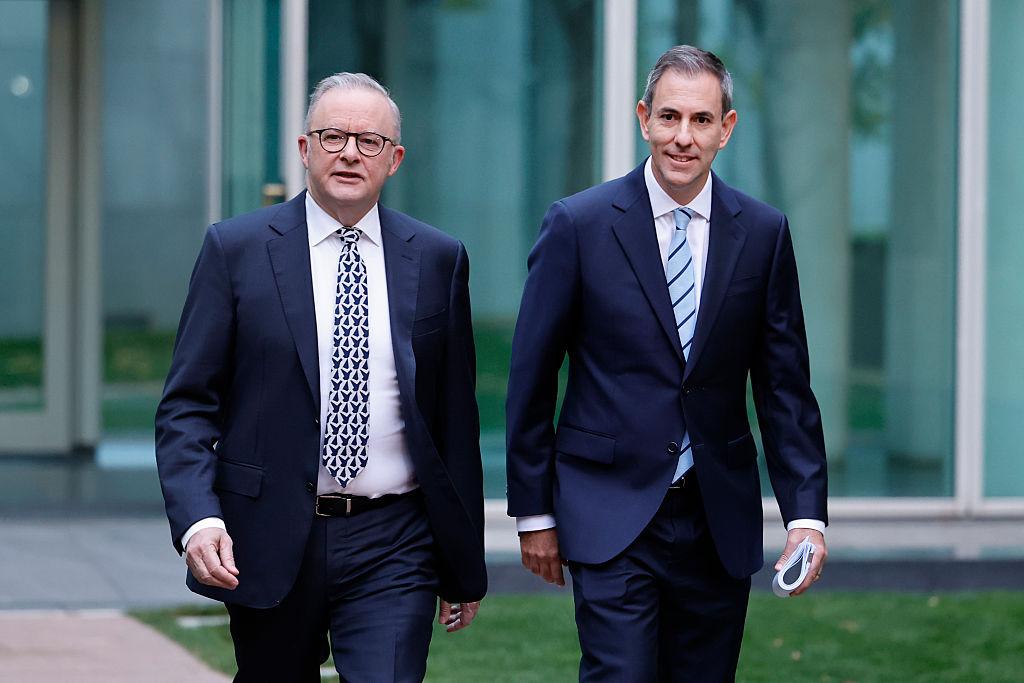
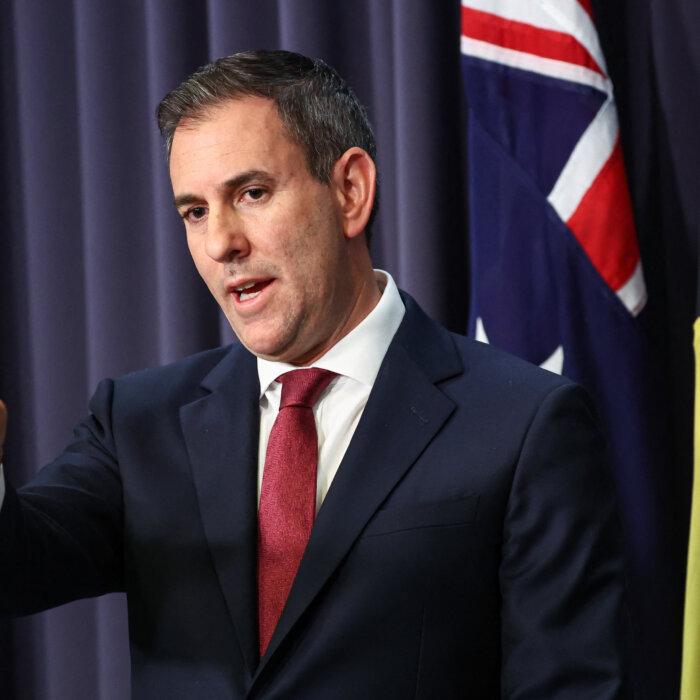
Treasurer Jim Chalmers wrapped up his much-hyped three-day productivity roundtable last week with agreement on ten priorities, from scrapping nuisance tariffs to introducing a road user charge for electric vehicles.
But while the government hailed consensus, some economists and commentators dismissed the outcomes as underwhelming and misdirected.
Red Tape and Productivity Doubts
Gigi Foster from the University of New South Wales said she was positive about three priorities: reducing red tape, workforce development, and tax reform.“On declining per capita productivity, again I’d point to over-regulation as one underlying cause that the government could perfectly well begin to address,” she told The Epoch Times.
Graham Young, executive director of the Australian Institute for Progress, also spoke to The Epoch Times and warned that cutting red tape is easier said than done.
“There was an agreement to cut red tape, but that is easy to agree to, and difficult to enact,” he said.
He pointed to the pause on the new National Construction Code as an example of misplaced reform.
Roundtable Disappointments
Foster dismissed other priorities, including making AI a national focus, creating a single national market, and modernising government services.“Those least-important three are mainly nice-sounding fig leaves using which government actors can hide favours to well-connected people while actually not delivering anything of real use or help to the Australian people,” she said.
Young was more blunt, calling the roundtable “deeply disappointing.”
He said Australia’s economy and tax system remained “on a knife-edge” due to heavy reliance on company tax and royalties from coal and iron ore exports to China.
“Apart from the risk of an economic downturn in that country, they neglected entirely the mercantilism of China, plus the fact that it is Australia’s biggest security threat,” he said.
He also criticised the omission of immigration from the discussions, calling the intake “unsustainable” and blaming it for historically high housing costs, inflation, and falling productivity.
EV Tax Welcomed, Spending Limits Rejected
Both experts agreed on one point: support for a road user charge on electric vehicles. Young called it “long overdue,” noting it was a rare example of a practical measure.Road User Charging (RUC) is a distance-based fee for drivers—particularly EVs and heavy vehicles—designed to fund road maintenance and infrastructure. While the policy drew broad support, no final model was agreed upon.
But Young said the government’s refusal to limit expenditure to a fixed percentage of GDP was a major concern since increasing such spending indicated a larger government sector, which in turn pushes the private sector out and lowers the economy’s efficiency.
“So higher taxes, bigger government, same level of red tape, no plan to diversify sources of national income, and increased demand for limited resources from immigration,” he said.
Coalition Joins Critics
The event also failed to impress the Opposition, which dedicated much of Question Time to criticising it.Opposition Leader Sussan Ley labelled the forum a “Canberra talk fest.”
She said the “best announcement” was Labor’s partial adoption of Coalition housing policies, such as the freeze on the Construction Code and a smaller-deposit scheme for first-home buyers.