
Electric car sales hit a fresh record in the September quarter, tightening their hold on the Australian market as petrol and diesel vehicles recorded their lowest ever share.
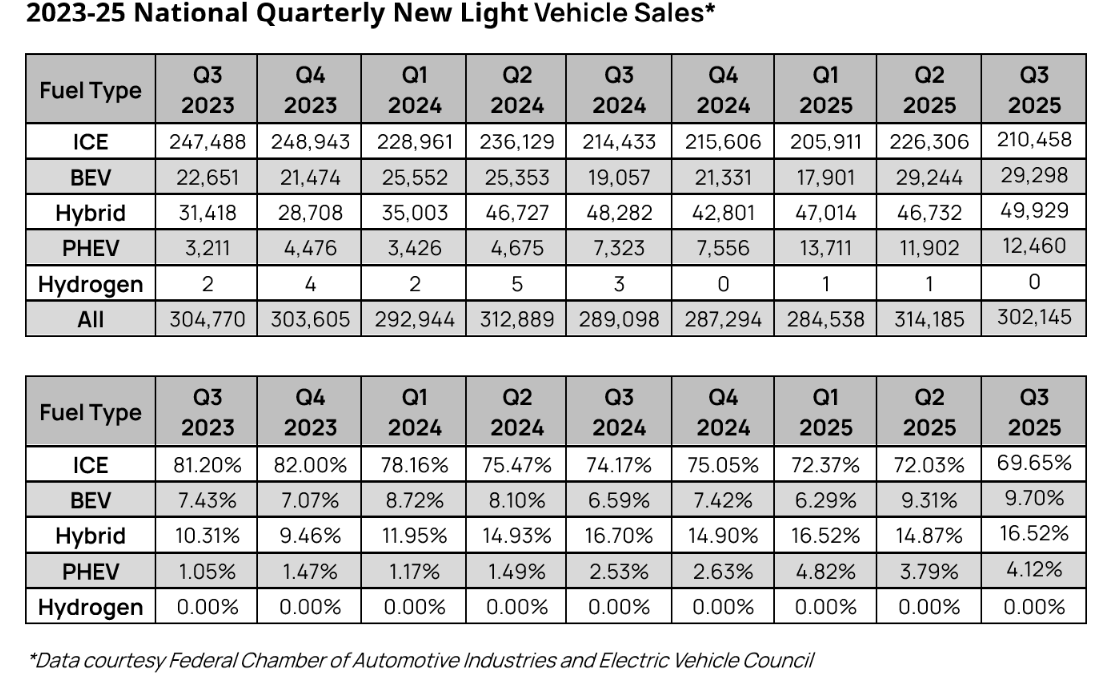
New data shows 29,298 fully electric cars were sold between July and September, slightly higher than the previous quarter, even though overall car sales fell by 3.83 percent.
With fewer cars sold overall, electric vehicles (EVs) captured 9.7 percent of the market, up from 9.31 percent in June, revealed the latest Australian Automobile Association’s EV Index released on Nov. 10.
Hybrid vehicles also continued their strong showing, accounting for 16.52 percent of all new cars sold during the period.
Plug-in hybrids reached 4.12 percent—their second-highest quarterly share since national tracking began late 2023.
Australians’ preference for SUVs remains unchanged. Medium-sized SUVs alone made up 26.06 percent of all new cars sold in the September quarter, making them the single most popular vehicle type in the country.
Medium SUVs Lead the Transition
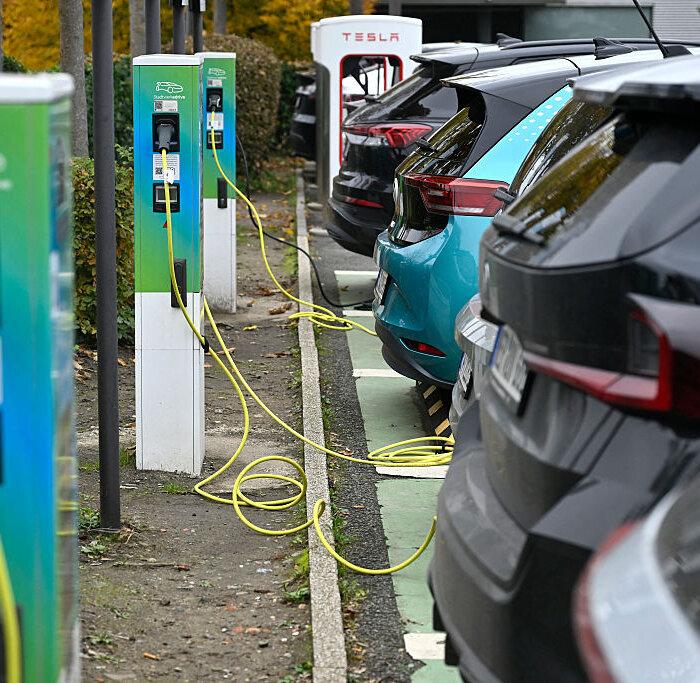
The shift toward EVs is most visible in the medium-SUV category.Medium SUVs are now the strongest-selling electric, hybrid, and plug-in hybrid cars in the country. More than 60 percent of all electric cars sold in the quarter fell into this category, as did nearly half of all hybrids and plug-in hybrids.
Petrol and diesel models still made up the largest share of sales in this segment at 43.03 percent.
But demand is changing rapidly: hybrid models accounted for 27.02 percent of all medium-SUV sales and fully electric models surged to 22.7 percent, the highest level ever recorded for this type of vehicle.
Tax Breaks Driving Demand
One major factor behind the surge is a generous tax exemption introduced by the federal government.Since July 2022, electric and plug-in hybrid vehicles below the luxury-car price threshold have been exempt from fringe benefits tax when given to employees as part of their salary package.
This effectively makes electric cars cheaper for fleet buyers, including corporate and government fleets, which purchase a large share of new vehicles in Australia.
Meanwhile, at the national productivity roundtable in August, the idea to bring in a distance-based charging system for electric cars gained bipartisan support.
The proposal, known as a road-use charge, would require drivers to pay based on how far they travel.
This would act as a fuel excise for EVs, helping governments replace revenue lost from declining fuel taxes as more drivers shift away from petrol and diesel.
Treasurer Urges Caution
Only weeks later, Treasurer Jim Chalmers warned the government would not rush into introducing the tax.He said the priority was to keep electric-car adoption growing, not to risk slowing it down.
Major car manufacturers have already scaled back global electric-vehicle investments because of slower-than-expected consumer uptake, and Chalmers said Australia should not add further barriers.
“We want to see more and more people take up the opportunity of an electric vehicle,” he told reporters.
“We’re very conscious of finding the right balance so we can continue encouraging people into an EV with the tax cuts we are providing.”
Australia Falls Behind
Around the world, electric-car demand is accelerating even faster than in Australia.EV sales in China boomed, with more than 11 million electric cars sold in 2024, and monthly electric-car sales surpassing petrol-car sales. EVs are on track to make up nearly half of all cars sold in China this year.
Europe is moving more slowly. About one in five new cars sold across the continent in 2024 were electric—the same share as 2023—after many countries cut back subsidies.
The UK bucked that trend. Electric cars made up nearly 30 percent of all new car sales, helped by new rules requiring carmakers to reach minimum zero-emissions targets.