She won the first Australian season of singing reality show, “The Voice,” now she’s lending her voice to struggling farmers.
Karise Eden is ambassador for Farm Angels, a small charity dedicated to helping rural communities, and hopes to remind everyday Australians to “thank a farmer” for providing the food on their plates, and the clothes on their backs.
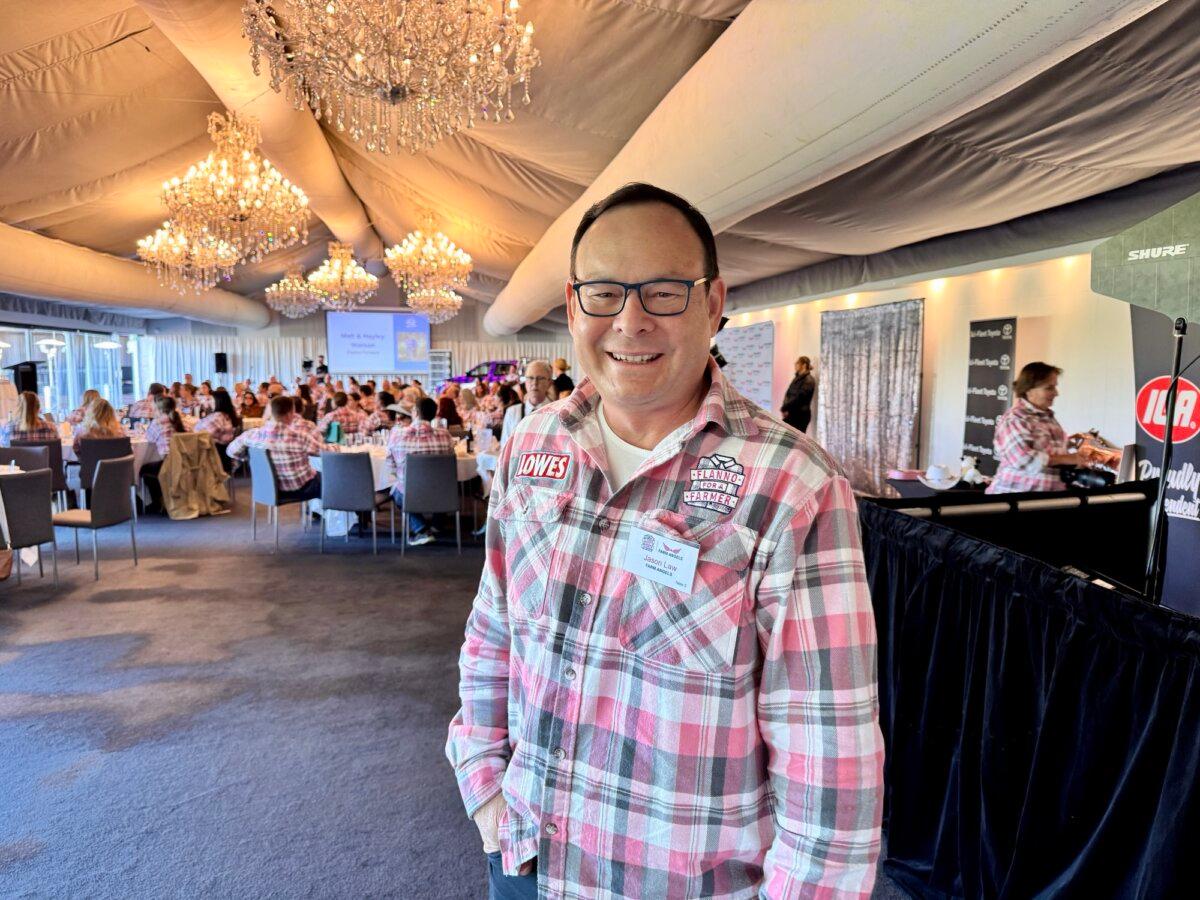
The group hosted its inaugural fundraising event in Brisbane’s Victoria Park, called “Flanno Feast for Farmers.”
“I think these events are so important because ... people in the city take all this stuff for granted, and they don’t realise that if we’re wearing clothes, if we’re eating food, if everything we do every single day—you can thank a farmer, an Aussie farmer,” she told The Epoch Times.
“If you’re eating, thank a trucker. If you’re eating, thank a farmer. And if you’re eating in peace, thank the ADF [Australian Defence Force] as well.”

Eden says events like Flanno Feast for Farmers helps bring perspective to city folk.

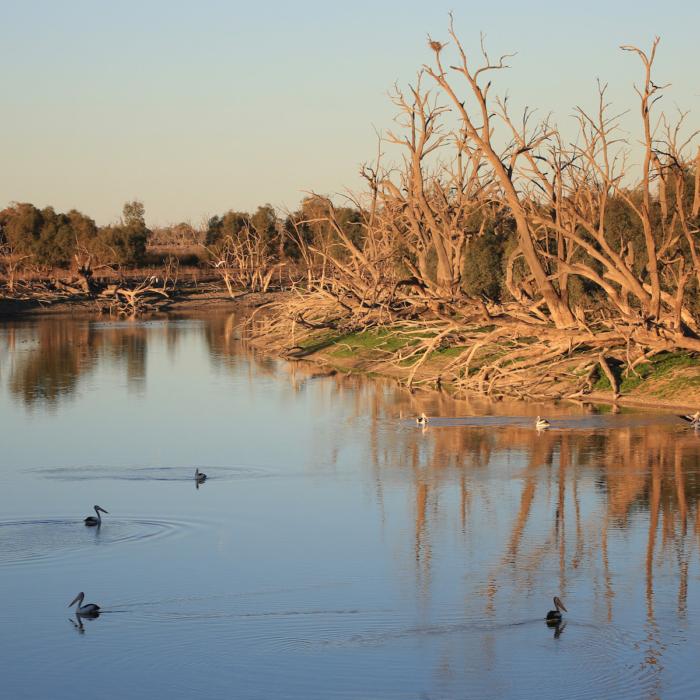
“Being able to just remind everybody of our luxuries, where we’ve been blessed to be born in this 100 years. Where we have running water in our homes and and all these sorts of things, we’ve been born in this incredible time of technology,” Eden said.
“There’s moments in those luxuries that we forget where it all came from,” she said. “And I think it’s a beautiful moment to sit back and pay homage and respect to all that Aussie farmers are doing.”
Eden, who won The Voice contest in 2012, now lives on a rural property with her husband in the Lockyer Valley region of South East Queensland.
Encountering Aussies Who ‘Don’t Support Farmers’
Farm Angels’ CEO Jason Law said the initiative was aimed at making Australians “fall in love with farmers again.”“We want Australia to fall in love with farmers again, and to support us to support farmers,” he told The Epoch Times.
“Because people, I think, have forgotten, with the mass consumerism ... they’ve forgotten where their food comes from,” he said.
Law said he'd strike up conversations with people at supermarkets, who identify as vegans or vegetarians, who say they “don’t support farmers” and “don’t eat meat.”
The CEO would ask where they think vegetables come from, and they would point to “companies” and “big tents” of produce.
Law said people would be surprised to hear that things like kale, tomatoes, lettuce, and lentils all come from farming.
“There’s a saying, ‘Without farmers, we’d be hungry, naked, and thirsty,'” he said.
Drought, Inflation, and Mental Stress
The CEO also revealed the stark realities facing farmers who are not only dealing with drought and water shortages, but also inflation across the cost of fuel, wages, fertiliser, pest management, and in particular, feed.“Instead of grazing, they’ve got to bring up feed and take it to their animals and [hand feed]. And that’s extremely tiring. It takes all day,” Law said.
“When you have to maintain a farm, the last thing you want to do is to spend most of your time actually driving feed out to your stock all the time, and it’s extremely expensive.”
Law said one moderate sized farming operation was spending about $360,000 on feed in a year, smaller operations with just 40 to 60 cattle were spending about $1,000 per week.
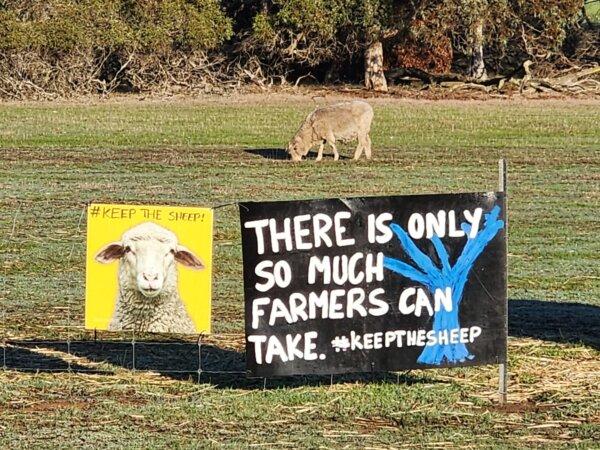
In one agriculture forum, Law said he heard larger operations could be spending about $100,000 per week.
On an even more ominous note, Law said the mental stress of balancing costs and running large operations was feeding into higher suicide rates.
“When you’re seeing every 10 days a farmer taking their own life because they can’t see another way out, we [Farm Angels] want to want to nip that in the bud,” Law said.
The suicide rate is 1.6 times the average rate.
“We had late last year, one of our ambassadors in Victoria called us and said in a two-week period, three farmers in her local district took their own lives.”