Europe’s solar power boom is putting huge pressure on electricity grids that were never built to handle this much renewable energy, according to analysts.
As a record number of new solar panels are being installed every year, the old grid system is struggling to keep up.
But the rapid expansion has exposed cracks in Europe’s energy system, threatening to slow the transition unless grids catch up.

Susanne Nies, energy analyst and project lead at the Helmholtz Center Berlin, told The Epoch Times that Europe’s power system is under heavy strain because it was designed for a time when electricity made up only a small share of total energy use.
“When you go to the countryside and countries like France or even Germany, those grids have been built in the ’50s. They are really nearly 70 years old,” she said.
Europe’s electricity system was initially designed for one-way flows—from large power plants to homes and businesses, Nies said, and now, it must handle power flowing in both directions, as millions of solar panels feed energy back into the grid.
She said today’s grid needs to combine large regional “super grids” with smaller, local systems that can operate independently during emergencies.
Harry Wilkinson, head of policy at the Global Warming Policy Foundation, said the challenge is not only that Europe’s grid is aging but also that it must be vastly expanded to connect power sources that are far more scattered than in the past.
Voltage Problems and Spain’s Grid Struggles
Most voltage problems in 2024 originated from Sweden’s Svenska kraftnat, which implemented automated reporting, while operators in Slovenia, Moldova, and Romania also experienced increases as renewables expanded, according to Eurelectric.Others fared better: Hungary’s MAVIR cut incidents for a second year, and grid operators in Spain, the Netherlands, and France reported none at all.

Nies said that although in Spain’s case, the solar power grid was not the culprit, it has not been updated as fast as needed, and parts of it could be improved.
Wilkinson disagrees that it wasn’t the grid’s fault. He told The Epoch Times that renewables are simply more complicated to manage as a technology.
Nies noted that Spain remains poorly connected to its neighbors, while Germany’s grid is far more integrated, with four transmission operators and nearly 900 distribution system operators that manage local electricity networks.
According to independent energy consultant Kathryn Porter, location plays a far greater role in weaker grids. While frequency stays consistent across a network, voltage is a local factor that must be stabilized by nearby equipment.
Grid Spending
Solar power supplies 22.1 percent of the EU’s electricity, according to energy think tank Ember Climate, compared with 12.4 percent in China.The International Energy Agency (IEA) says investment in transmission and distribution networks is becoming critical as grid upgrades struggle to keep pace with the rapid buildout of low-emission power.
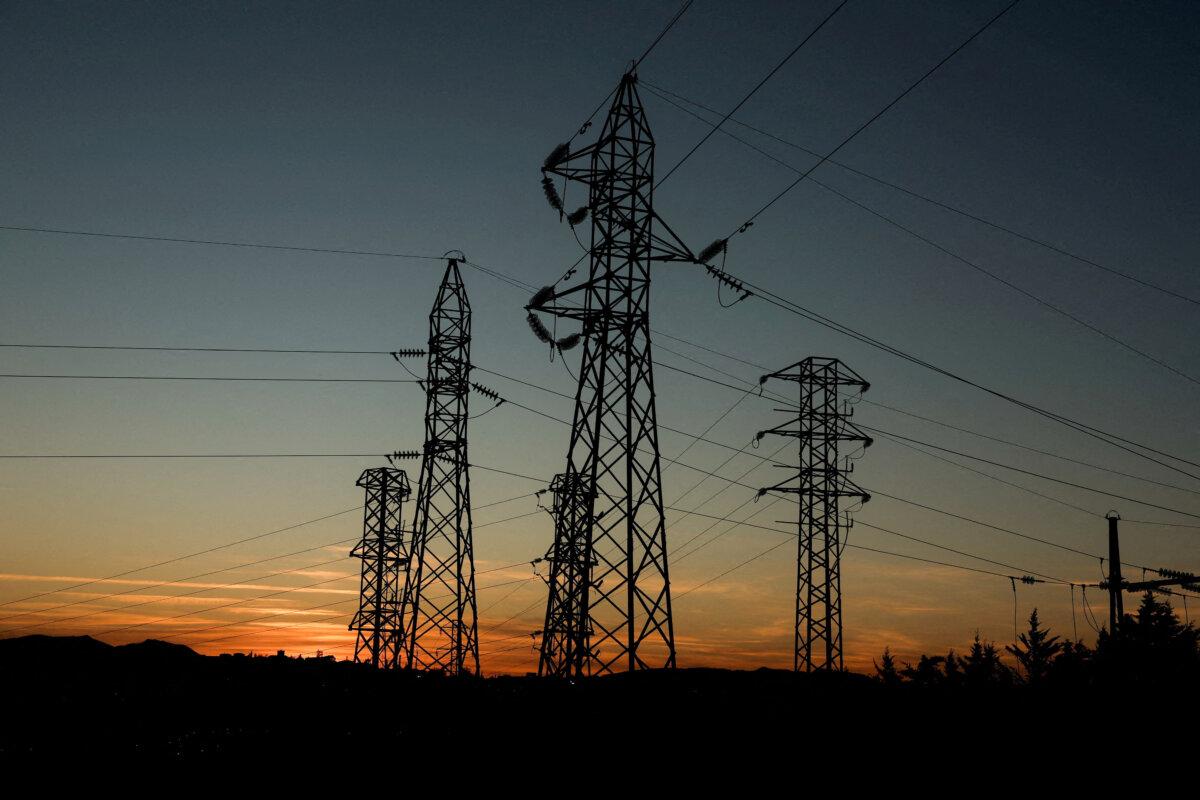
When reviewing the overall economics of solar energy, the costs of grid management and the impact of high penetration levels on the grid are crucial, Wilkinson said. High penetration levels refer to a situation in which the system relies heavily on one or more sources of renewable energy, which are intermittent and more challenging to ensure voltage and frequency stability.
New Solar Installations
Industry group SolarPower Europe expects a slight drop in new solar installations in 2025, the first decline in a decade. In its July statement, the group attributed the slowdown to grid bottlenecks, falling subsidies, and permitting delays.The downturn is driven mainly by a slump in rooftop solar, especially among homeowners.
“In traditionally strong residential rooftop solar markets, like Italy, the Netherlands, Austria, Belgium, Czechia, and Hungary, households are now postponing installations as the impact of the 2022 energy crisis wanes,” SolarPower Europe said.
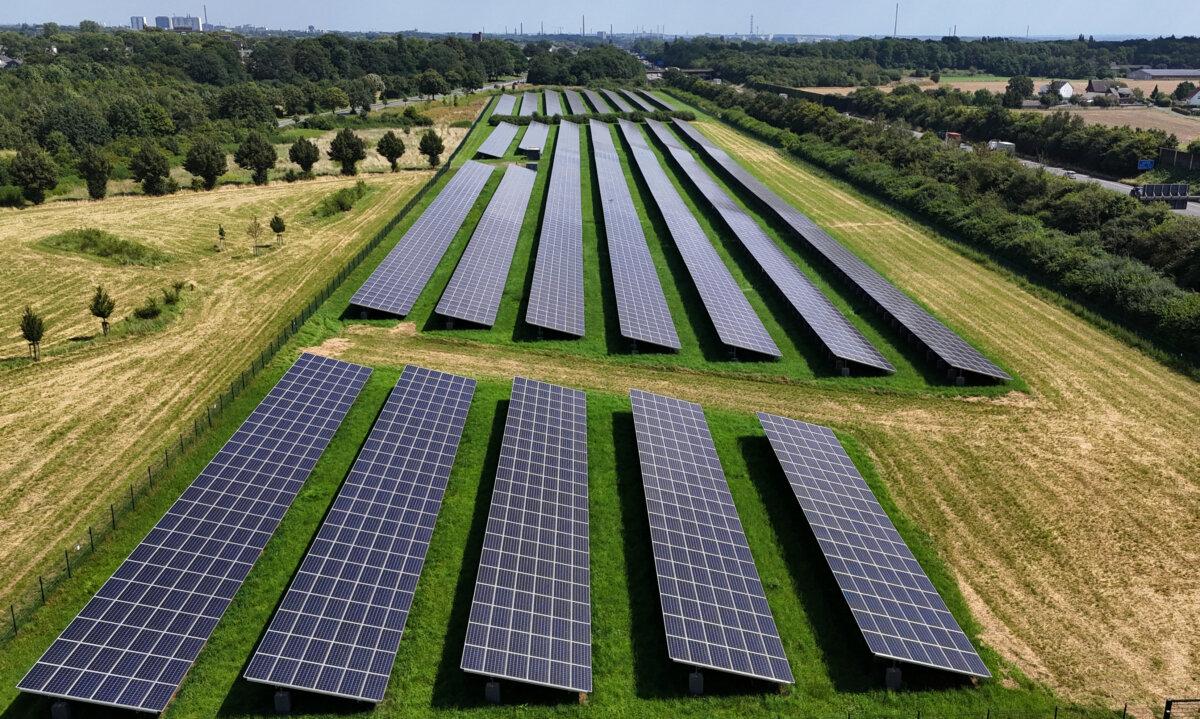
It added that the withdrawal of incentive schemes without adequate replacements has led to a collapse of more than 60 percent in some rooftop markets compared with 2023, while Poland, Spain, and Germany have seen drops of more than 40 percent.