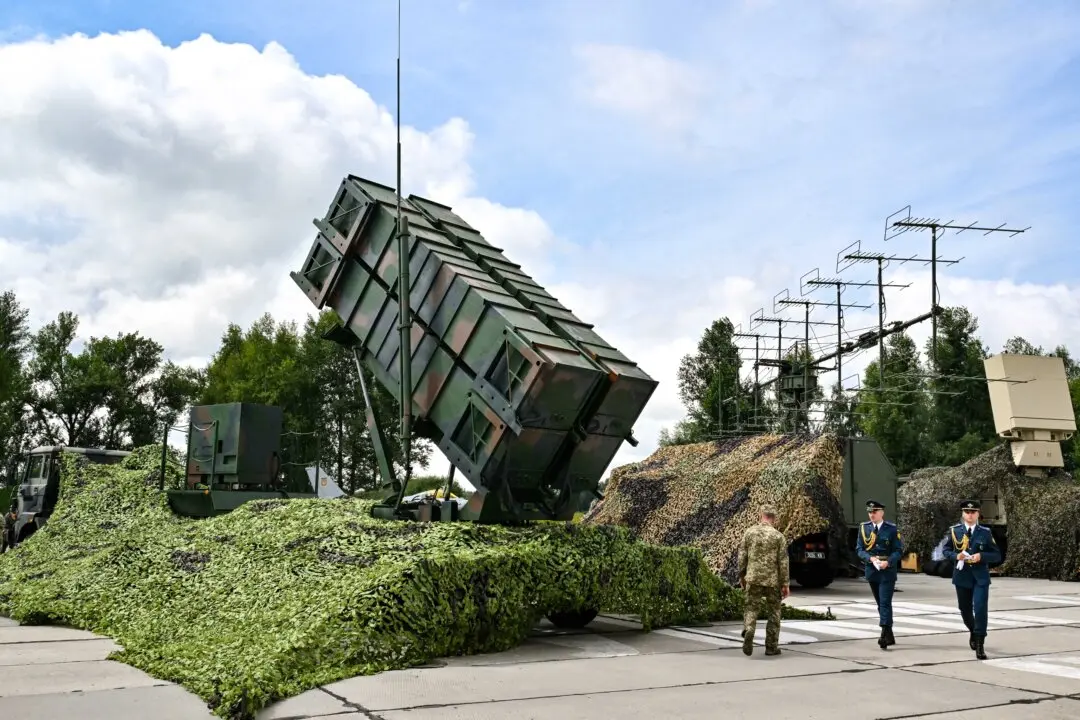
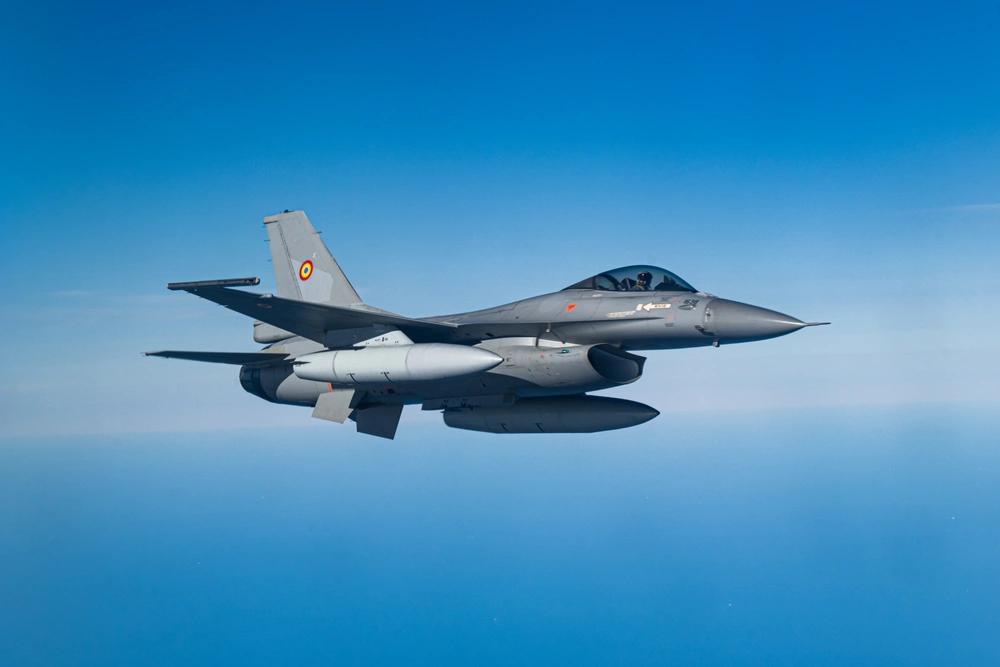
Two airports in Europe were forced to temporarily close because of separate drone and balloon sightings in recent days, the latest disruptive incursions into European airspace in recent months.
Temporary air restrictions were put in place at 6:55 p.m. local time on Nov. 23 because of “navigation markers, typical for balloons,” moving in the direction of Vilnius Airport. The restrictions were lifted at about 12:25 a.m. on Nov. 24.
A little more than an hour later, at 1:40 a.m., temporary airspace restrictions were again imposed over Vilnius Airport because of suspected balloons. The skies reopened at about 3:25 a.m.
Brekelmans said that the Ministry of Defence had taken responsive measures but for security reasons would not provide further details.

Smuggler Balloons
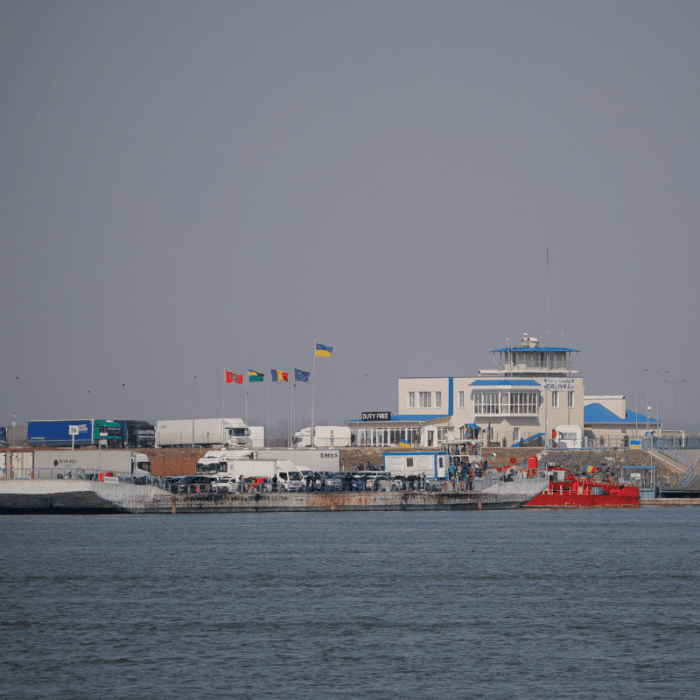
Lithuania in the past had blamed smugglers based in Belarus who use meteorological balloons to transport illicit cigarettes across the border for the previous closures of Vilnius Airport.Last month, Lithuanian Prime Minister Inga Ruginiene suggested that Minsk was not doing enough to stop the criminal activity originating from its country, and on Oct. 27, she closed the border with Belarus.
Belarusian Foreign Minister Maxim Ryzhenkov called the move to shut the border a provocation and suggested that Vilnius should focus its attention on “organized gangs of Lithuanians who use smuggling for profit.”
“These balloons with smuggled cigarettes have been flying there for ages,” Ryzhenkov said. “But, most interestingly, we haven’t received any diplomatic notes.”
Drone Sightings
Protecting NATO airspace has become a major point of focus for European nations in recent months, particularly along the defense alliance’s eastern flank.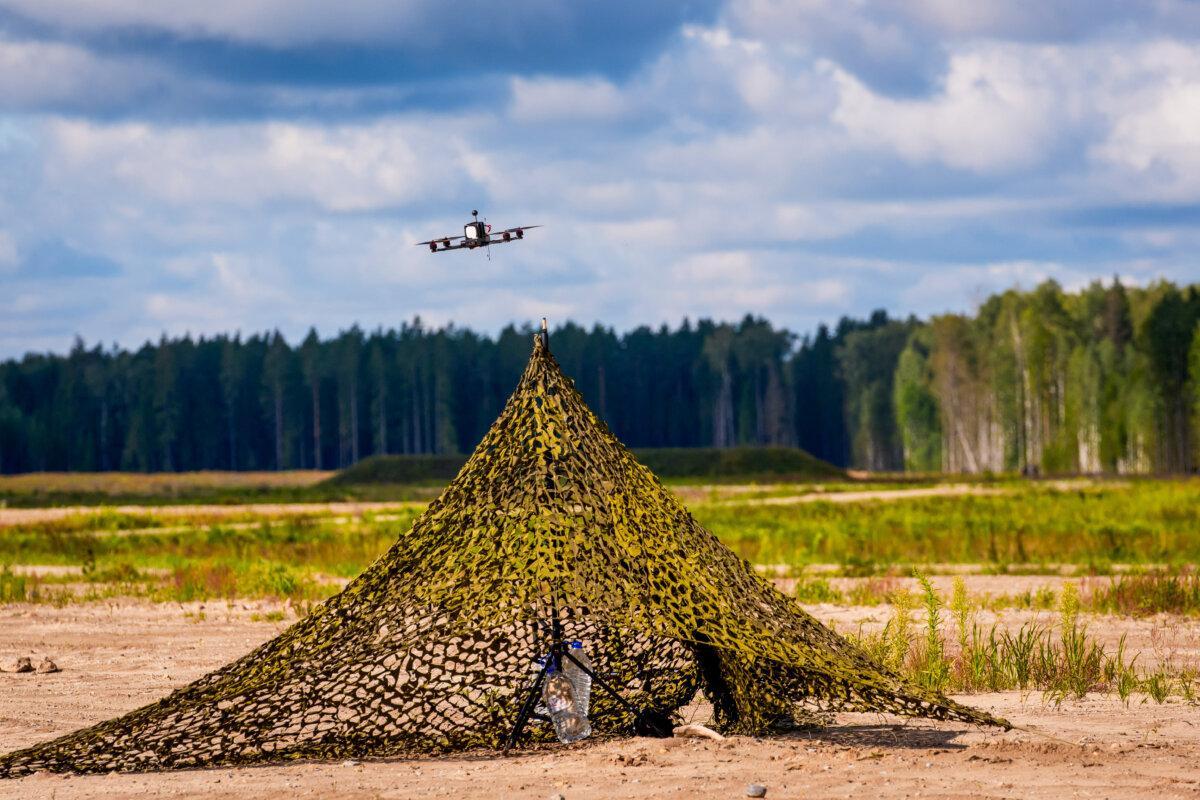
While European officials have blamed some of the incursions on Russia, Moscow has denied connection to the incidents.
European Drone Defense Initiative
On Oct. 16, the European Commission unveiled proposals for four flagship defense projects, including a drone wall and fortification of Europe’s eastern border, as part of measures to boost defense by 2030.The Eastern Flank Watch, another of the proposed defense projects, will “integrate the air defence and counter-drone systems with a set of ground defence systems with maritime security in the Baltic and Black Seas and systems for increased situational awareness, as well as internal security and border management,” the commission said.
If the European Council decides to endorse the proposals, the drone wall could be fully functional by the end of 2027, and the eastern flank defenses would be expected to be functional by the end of 2028.