European Union foreign policy chief Kaja Kallas warned on March 5 that the escalating conflict involving Iran, the United States, and Israel could trigger instability and even civil war inside Iran.
“When we talk to the countries in the region, they are also worried about civil wars inside Iran because of the regime’s leadership and what is going on there,” Kallas said on March 5.
Her remarks came ahead of a video conference between EU foreign ministers and representatives of the Gulf Cooperation Council (GCC) to discuss the situation in Iran and broader tensions in the Middle East.
The warning comes amid a joint U.S.–Israeli military operation that began on Feb. 28 targeting Iranian regime infrastructure and leadership. The campaign follows widespread protests across Iran in late 2025, initially driven by the country’s deteriorating economic conditions and rising inflation.
“Iran is exporting the war, trying to expand it to as many countries as they can, to sow chaos, and we are calling for stability and seeing what we can do together,” Kallas said.
GCC officials also warned about the effects of Iranian attacks on the region ahead of the EU–GCC meeting.
Jasem Mohamed Albudaiwi, GCC secretary-general, said on March 4 that the bloc intended to coordinate with international partners to address the security situation.
At the meeting with EU foreign ministers, the GCC will “condemn the treacherous Iranian attacks that have targeted civilians, infrastructure, and diplomatic premises in the Council states,” he said.
Maritime Security Risks
Kallas said the EU was particularly concerned about the security of maritime trade routes in the Gulf, especially the Strait of Hormuz, one of the world’s most important shipping corridors.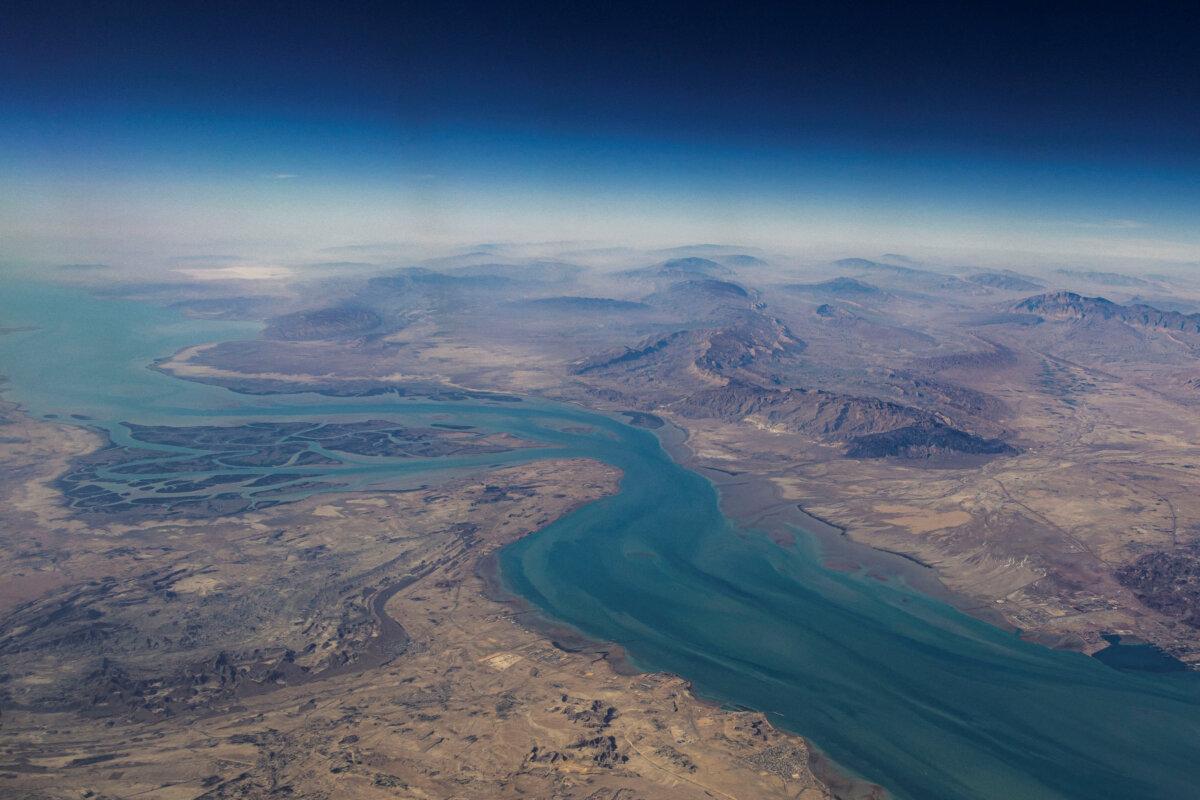
Kallas said the EU had deployed naval assets to the region to help safeguard shipping lanes and maintain freedom of navigation. The bloc was working with regional partners to keep these routes open amid escalating hostilities, she said.
At the same time, Kallas said, the EU is not heavily dependent on energy imports from Gulf states.
Mixed Support
The widening conflict has also exposed divisions among European governments over the role of U.S. military operations conducted from European territory.Some EU countries have allowed the United States to use their military facilities as part of the operation against Iran, while others have resisted.
U.S. President Donald Trump said Germany had supported the military effort.
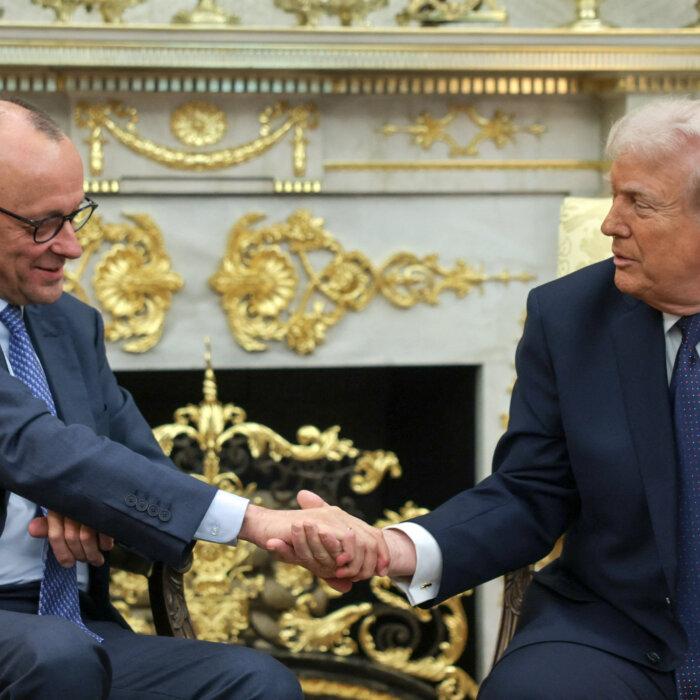
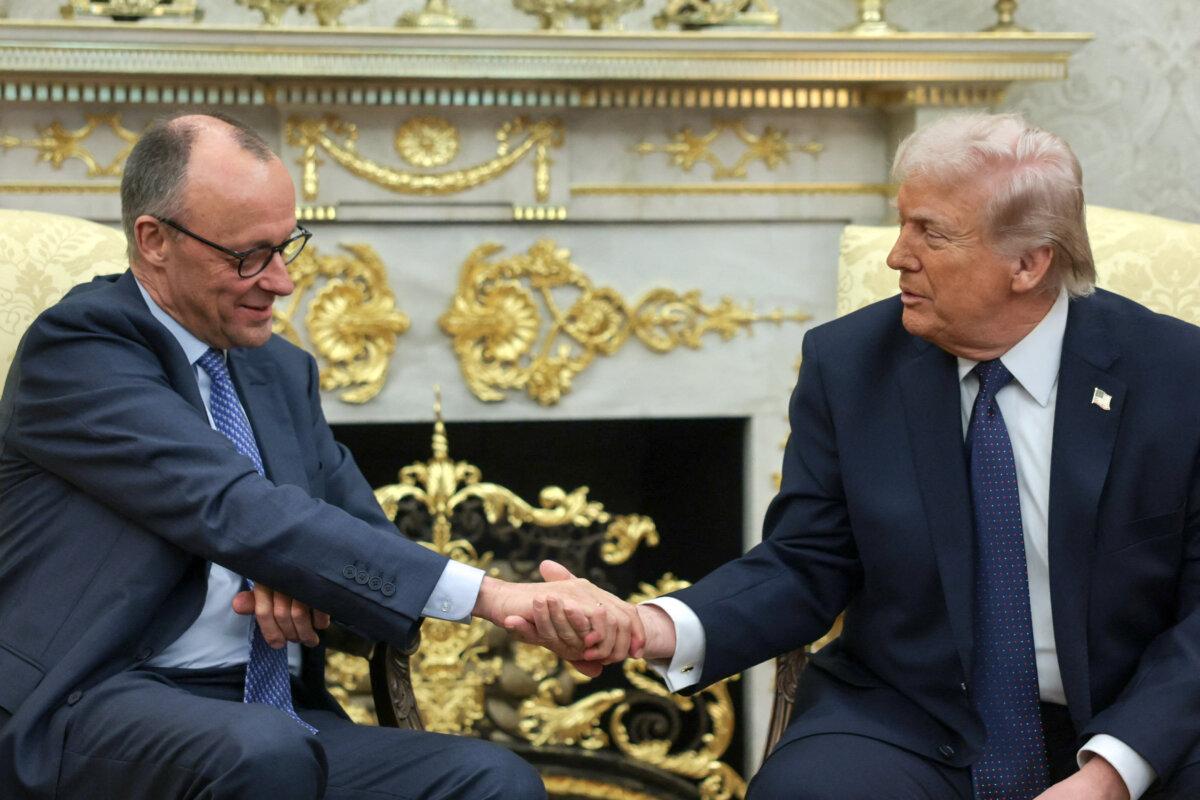
At the White House on March 3, during a meeting with German Chancellor Friedrich Merz, Trump told reporters that Germany had been “helping out” in the U.S. military operation against the Iranian regime.
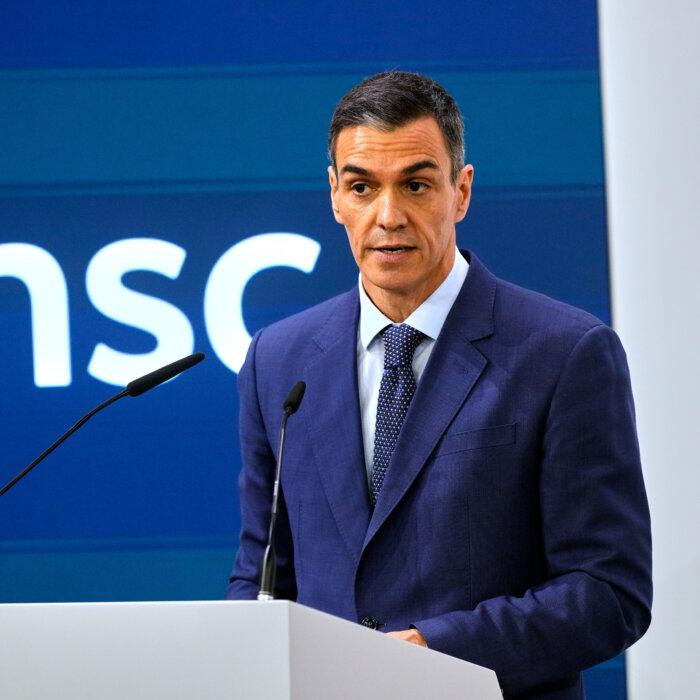
Spain, however, declined to allow its military bases to be used for the campaign.
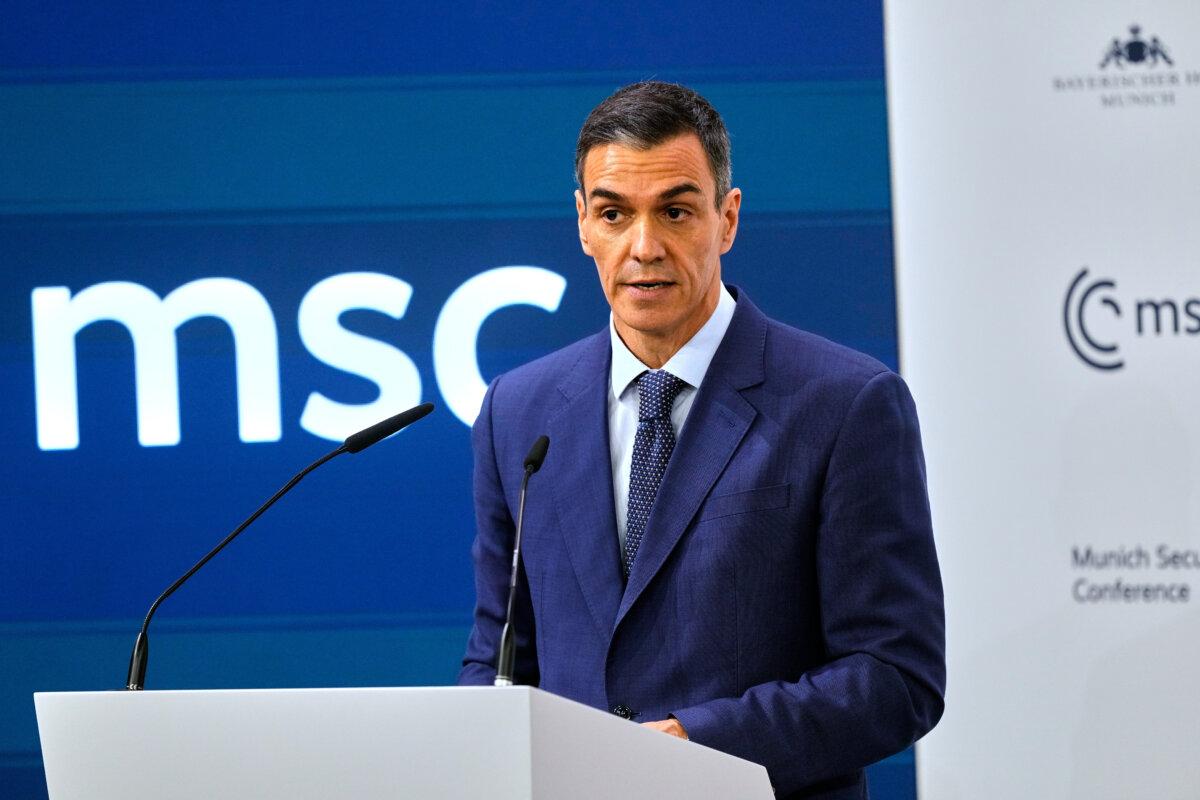
European Council President António Costa said the bloc stood firmly behind Spain following the disagreement.
“The EU will always ensure that the interests of its Member States are fully protected,“ Costa said in a March 4 post on X. ”We reaffirm our firm commitment to the principles of international law and the rules-based order everywhere in the world.”
As tensions intensify across the Middle East, European authorities are also focusing on the safety of EU citizens in the region.
The European Commission said on March 5 that it was working with member states to coordinate evacuation flights from the Middle East.
In a statement, the commission said that as of March 5, 10 EU member states had activated the bloc’s civil protection mechanism to coordinate assistance: Austria, Belgium, Bulgaria, Cyprus, Czechia, France, Italy, Luxembourg, Romania, and Slovakia.