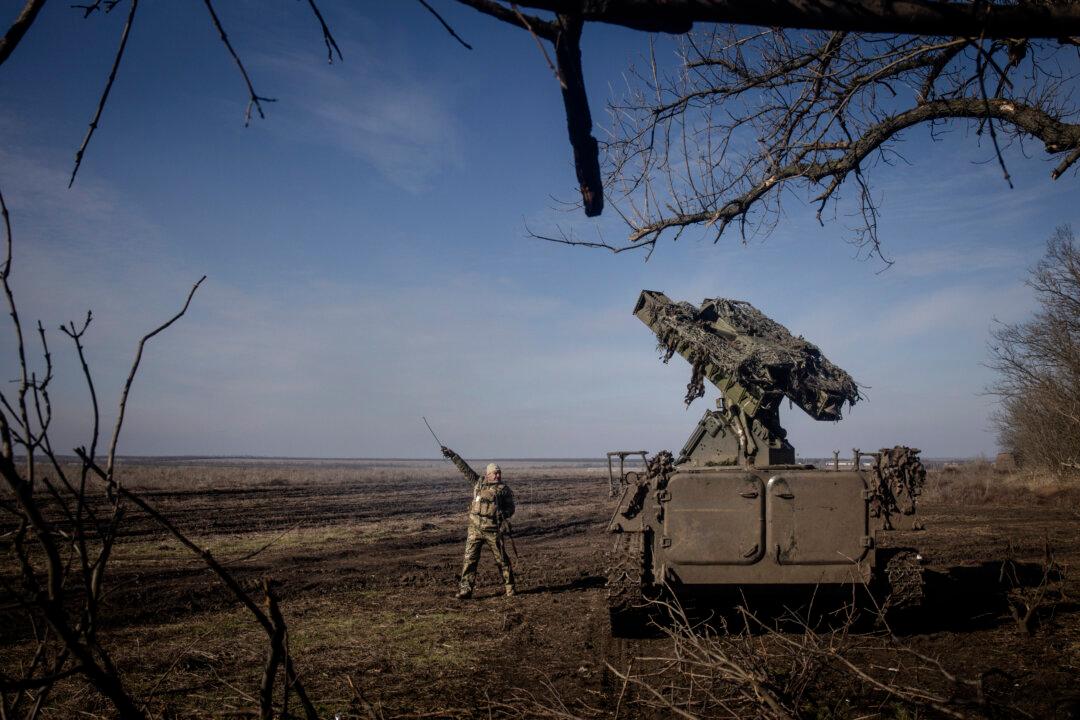
The European Union will use $1.62 billion accumulated from interest on frozen Russian assets to support Ukraine, the union’s executive branch has said.
The European Commission said in an Aug. 4 statement that the funds, transferred to the bloc on Monday, came from the immobilized assets of Russia’s central bank being held by the Central Securities Depositories in the EU.
This was the fifth such transfer of its kind, with the seized assets having generated a total of $9.23 billion in interest.
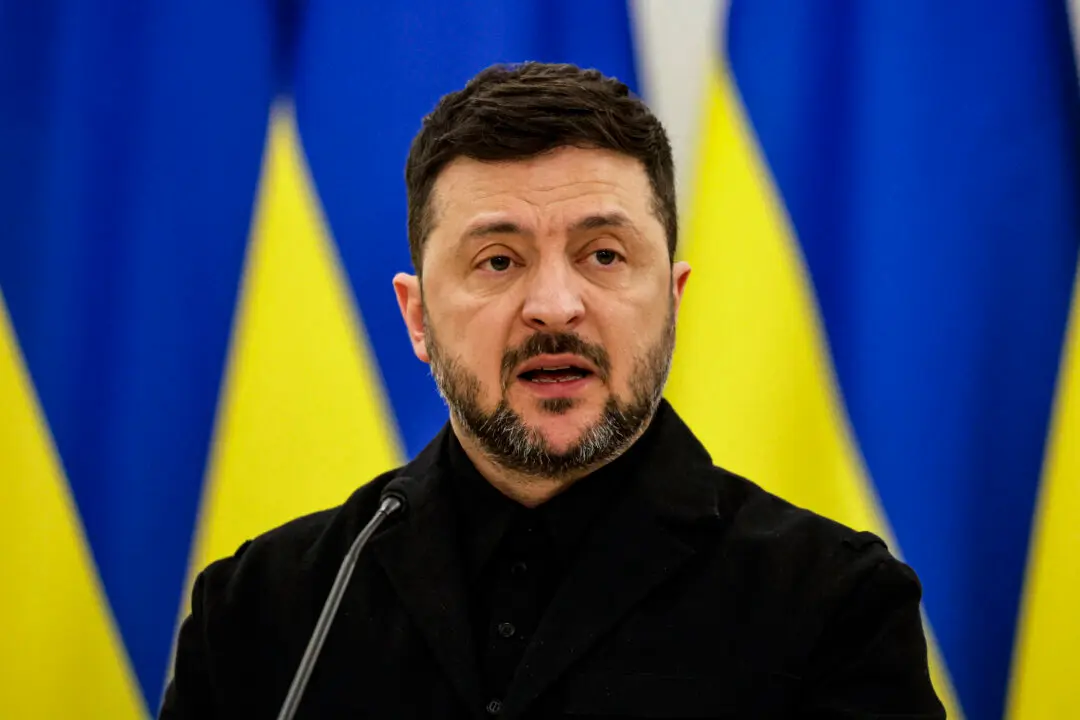
European Commission President Ursula von der Leyen said that Moscow “must pay for the destruction it has caused. And we are using the proceeds from the immobilised Russian assets to make sure it does.”
“We are making a further [$1.62] billion of them available to Ukraine. This will support Ukraine’s continued resistance against Russia’s illegal war,” she said.
The funds are from assets immobilized under EU sanctions, which were imposed in response to Russia’s invasion of Ukraine.
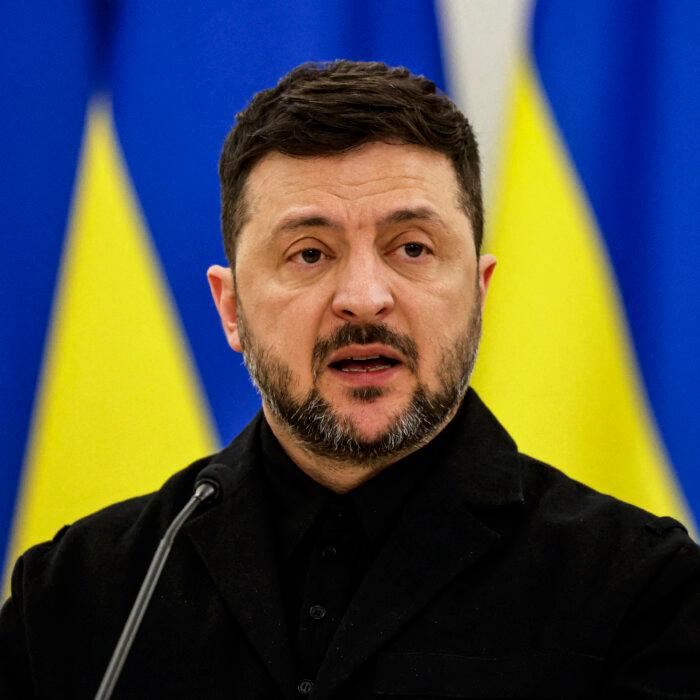
Billions Frozen
The majority of frozen Russian assets are being held by Euroclear, a financial market infrastructure group based in Belgium. Euroclear holds around $213 billion in assets, with another $29 billion held predominantly in France, Germany, Sweden, and Cyprus, according to figures quoted by the European Council in December 2025.
The EU says that while the assets are immobilized, the interest does not belong to Russia, with the European Council deciding the net profits should go to support Ukraine.
Moscow has previously called funds from Russian frozen assets that are given to Ukraine “stolen money.”
Russian Foreign Minister Sergey Lavrov said on June 24: “It is one thing when you are free to dispose of your assets and receive the interest stipulated by the agreement with Euroclear, while everything above that belongs to them. But you are still free to manage your own funds.
“When your assets are frozen and they tell you, ‘You sit tight for now, while we make additional profits here and hand them all over to Ukraine,’ this is a very serious matter from the standpoint of the West’s attempts to convince everyone that the world order they created and that functioned through modern institutions of global governance - the IMF, the World Trade Organization - remains relevant.”
The vast majority of the proceeds—95 percent—will be distributed to the Ukraine Loan Cooperation Mechanism, which provides support to Ukraine in repaying financial assistance loans and loans provided by the G7. The remaining 5 percent provides funding for military and defense needs.
Russian Sanctions
Von der Leyen said on July 23 that the bloc was adding 32 Russian banks to its transaction-ban list, as well as oil trading platforms and cryptocurrency firms.
The package also freezes the oil price cap for one year “so that the Russian war machine does not benefit from market shocks,” she said.
In response, the Russian Permanent Mission said that “European bureaucracy, disregarding the economic costs, continues to pursue its course of escalating confrontation with Russia.”
The July 23 statement said that the restrictions “will further aggravate the already acute social and economic problems in the European Union,” which the mission said was due to the bloc’s decision to drop Russian energy supplies and to continue to spend billions on aid to Ukraine, “all against the backdrop of instability in global energy markets due to the escalation of the conflict in the Middle East.”
“We reaffirm that the hostile unilateral coercive measures of the European Union against our country will be met with an effective and due response from Russia,” the mission said.