The European Union proposed a fresh sanctions framework to combat migrant smuggling, human trafficking, and other forms of organized crime on July 9, which would hit offenders with asset freezes and travel bans.
“Today, we are presenting a new sanctions regime against migrant smugglers and traffickers,” European Commission President Ursula von der Leyen said in a statement.
“We all have a common goal. To drive them out of business. And to save the lives of thousands of people who dream of a better life. We in Europe must be the ones to decide who comes to us and in what circumstances.”
The European Commission, which acts as the bloc’s executive body, said that organized criminals “destabilise societies, undermine the rule of law and democracy, and weaken economic stability and security,” adding that smugglers’ and traffickers’ “illicit activities originating from outside the EU pose a serious threat to the Union’s security and values.”
The commission said that although illegal arrivals had dropped by more than 50 percent over the past two years, “too many people still risk and lose their lives at the hands of smugglers.”
Outlining the plans, which were first suggested by Von der Leyen in her State of the Union address last September, the commission said it was proposing “asset freezes and prohibitions on making funds or other economic resources available to listed persons or entities,” and “travel bans to prevent entry into, or transit through, EU Member States” by such individuals.

The proposal requires unanimous approval by the European Council before it can be implemented and comes amid tough debates concerning migration policy within the EU.
Brussels-based think tank MCC Brussels said in a July 9 post on X that the move was merely an attempt to “patch a crisis” of the commission’s “own making.”
“They are merely treating the symptoms of lawlessness while refusing to secure the borders that protect our public order and civilisational integrity,” the think tank wrote, adding that the EU’s “addiction to sanctions is a replacement for its strategic powerlessness.”
The move comes amid an increasing debate on how to deal with migration within the 27-nation bloc.
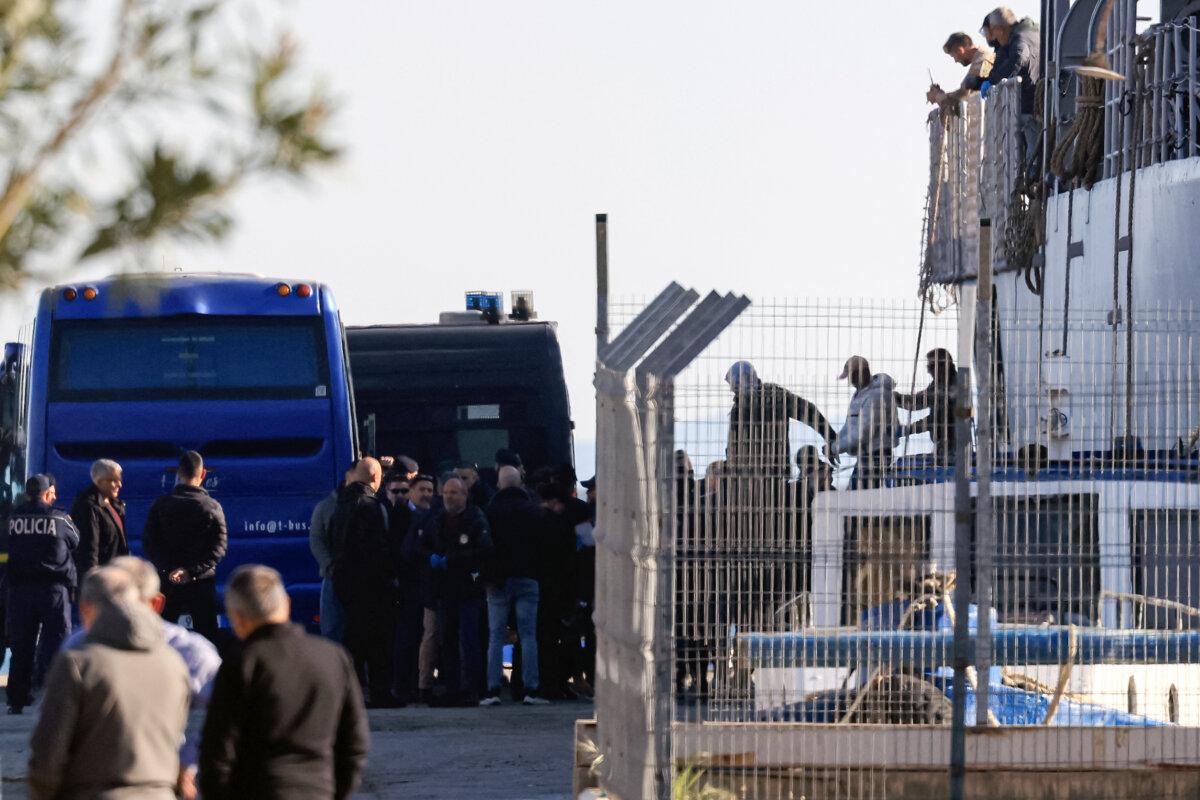
In a June 1 statement, the council said that the new rules impose obligations on third-country nationals who have no right to stay in member states to cooperate with authorities.
It said that they have also put in place tools to enhance cooperation between member states to envisage the establishment of return hubs in countries outside the EU.
Nicholas Ioannides, deputy minister for Migration and International Protection of the Republic of Cyprus, said in a statement on June 2 that the new regulation will “speed up the return process and increase returns of persons who have no legal right to stay in the EU.”
It introduces a European return order, a form that member states must complete, including the key elements of the return decision.
In a June 2 post on X, Tomas Tobé, vice chair of the European People’s Party Group (EPP), said that “over 70 percent of people with rejected asylum applications do not return.”
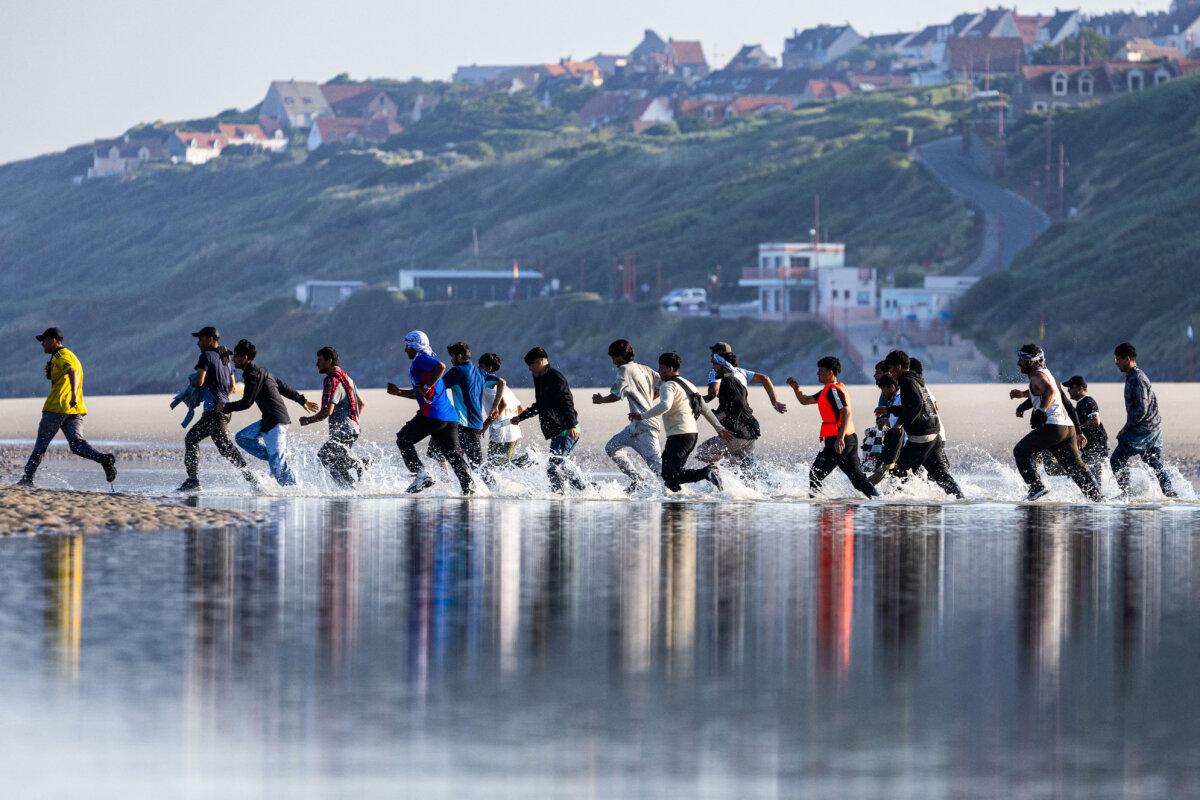
European Parliament lawmaker François-Xavier Bellamy, the EPP negotiator on the deal, said in a June 2 post on X that four out of five non-EU nationals who have received a formal return decision from a member state do not leave.
“That is not a functioning system,” Bellamy said.
The left-wing Socialists and Democrats Group in the European Parliament said the deal was controversial.
It said that the agreement “tramples fundamental rights and takes migration policy backwards,” in a June 2 post on X.
It claimed that the process allows for “legally dubious Return Hubs,” reduced voluntary return incentives, and “ICE-style deportation raids.”
The informal deal was approved by the European Parliament in a vote on June 17, but is still awaiting formal approval from the council.
EU figures show return orders are often not enforced.
In the fourth quarter of 2025, 117,545 third-country nationals were ordered to leave an EU country, while 33,860 were returned to third countries.
More than 1 million migrants entered the continent in 2015, amid wars in Syria and Iraq, according to estimates by the U.N. Refugee Agency.
Immigrants from seven countries are currently unlikely to be granted asylum in Europe, the European Commission said on April 16.
It said that Bangladesh, Colombia, Morocco, Tunisia, Egypt, India, and Kosovo should be designated as “safe third countries.”