“To save our European steel plants and jobs: we reduce by half the quota of steel imported from abroad, we double the customs duties (from 25 [percent] to 50 [percent]),” he said. “This is the new safeguard clause on steel. This is the reindustrialization of Europe.”
The proposal would lower tariff-free import volumes to 18.3 million metric tons per year, about 47 percent less than in 2024. It would also raise the penalty on imports above that level to 50 percent and introduce stricter traceability rules, requiring proof of origin to prevent circumvention.
The EU plan comes just months after U.S. President Donald Trump raised duties on steel and aluminum imports to 50 percent, effective June 4.
Von der Leyen Calls for Quick Approval
European Commission President Ursula von der Leyen said the bloc must act swiftly to defend an industry that is central to Europe’s economy and security.“A strong, decarbonised steel sector is vital for the European Union’s competitiveness, economic security and strategic autonomy,” she said. “Global overcapacity is damaging our industry. We need to act now—I urge the Council and Parliament to move ahead quickly.”
The proposed measure, which still requires approval from EU governments and lawmakers, would replace the bloc’s existing safeguard regime set to expire in June 2026. The commission said it had consulted industry and stakeholders over the summer and found broad support for tougher restrictions.
Industry Under Pressure
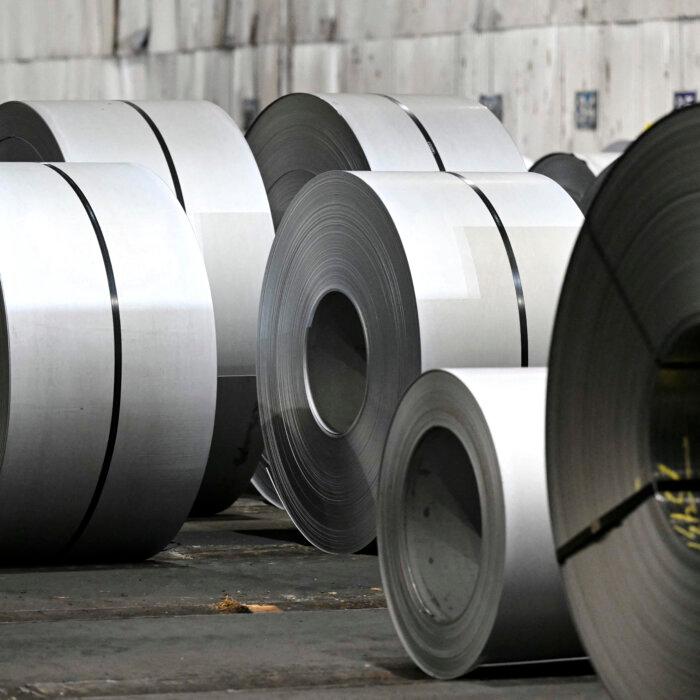
Steel is a cornerstone of the EU economy, used in construction, automotive, and defense industries.The bloc is the world’s third-largest producer, employing about 300,000 people directly and supporting an estimated 2.5 million jobs indirectly.
But production has struggled under pressure from global competition, high energy costs, and lower demand. Since 2007, the EU steel industry has lost some 65 million tons of capacity and shed between 90,000 and 100,000 jobs, according to commission figures. Capacity utilization fell to 67 percent in 2024, well below the 80 percent considered healthy, and the sector posted record losses.
He added that “one third of European steel demand is supplied by below-cost, high-carbon intensity imports.”
The EU has said it hopes its new measures will stabilize the sector and give companies space to invest in decarbonisation technologies needed for the bloc’s green transition.
The commission also pledged to continue talks at the World Trade Organization and with the Global Forum on Steel Excess Capacity to address what it called the “root causes” of oversupply.
“Steel overcapacity is a global problem that requires strong, genuine and joint action by all partners,” the commission said in a statement.