The European Union has agreed on new safeguards to prevent sharp increases in fuel and heating costs when the bloc launches a new carbon-pricing system in 2028.
The agreement would allow regulators to release additional pollution permits into the market if carbon prices rise too quickly, a move that officials say should help limit price swings while preserving the bloc’s climate goals.
The deal, reached on June 11, strengthens a price-control mechanism in the EU’s new carbon market, which will apply to fuels used in buildings and road transport.
Under the agreement, the EU can release additional pollution permits into the market if carbon prices rise above 45 euros (in 2020 prices) per metric ton ($51.90 per 2,204.6 pounds) of carbon dioxide.
Officials say that increasing the supply of permits should help prevent sudden price spikes.
The agreement doubles the number of permits that can be released, to 40 million from 20 million. The mechanism can be used twice a year, allowing up to 80 million additional permits to enter the market annually if prices remain elevated.
The deal also keeps the EU’s price-control mechanism in place beyond 2030, giving regulators a tool to respond if carbon costs rise sharply in the years ahead.
Cypriot Agriculture Minister Maria Panayiotou said the changes would provide households, businesses, and governments with greater predictability as Europe transitions toward lower-emission energy sources.
What the New Carbon Market Means
Panayiotou also said the agreement will support a “smooth and stable launch of ETS2,” the EU’s new emissions trading system for buildings, road transport, and other sectors.It is separate from the bloc’s existing carbon market, which covers power plants and large industrial facilities.
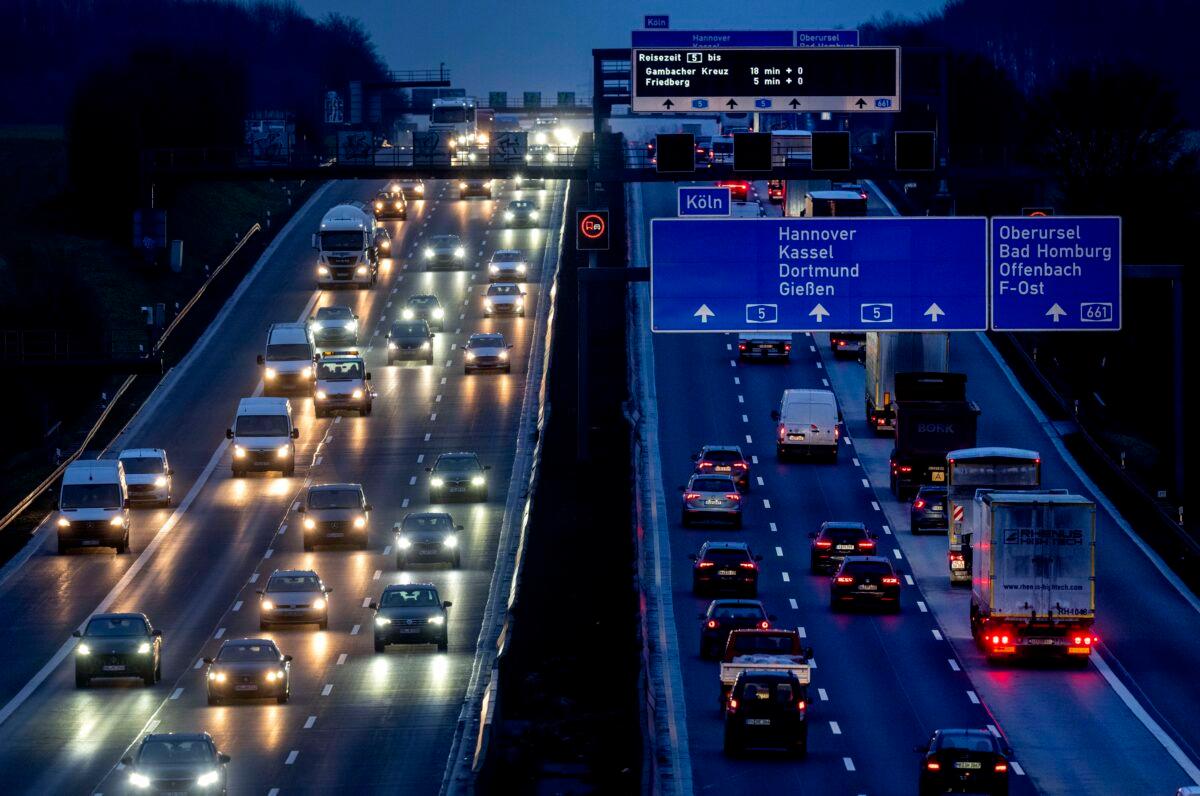
The program will apply to fuels used in road transport, home heating, and certain smaller industries.
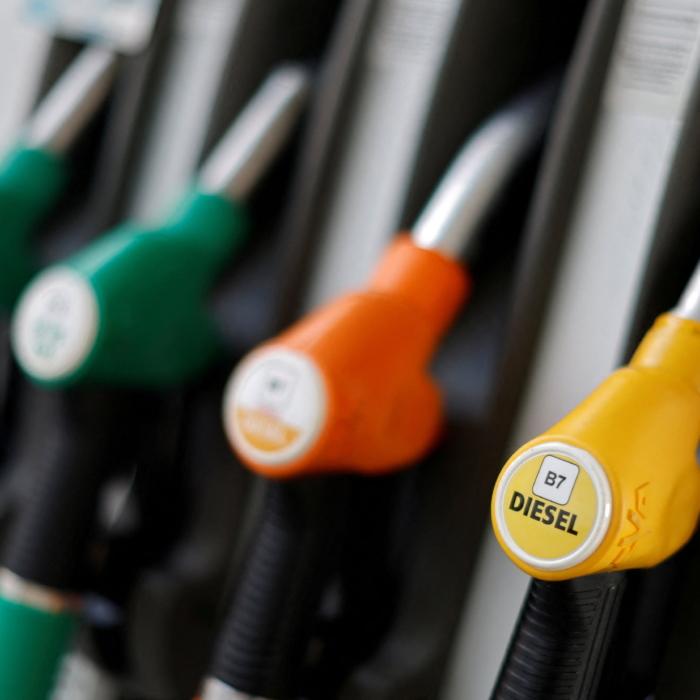
Companies that sell gasoline, diesel, heating oil, and natural gas will be required to buy permits covering the emissions produced when those fuels are used.
The cost will not be charged directly to households by the EU.
The changes come after months of pressure from several EU governments worried that the new carbon market could increase gasoline and heating costs for households.
Czech Prime Minister Andrej Babis on Feb. 2 said the EU should overhaul its carbon-trading systems and cap permit prices to reduce energy costs and protect industrial competitiveness.

Slovakia also backed efforts to delay or modify the scheme, while France joined other member states in calling for stronger safeguards against sharp price increases.
The European Commission has said the system is designed to encourage investment in cleaner transportation, energy-efficient buildings, and lower-emission heating systems.
The market will become fully operational in 2028.
The European Commission said all permits in the new system will be sold through auctions. Member states will be required to use revenue from those sales for climate-related investments and social support programs.
The provisional agreement must still receive formal approval from both the European Parliament and EU member states.
That step is generally considered procedural because negotiators have already agreed on the substance of the proposal.
If approved, the revised safeguards will be in place before the new carbon market begins operating in 2028, giving regulators additional tools to prevent sharp increases in carbon prices while the EU pursues its climate targets.